Premier League's return to chaos: goals galore, long-range bombs and the death of set-piece strikes
Goals are up, balance is gone, and the Premier League is having its wildest start in years
Premier League football is getting messy again — and the numbers say the chaos is real. Goals are up, shots from distance are flooding in, counterattacks are back in vogue and even the set-piece era is showing cracks. The 2026-27 season is shaping up to be one of the most open and unpredictable campaigns the division has seen.
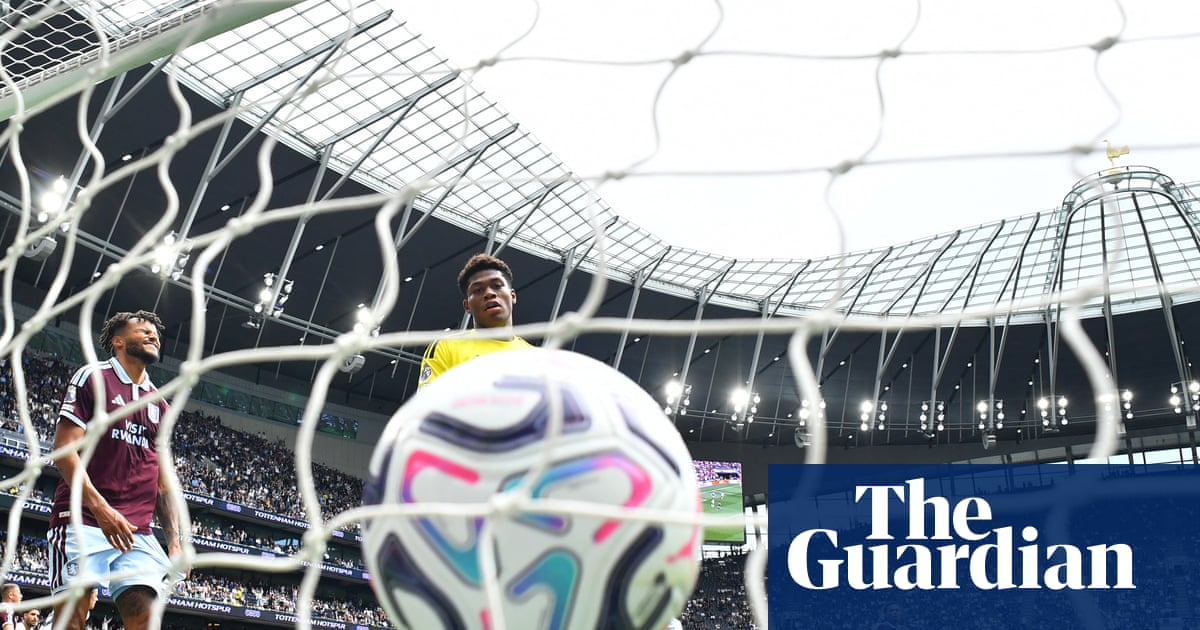
According to analysis by Andrew Beasley, the goals-per-game average has risen from 2.75 last season to 2.82 so far this term. That may look like a marginal uptick, but history suggests it could balloon: in four of the past five seasons, the goals-per-game rate across the final 330 matches was at least 0.21 higher than it was across the opening 50. If 2026-27 follows a similar trajectory, it will become the second-highest scoring season in Premier League history.
Why aren't goals harder to score in September?
The timing makes the trend all the more striking. Goals should be harder to come by at this point of the season, when teams are fresher, better organised and less ragged — before the December fixture pile-up or the demands of European football drain their legs. Instead, every team is averaging more distance covered per match than they did in 2025-26, with bottom-placed Liverpool in that metric still ahead of any club's full-season figure from last term.
The running is compounding: more of the football is being played in transition. Last season the Premier League averaged the fewest Opta-defined fast-break (counterattack) shots of Europe's big five leagues at 1.75 per game. That number has jumped to 2.08 — a rate that would have ranked second only to the Bundesliga (2.26) last year.
German influence appears to be creeping into England. While the uplift is not entirely down to Xabi Alonso and Marco Rose joining the league, Chelsea (2.2 fast-break shots per game) and Bournemouth (1.6) rank among the top five for the metric, with Matthias Jaissle's Newcastle joint-seventh (1.0).
Long-range thunderbolts replace tiki-taka tap-ins
The wilder feel is underlined by an increase in shots and goals from outside the penalty box. Brighton are the extreme example, already just two goals shy of their entire total of six long-range strikes from last season after forging a 2-0 lead against Arsenal on Saturday with goals from distance. Ahead of that, Lewis Dunk nominated himself for goal of the season with a strike from way outside the box at Coventry, with Yasin Ayari also scoring from beyond the 18-yard line in the same match.
Something had to give to make room for all that long-range artillery, and it has come at close quarters. Goals from inside the six-yard box have declined, a dip largely attributed to falling set-piece strikes. Nine teams — including the champions — have yet to score from a set play, with another two clubs managing just one apiece. The Premier League is taking more shots from set pieces than last season (8.2 per game versus 7.8), yet the expected-goal tally from them has dropped from 0.76 to 0.72 xG.
Swinging scorelines, stalemates and new managers
Small margins, perhaps, but they combine to reduce the average quality of chances being produced. Set-piece goals falling from 0.71 per game to 0.56 is the inevitable by-product — a development unlikely to upset anyone other than Arsenal supporters.
With the season still young, these trends may settle. They could be the product of a record number of new managers starting the campaign — transition in the dugout breeds uncertainty on the pitch. Very few games are settled early: 2-2 is the joint-most common scoreline with six instances, and the first three of those came between clubs whose managers were both appointed in the summer. Five of the six saw either both teams lead or one side go ahead twice before conceding two equalisers.
Big leads being squandered is not yet a theme, but draws are on the rise while wins by two or more goals are in decline. Teams are slugging it out, back and forth. You attack, we counter, and everyone runs further as a result. So much is up in the air, up for grabs. The wind could blow these trends back towards last season's figures soon enough — but fans will hope the increased goal rate remains.