Wales’ Euro 2016 fairytale turned belief into a footballing force
The summer Welsh football changed forever
When Wales travelled to France for Euro 2016, expectation was modest. The country had waited 58 years to see its team at a major tournament, and generations of supporters had been shaped by painful near misses and disappointing failures. For many, simply hearing the Welsh anthem at a finals was achievement enough.
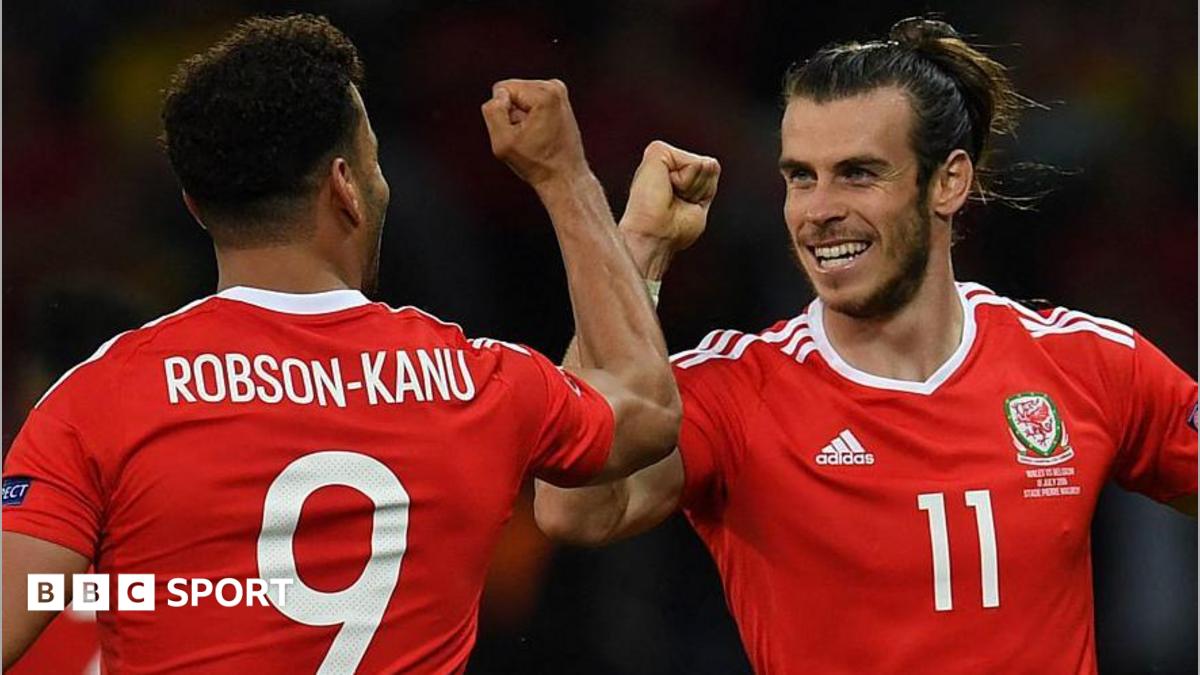
In Bordeaux, tens of thousands of supporters created an atmosphere that felt more like Cardiff than France. Comedian Elis James recalled that fans were saying the anthem was guaranteed to be a highlight, even if Wales lost heavily. Instead, Gareth Bale’s trademark free-kick put Wales ahead against Slovakia before Hal Robson-Kanu came off the bench to score a late winner.
“Euro 2016 was a turning point for Welsh football,” said Ben Davies, who made a crucial goalline block in the opening match. The result did more than secure three points: it made a major tournament feel like a place where Wales belonged.
From cautious optimism to fearless football
A narrow defeat by England briefly interrupted the momentum, but Wales responded emphatically against Russia in Toulouse. Aaron Ramsey opened the scoring with a delicate finish before Neil Taylor added a second, his first goal since his non-league days with Wrexham. Bale then completed a 3-0 victory that sent Wales into the knockout stages as group winners.
“We completely dominated them,” said Joe Ledley, who controlled the midfield alongside Joe Allen. Ledley’s celebratory dancing in front of the travelling supporters became one of the tournament’s enduring images, matching the joy of a team that was no longer playing simply to avoid embarrassment.
Wales then edged past Northern Ireland in the last 16 when Gareth McAuley turned Bale’s cross into his own net. That set up a quarter-final against Belgium, the world’s top-ranked team at the time, featuring Kevin De Bruyne, Romelu Lukaku and Eden Hazard.
Robson-Kanu’s unforgettable turn
Belgium struck first through Radja Nainggolan, but Wales refused to retreat. Captain Ashley Williams headed an equaliser, and nine minutes into the second half Aaron Ramsey’s long pass found Hal Robson-Kanu in the penalty area.
Robson-Kanu later described the moment as an out-of-body experience. With defenders closing in, he used a Cruyff turn to evade three Belgian players before finishing beyond Thibaut Courtois. Sam Vokes headed in a third to complete a stunning 3-1 victory and send Wales into their first major-tournament semi-final.
For the supporters, the run was about more than results. The bucket hats, the “Don’t Take Me Home” chant and the Red Wall’s joyous presence became defining features of the tournament. UEFA recognised the fans with an outstanding-contribution award.
Wales ultimately arrived in France hoping merely to enjoy an experience that might never come again. They left having defeated old fears, reached heights no Welsh side had managed since 1958 and changed the national football mindset. As Ben Davies put it, the tournament gave Wales “a belief that it was possible.”