Leeds pioneered football’s replica-kit boom with 1973 Admiral deal
Replica football shirts are now a defining part of matchday culture, but the tradition took hold far later than many fans might expect. Research into crowd photographs suggests supporters rarely wore shirts resembling those of the players before the mid-1970s.
Why Leeds are seen as the starting point
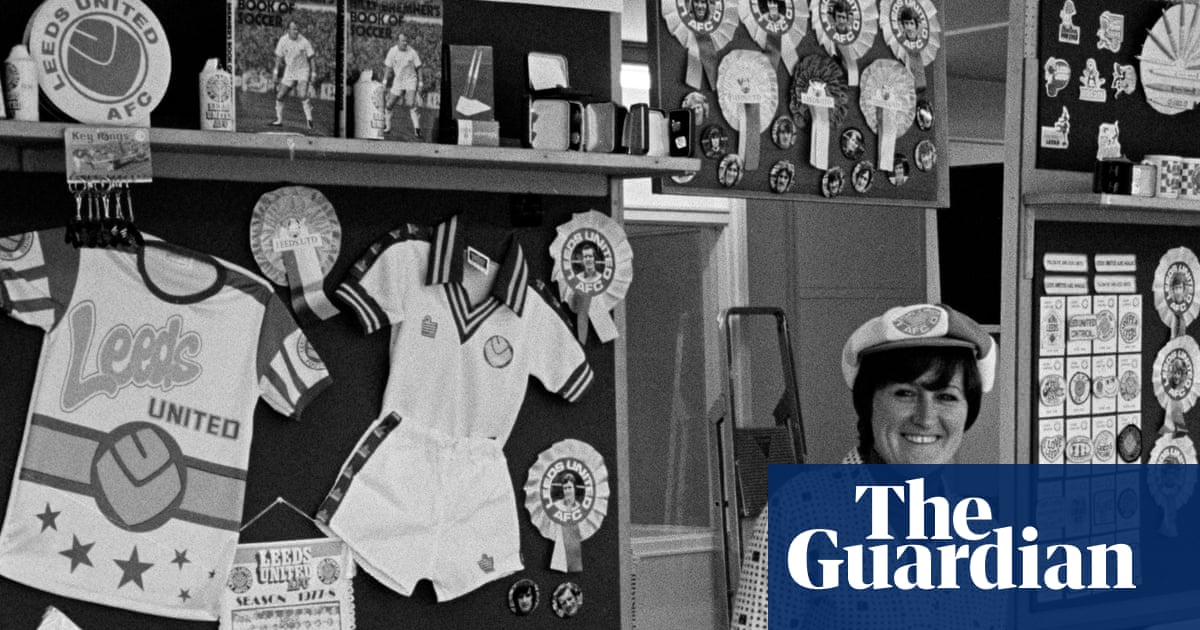
The strongest claim for the first official, adult replica-kit agreement—or at least the earliest club-backed scheme close to that definition—belongs to Leeds United in 1973. Admiral agreed to pay Leeds £7,000 for a redesigned playing strip carrying the manufacturer’s visible logo. The arrangement also gave Admiral the rights to produce complete replica kits for children, which sold for about £5.
The first range was initially limited to children’s sizes, so the historical label needs some qualification. Nevertheless, the deal established the commercial model that would soon transform how clubs, kit manufacturers and supporters interacted.
“A handshake sealed what would become one of the most influential deals in football history,” Admiral said in an account of the agreement.
Leeds manager Don Revie reportedly protected the club’s famous all-white home strip, inspired by Real Madrid, but allowed the away kit and training wear to be redesigned. Admiral’s resulting away shirt was a vivid yellow design with blue and white taping down the sleeves, paired with the club’s “smiley” crest.
From unofficial youth sets to club-shop merchandise
The market had existed in less formal ways before the Leeds agreement. Umbrosets aimed at children appeared as early as 1959, with Manchester United among the teams featured. The products were not always officially licensed by the clubs, although managers, players and club shops sometimes helped promote them.
By 1964, Denis Law had replaced Matt Busby on some Umbroset packaging and appeared to endorse kits associated with Manchester United, Scotland and several other teams. Manchester City was among the clubs reported to have stocked replica products and advertised them in match programmes, but the relationship between clubs and manufacturers remained inconsistent.
British copyright law may also have slowed the development of the market. Before the 1968 Design Copyright Act, kit designs could be reproduced in a relatively uncontrolled fashion. The legislation made it easier for a single manufacturer to protect a registered design and helped create a clearer commercial basis for licensed replicas.
Supporters began wearing replicas in the 1970s
Academic research examining crowd images from the 1960s found no clear evidence of adults or children regularly wearing replica shirts. The earliest identifiable examples appear in the mid-1970s, particularly among male supporters at major cup finals.
Small groups of Newcastle fans wore unbranded replica shirts at the 1974 FA Cup final. Admiral teamwear was visible among adult Manchester United supporters at the 1979 final, while Liverpool fans wore replicas at the 1977 and 1978 European Cup finals. Scotland supporters also appeared in replica shirts during the celebrations before the 1977 England v Scotland international.
A rapid spread across British football
Leeds’ success helped push the model into the mainstream. By the 1977-78 season, 84 of the 92 clubs in the English Football League had a prominent kit manufacturer’s logo and replica kits for children. Scotland was developing its own market, with Umbro selling Rangers and Celtic products and Adidas supplying replica shirts for Aberdeen and Dundee United.
Continental Europe followed different paths. Adidas dominated Bundesliga kit supply but did not necessarily sell a separate replica shirt for every club. Supporters could buy plain shirts in club colours and sew on the badge themselves. Adults were often expected to show their allegiance by buying the tracksuits worn by players during warm-ups.
The first widely cited adult replica shirt in the account is Admiral’s England shirt from the 1982 World Cup, underlining how the adult market emerged after children’s products had already established the concept.
The market was still primitive in 1979
The slow adoption by some clubs is illustrated by a supporter’s experience with Reading. In autumn 1979, ordering a shirt worn by the team required a local sports shop to place a one-off order with manufacturer Bukta. The shirt did not arrive until the following June, after the season had ended.
That story captures the transition underway: replica shirts had become desirable to supporters, but many clubs had yet to build the reliable retail and licensing systems that are taken for granted today.
There may have been earlier official examples outside Britain, or earlier club-backed products that have not yet been identified. But on the available evidence, Leeds and Admiral’s 1973 agreement remains the clearest landmark in the birth of the modern replica-kit culture.