Shubman Gill's 223* fires India to second-biggest ODI chase ever, but 811-run Guwahati run-fest sparks 'extremely boring' outcry
Eight hundred and eleven runs in 93.3 overs. On a ridiculous day of batting at Guwahati's Barsapara Stadium, the second ODI between India and West Indies became a run-fest in which the bowlers were reduced to mute spectators, on a surface that Ravi Shastri, on commentary, described as a "national highway".
West Indies piled up 405 batting first, with three centurions of their own, only for India to go one better: a successful chase of 406 — the second-biggest target ever successfully hunted down in one-day international history, as first reported by Cricbuzz. Once, a match like this would have been celebrated as a historic event. Now it is just another game of cricket, one that leaves the audience weary rather than thrilled.
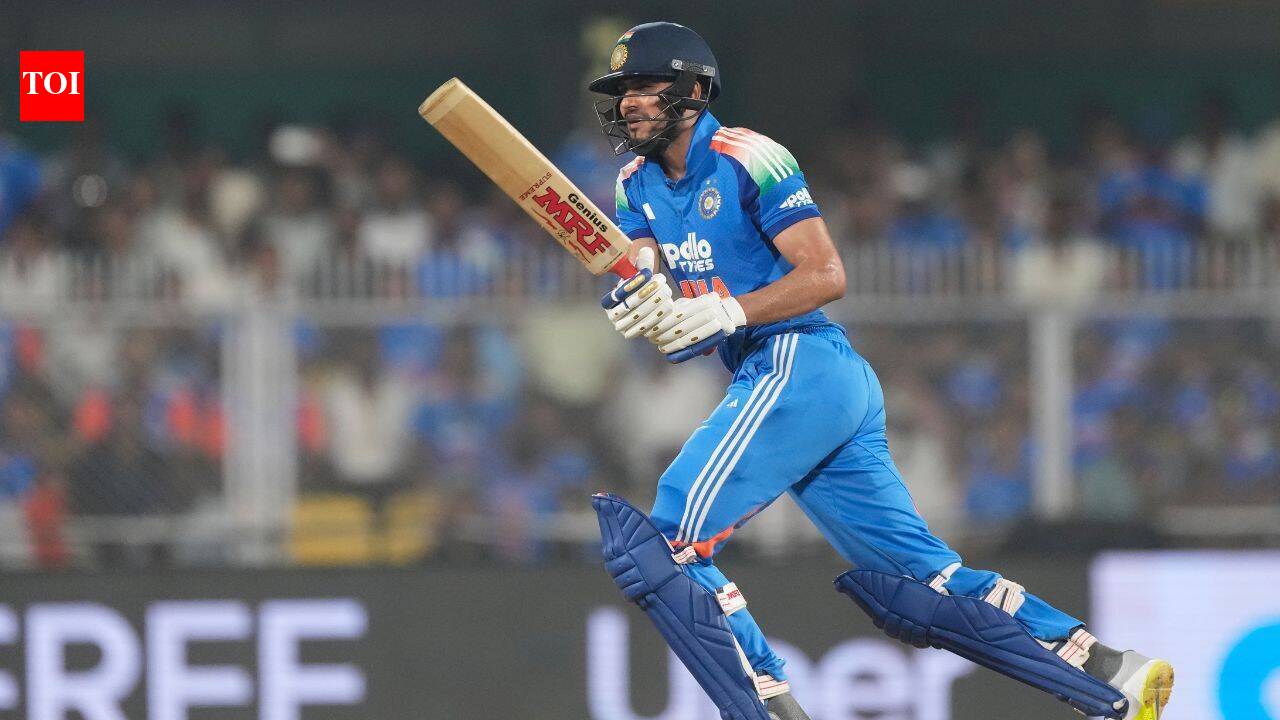
India captain Shubman Gill was sublime. His unbeaten 223 — a second double hundred in the format — bore the hallmarks of his talent: impeccable timing, exquisite placement and a voracious appetite for runs. Rohit Sharma, meanwhile, was easy on the eye in making 101. These batters needed adversaries, and they found none — not from the bowlers, nor from the pitch.
Records left in the dust
The day did not merely rewrite the Barsapara record books; it incinerated them. Venue statistics published on 24 September — when the ACA Stadium was confirmed as host of the West Indies ODIs and a Border-Gavaskar Test on India's packed 2026-27 home calendar — listed India's 373/7 against Sri Lanka on 10 January 2023 as the highest innings at the ground, with an average innings score of 331. Virat Kohli remained the venue's most prolific batter with 253 runs, and Yuzvendra Chahal its most successful bowler with four wickets — numbers that now look like relics of a more modest era.
The most iconic individual performance in the stadium's short but vivid history came on 21 October 2018, when Rohit Sharma blazed an unbeaten 152 against West Indies. Gill's 223 not out has now left that knock far behind — fittingly, against the same opposition.
"Extremely boring game yaar"
Not everyone was celebrating. Madan Lal, the former India medium-pacer and member of the 1983 World Cup-winning squad, did not mince his words.
"Extremely boring game yaar. Over 800 runs scored on a paata wicket and there was absolutely nothing in it for the bowlers. Give the bowlers something to play with. Where is the contest between bat and ball?"
Lal reckons an ideal ODI should finish around 280 per side — the kind of game that offers a genuine contest, and the one spectators want to watch. For that to happen, he says, curators must put some life into these insipid wickets. "I don't think that will happen," he laments.
Coaches plead for balance
The alarm extended well beyond the stands. Cricbuzz's post-match report quoted India head coach Gautam Gambhir declaring "it's not cricket, it's batting" after the record chase, while coaches Sitanshu Kotak and Ravi Rampaul voiced sympathy for the bowlers on flat pitches and called for more balanced surfaces.
The T20 shadow over the 50-over game
Former Delhi pacer Sanjiv Sharma traces the trend to the proliferation of T20 internationals and expects more teams to chase down 400-plus scores in ODIs going forward. "In T20Is, we see teams chase down 200-plus scores. Batters are carrying that confidence into the 50-over format," he said.
Lal's deeper worry is what such days do to bowling in the long term — they kill its quality. Sharma concurred. "Apart from Kuldeep Yadav, neither side had a match-winner with the ball. India had a second-string attack, but what about the West Indies? Their bowling was abysmal," he added.
A record without contest
One-day cricket is in an existential crisis in a calendar surfeited with T20Is. The lure of the 50-over game has always been that, unlike its shortest cousin, it gives time for a contest to build, turn and breathe. Guwahati offered none of that.
Gill's second double hundred in this format will find its way into the record books. But a record without contest is mere arithmetic.