Experts Debunk Plastic Rice Myths While Offering Practical Quality Checks for Consumers
Experts Debunk Plastic Rice Myths While Offering Practical Quality Checks for Consumers
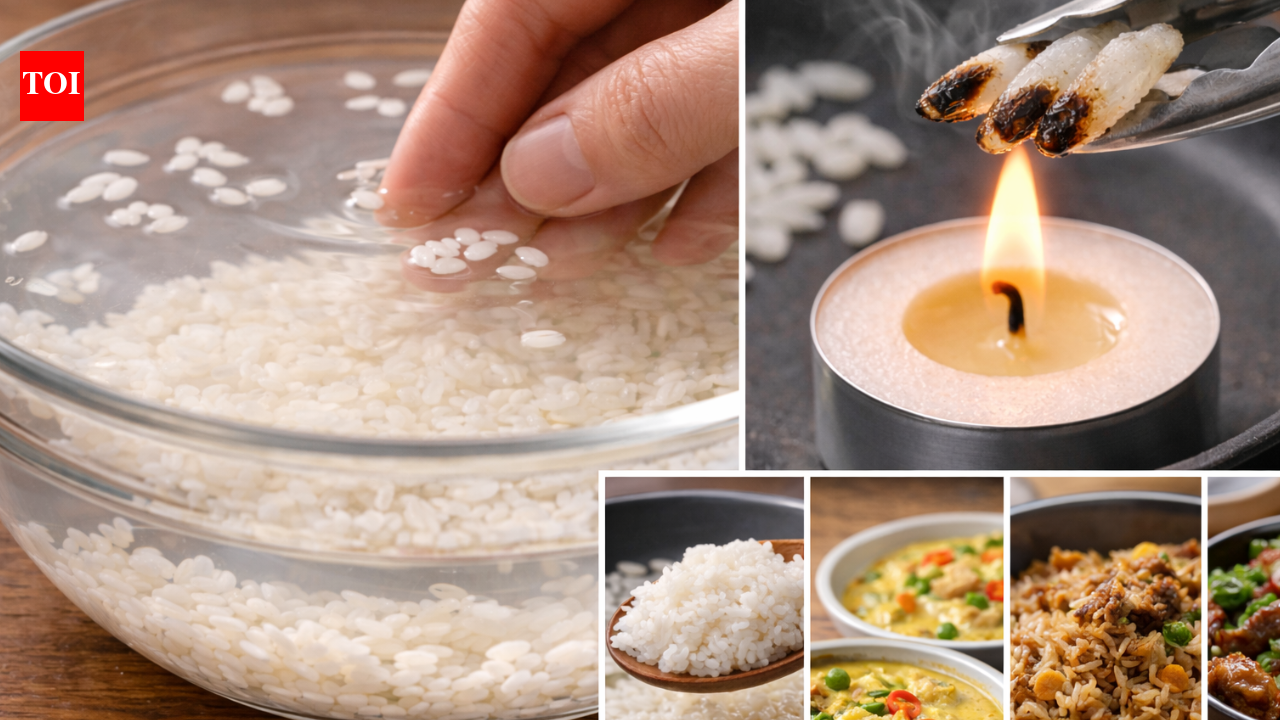
Stories about "plastic rice" resurface every few months, often triggered by viral videos showing grains that melt, float, or refuse to soften while cooking. Food regulators and scientists, including the Food Safety and Standards Authority of India (FSSAI) and the World Health Organization (WHO), have repeatedly stated that large-scale circulation of synthetic rice would be extremely difficult and uneconomical, and that most scare videos turn out to be misinterpretations of poor-quality, old, or highly processed grains.
"Food regulators and scientists... have repeatedly said that large-scale circulation of synthetic rice would be extremely difficult and uneconomical and that most scare videos turn out to be misinterpretations of poor-quality, old, or highly processed grains," the analysis notes.
Practical Home Tests for Rice Quality
While scientific certification of "plastic rice" requires laboratory testing, consumers can conduct simple home checks to identify suspicious or low-quality grains. Here are four practical tests:
1. The Water Test
Add a small handful of dry rice to a bowl of room-temperature water and swirl it gently with your fingers. Most raw rice sinks because it's dense, but broken grains, very dry rice, or puffed kernels can float naturally. Parboiled and polished varieties may behave differently.
How to read the result:
- Mostly sinking: Normal
- A few floaters: Usually broken or hollow grains – pick them out
- Large proportion floating: Doesn't prove "plastic," but suggests low-grade or damaged rice worth discarding
2. The Heat Test
Hold a few grains with metal tongs and briefly bring them near a candle flame or lighter, or warm them in a dry pan. Real rice will scorch and smell like burnt starch. If something softens into a sticky, glossy blob with a strong plastic-like odour, that's unusual and a red flag.
Safety note: Ventilate the area and avoid inhaling fumes, whatever the cause.
3. The Cooking Test
Cook a small quantity of rice in plain water, without oil or salt, exactly as you normally would. Rice that has been stored for long periods or milled heavily can behave unpredictably in boiling water. It may take longer to cook, release extra starch, or clump together.
How to read the result:
- Softens, splits slightly, smells normal: Fine
- Stays uniformly hard after extended boiling, smells odd, or looks glossy and fused: Don't consume and investigate further
4. The Crush Test
After boiling, press a single grain between your fingernails or rub it against a hard surface. Properly cooked rice usually flattens or smears as its starch softens.
How to read the result:
- Mashes or flakes: Normal
- Springs back or resists crushing completely: Suspicious, especially if combined with odd smells
What These Tests Actually Detect
None of these home methods can scientifically certify that rice is synthetic. What they can help you detect includes:
- Spoiled or stale stock
- Excessive polishing or poor milling
- Contamination with foreign material
- Grains that behave abnormally when cooked or heated
If You Find Something Suspicious
If several tests point to something abnormal:
- Don't eat it
- Keep the packaging and a small sample
- Report it to your local food-safety office or consumer helpline run by authorities like FSSAI
- Buy rice from trusted brands and retailers, check manufacturing dates, and store it in dry, airtight containers to avoid spoilage
Five Comforting Rice Recipes to Enjoy
If your rice looks, smells, and cooks normally, put it to good use with these simple, comforting dishes:
1. Jeera Rice
Wash basmati thoroughly and soak for 20 minutes. Heat ghee, add cumin seeds until fragrant, then stir in drained rice and salt. Add water, cover, and simmer till fluffy. Finish with coriander. Pair it with dal or paneer curry and enjoy it with a bowl of cooling cucumber raita.
2. Vegetable Pulao
Rinse rice well. Sauté bay leaf, cloves, cinnamon, and onions in oil; add ginger-garlic paste, chopped vegetables, and garam masala. Stir in rice and water, and cook covered till tender. Serve it hot for a filling lunch, with plain yogurt or a quick onion salad.
3. Lemon Rice
Cook rice separately and cool slightly. Heat oil with mustard seeds, curry leaves, peanuts and turmeric. Fold in rice, salt, and plenty of fresh lemon juice. Top with coriander. Add grated carrot for colour and crunch, and serve with papad for contrast.
4. Curd Rice
Let freshly cooked rice cool a little, then mash lightly with yoghurt, salt and a splash of milk. Temper mustard seeds, ginger, green chilli and curry leaves in oil and pour over. Finish with a handful of pomegranate seeds for sweetness and crunch, and serve chilled for maximum comfort.
5. Simple Tomato Rice
Wash the rice thoroughly and set it aside to drain. Cook chopped tomatoes with onions, ginger-garlic paste, chilli powder, and cumin until the mixture turns soft and pulpy, releasing a rich aroma. Add the rice and water, simmer gently until everything is absorbed, then fluff with a fork and serve hot. Garnish generously with coriander and a squeeze of lemon.
Food safety experts emphasize that while vigilance is important, consumers should focus on buying from trusted sources and storing rice properly rather than worrying about widespread plastic contamination, which authorities confirm would be economically impractical on a large scale.