Manhattan's first barn owl family in modern history nests in Upper West Side water tower
Heart-shaped faces above the pavement
Imagine standing on a Manhattan pavement after dark, looking up at a wooden water tower perched above an apartment building. Instead of the usual rooftop machinery, you spot a pale, heart-shaped face staring down at the street. Then comes a second owl. And another.
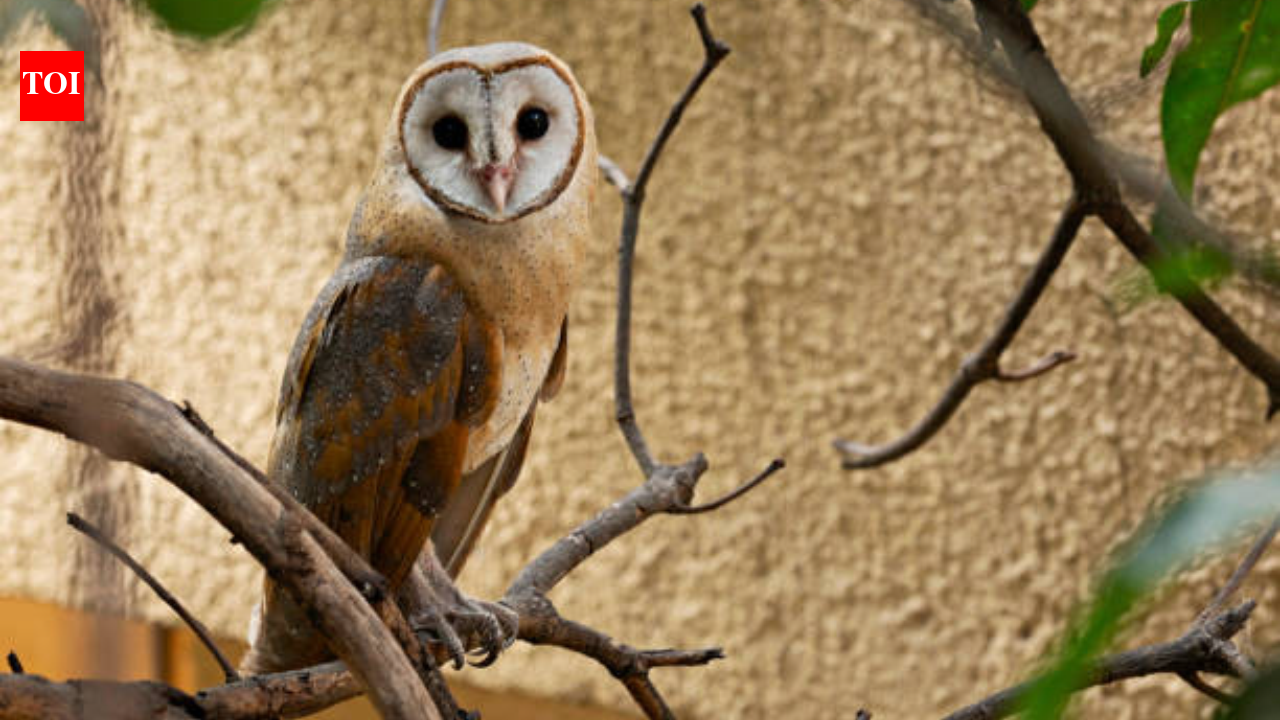
On Manhattan's Upper West Side, a family of barn owls has turned an ordinary rooftop water tower into one of the city's most unusual attractions. Experts believe the nest may be the first documented instance of barn owls breeding in Manhattan in modern history.
The strange screeches that first drew attention
The story began with a sound that residents struggled to identify. In September, people living near West 75th Street and Central Park West began hearing loud, raspy screeches at night. The noises were so unsettling that some residents initially feared someone was in distress.
One resident, Thomas Obersteiner, told the Associated Press that the sounds had continued for weeks, sometimes seeming to come from different directions.
The culprit turned out to be a bird with a call that sounds very different from the familiar hooting associated with owls. Barn owls are known for their harsh, drawn-out screeches. Resident Elisabeth Williams and her husband eventually identified an owl after hearing the calls and using an app.
What initially seemed to be a single unusual visitor turned out to be something far more remarkable. By early October, reports and photographs had drawn attention to several owls gathering around a rooftop water tower on a building near Central Park, where bird-watchers began gathering after dark to observe the birds.
Andrew Farnsworth, a migration ecologist at the Cornell Lab of Ornithology, described the discovery as astonishing in comments reported by the Associated Press. To the best of the birding community's knowledge, there had been no documented barn owl nest in Manhattan in recorded history. The qualification is important: it does not mean barn owls have never flown through Manhattan, nor that no one has ever seen one there. It is the apparent breeding family that makes the discovery exceptional.
The hidden danger in the city's rat problem
The owls' arrival has brought excitement, but it has also raised a less cheerful question: what happens when a predator feeds on rodents that have been poisoned?
Barn owls hunt small mammals, including mice and rats. In cities, those rodents may have been exposed to rodenticides, chemicals used to control infestations. When a predator eats contaminated prey, it can also be exposed to the poison.
Jessica Wilson, executive director of NYC Bird Alliance, warned in comments to CBS New York that barn owls feeding on poisoned rats could face serious risks. The danger is not unique to this family or to Manhattan. Wildlife conservationists have long raised concerns about secondary poisoning, in which predators and scavengers are harmed after consuming animals that have ingested rodenticides.
That makes the owl family's presence more than a feel-good urban wildlife story. It is also a reminder that the methods used to manage pests can affect animals further up the food chain. The birds may be nesting above the street, but their survival is linked to what happens below it: how buildings manage rodents, which chemicals are used and whether safer approaches to pest control are available.
New York has fallen in love with unusual birds before
The excitement surrounding the barn owls has a familiar precedent. In recent years, New Yorkers have become deeply attached to birds that appear in unexpected places. Pale Male, a red-tailed hawk that nested above Fifth Avenue for decades, became a fixture of the city's bird-watching community before dying in 2023. Then came Flaco, the Eurasian eagle-owl that escaped its enclosure at the Central Park Zoo in 2023 and spent a year flying around Manhattan. His movements drew widespread public attention, and his death in 2024 prompted an outpouring of grief.
These stories show how a wild animal can alter the way people experience a familiar city. A bird perched above a busy street can make residents pause, look up and notice a part of their surroundings they might otherwise ignore. The new barn owl family is inspiring a similar response.
Some people who were not previously bird-watchers have begun following the sightings, while photographers are gathering at dusk in the hope of capturing the birds as they emerge. For a few minutes, the city's usual spectacle of traffic, illuminated windows and rushing pedestrians gives way to something quieter: people standing together and watching a family of birds.