COTA’s bumps and tyre gamble put F1 teams’ set-up choices to the test
A circuit that refuses to offer an easy compromise
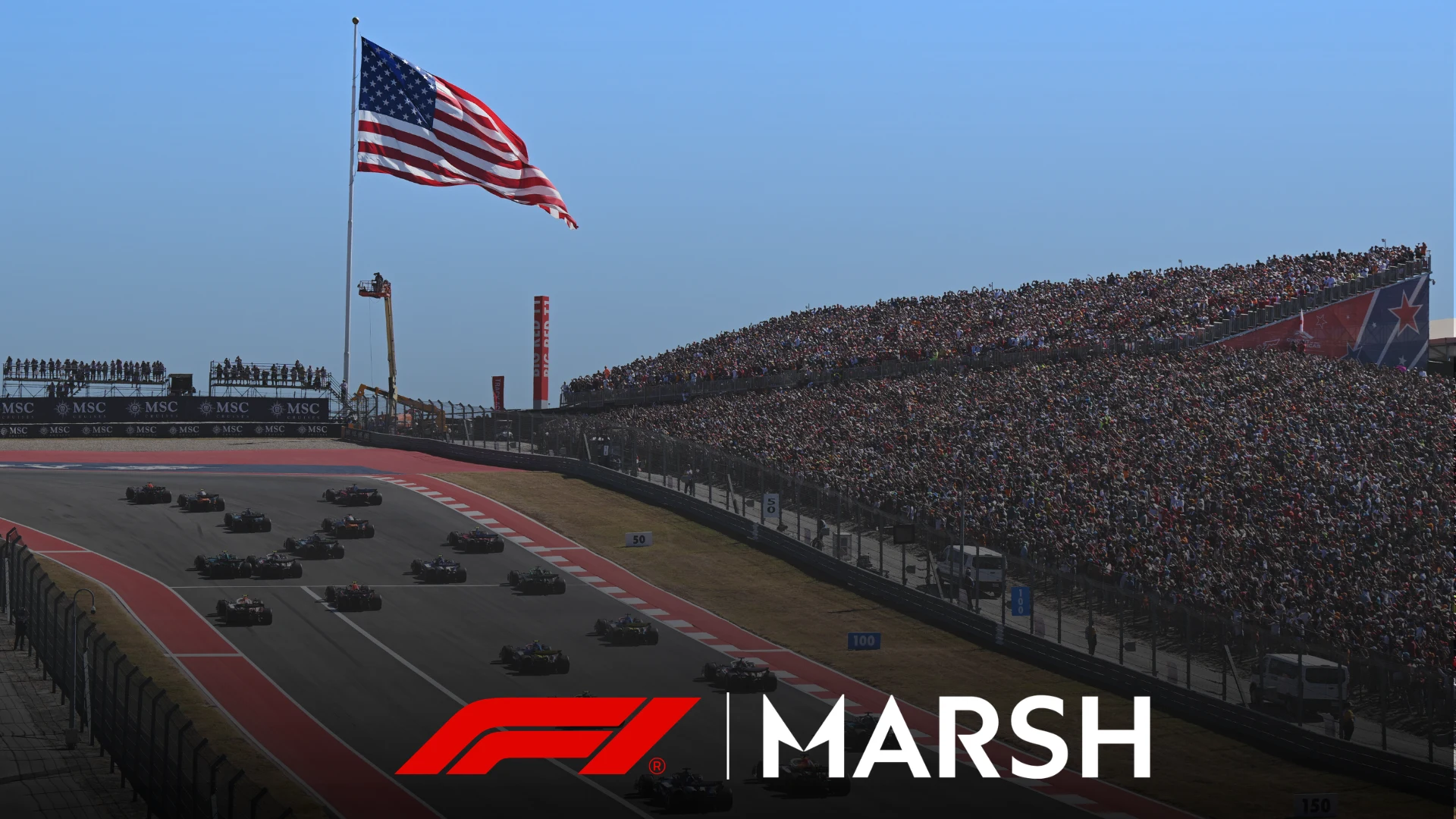
Circuit of The Americas presents Formula 1 teams with a fundamental set-up dilemma: the opening sector rewards high-speed performance, while the slower corners later in the lap demand different strengths. Add a bumpy surface and a qualifying lap that can overheat its tyres, and there is no single configuration that makes every part of the circuit comfortable.
“The different sectors at COTA pose some really good questions for set-up, with no obviously right or wrong answers,” said Xavi Marcos Padros, Cadillac’s chief race engineer. Teams must weigh damper settings, stiffness and ride height against the need to handle the bumps while ensuring the car’s floor plank remains legal after the race.
Initial practice settings draw on simulator and simulation data. Teams then revise their approach using track observations and driver feedback, with overnight simulator work helping refine the car for Saturday. The circuit’s evolving grip adds uncertainty: rubber builds up through the weekend, changing how the track behaves.
Qualifying brings a tyre-temperature trade-off
Getting the tyres into the right condition for a qualifying lap is particularly difficult. Prepare them aggressively on the out-lap and they may be ready for the first sector but overheat later, especially through the long right-hand corners that load the car’s left side. Hold back on preparation and the opening sector may be compromised.
“It can be difficult to know which is the best approach,” Marcos Padros said, explaining that teams use Friday running to test different out-lap preparations before making further comparisons in final qualifying simulations.
Herta, Cadillac’s test and reserve driver, is scheduled to take part in FP1 in place of Sergio Perez as part of a mandatory rookie session. The COTA race will be a return to a familiar track for Herta, who won there in IndyCar in 2019, though he noted that seven years have passed since he last raced at the circuit.
“You’re never going to feel completely comfortable on a lap here,” Herta said. He pointed to the combination of bumps, contrasting corner types and wind as factors that make finding a workable balance more important than chasing perfection in any one section.
Strategy depends on conditions and tyre life
COTA has often sat on the boundary between a one-stop and two-stop race. The article’s historical examples show two-stop strategies winning in 2021, 2022 and 2023, before a one-stop approach prevailed in 2024. In 2025, Pirelli’s unusual C1-C3-C4 selection was intended to create a contest between hard-tyre one-stoppers and faster two-stoppers, but the race became a one-stop event on softer tyres; Max Verstappen won using a medium-to-soft strategy.
For this year, Pirelli returns to the conventional C2-C3-C4 range. The expected hot conditions, as reported at the time of publication, could increase tyre degradation, but the article notes that two-stop races have been uncommon in 2026. Actual strategy will depend on how temperatures and tyre wear develop across the weekend.
Turn 19 is a late-lap test
While Turns 1 and 12 are headline challenges, the penultimate corner, Turn 19, is another key point on the lap. The quick, open left-hander arrives after the stadium section, when the tyres are already under strain. Its slightly downhill entry can make it difficult to judge, and a driver who carries too much speed risks being pushed wide on exit.