Verstappen Reveals What He Would Never Do as an F1 Team Boss
Verstappen: Why Two Young Stars Don’t Make a Sustainable F1 Line-Up
In a revealing conversation on the Pelas Pistas Podcast, four-time World Champion Max Verstappen opened up about team dynamics in Formula 1 and shared the one decision he would never make as a team boss: pairing two elite young drivers together.
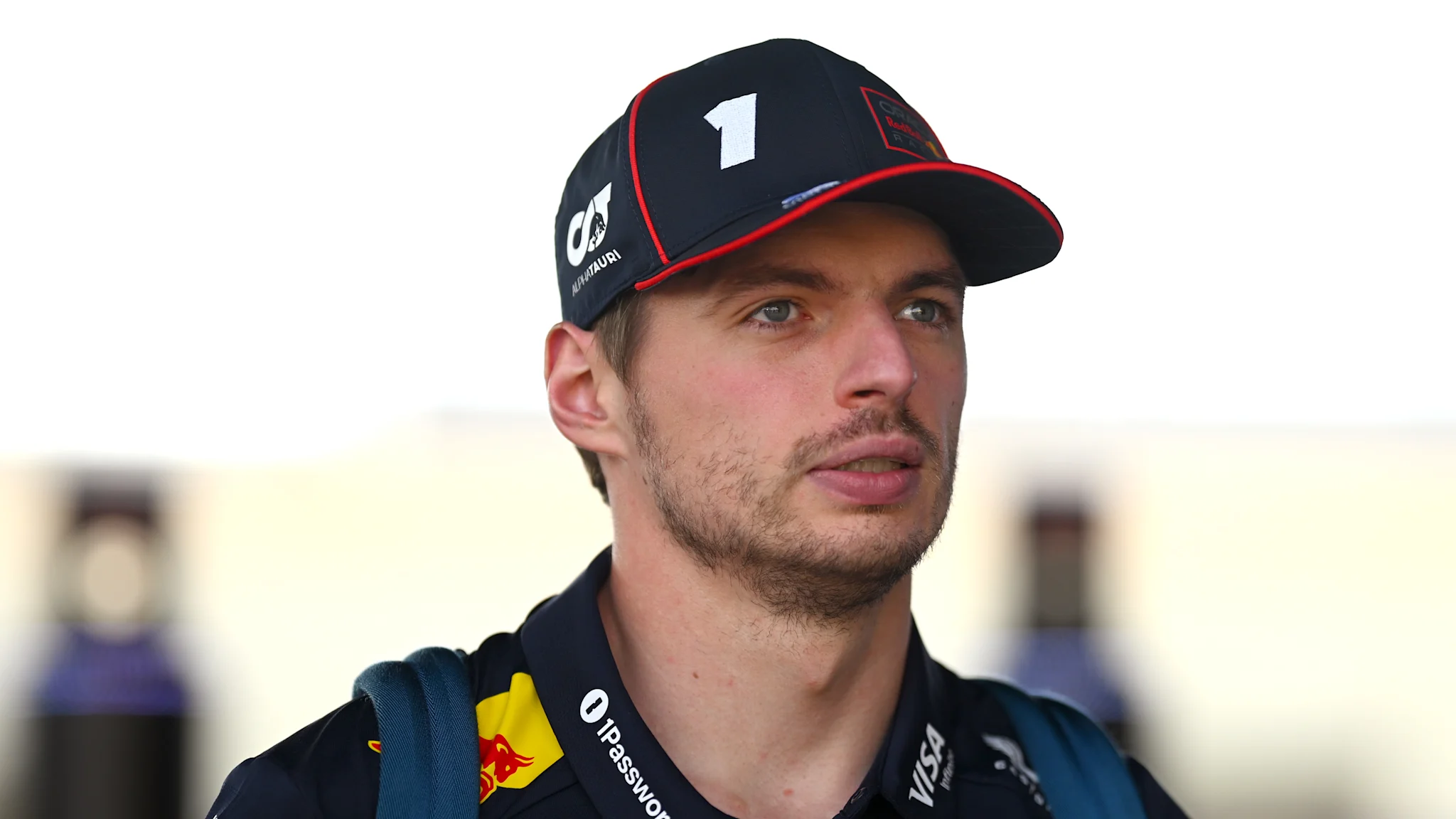
Verstappen argued that such a strategy, while potentially successful in the short term, is ultimately unsustainable. “It’s not ideal,” the Red Bull driver said. “I think if you look at the best partnerships in the past in terms of how to win championships, both as a team and as drivers, there’s a balance that needs to be maintained.”
Learning from Football: The Real Madrid Model
Verstappen drew an analogy from football, specifically Real Madrid’s long-term squad management. Despite being a self-proclaimed Barcelona fan, he admitted that Los Blancos have mastered the art of transitioning talent.
“They have a starting 11 that’s amazing, but they also make sure that once the older guys are at their end, they immediately replace them with a good young talent that can fill the gap,” Verstappen said. “That’s what I think you need to try to achieve in Formula 1 as well.”
He emphasized the importance of having one experienced driver at or near the peak of their career alongside a younger driver ready to step up. This ensures continuity and prevents the team from declining when key figures retire or underperform.
The Danger of Internal Conflict
Verstappen warned that pairing two top-tier young drivers intensifies internal competition, which can fracture team cohesion. “They will always try to mess with each other,” he said. “Even if the team is very successful now, eventually it will break it up. I think you will see that happening very soon in Formula 1 as well with the current scenario.”
He elaborated on the risks: “I’m more worried about the internal fight that you create, and people will leave. If it’s the driver, very important people up top… you create a two-sided garage. And at one point, it doesn’t matter how successful you are — it will break it up.”
According to Verstappen, such tensions are manageable for one or two seasons, but not in the long run. “It’s not sustainable for me personally. If you’re not fighting for championships, it’s less of a problem. But when the stakes are high, you see the true colours of people.”
Respecting the Legends: Why Eras Matter
When asked about his dream driver line-up from F1 history, Verstappen was cautious. “It might sound a bit controversial, but if you would have to have them drive the current car, they would struggle,” he said. “Sports evolve, become more professional — that’s why I find it very unfair when people ask me who the greatest ever is.”
He stressed that every generation had its own dominant figures: “For me, it’s impossible to answer because every era had their own greatest driver.”
Still, he admitted fascination with certain legendary eras. “I think it would be quite cool to see Michael [Schumacher] in his Ferrari days, be in there and observe how he was with everyone,” he said. “And at the same time, would you want to be in the McLaren team when Ayrton [Senna] was fighting with [Alain] Prost? Probably not, but they were winning and dominating as a team — so you learn.”
For Verstappen, the intrigue lies not in comparing across generations, but in understanding how greatness was achieved in different contexts.