GPS Tracking Reveals How Solar Farm Fences Disrupt Pronghorn Migration Routes
Monitoring the Americas' Fastest Land Animals
In a significant effort to understand the intersection of renewable energy and wildlife conservation, scientists in 2024 fitted 75 female pronghorns—regarded as the fastest land animals in the Americas—with GPS collars. The project, led by the conservation group Wildlands Network, focuses on animals near the San Juan Solar and Storage Project in Farmington, New Mexico.
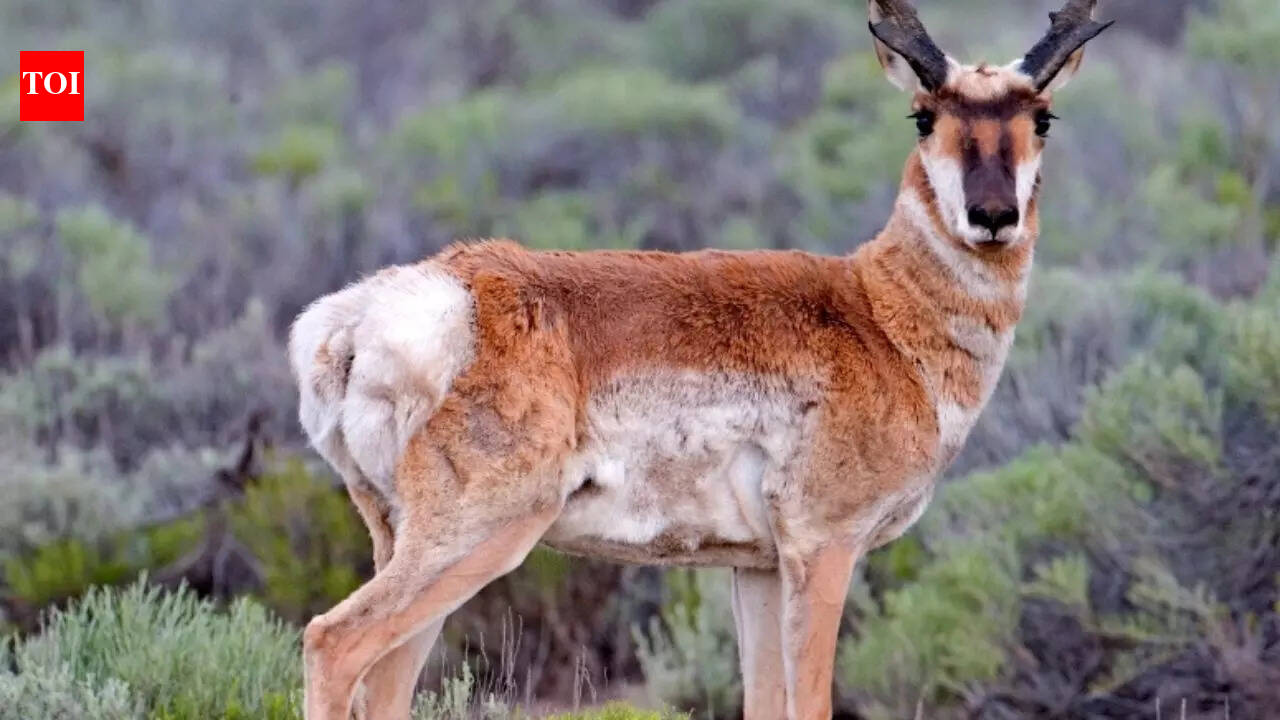
The collars record the animals' locations every hour, creating one of the most comprehensive datasets ever compiled for large mammals living adjacent to a solar energy project. By early 2025, these devices had captured over 700,000 location points, providing a detailed look at how the 1,100-acre San Juan facility—built near a retired coal-fired power plant—impacts animal movement.
The Barrier Effect of Solar Infrastructure
The findings highlight a critical challenge: while solar projects are essential for replacing fossil fuels, their infrastructure can create unintended ecological barriers. Unlike deer, pronghorn rarely jump over fences; instead, they typically attempt to crawl underneath them. This behavior makes the standard six-foot chain-link fences required for solar facilities a major obstacle.
Researchers noted that although the San Juan project incorporated gaps between fenced sections, these openings often do not align with the natural migration routes the pronghorns have used for thousands of years. This is not an isolated incident; previous research published in the journal Ecological Solutions and Evidence indicated that pronghorn activity declined near a solar farm in Wyoming, with negative effects extending even beyond the immediate fenced areas.
Seeking Sustainable Design Solutions
The researchers emphasize that their findings are not an argument against the transition to solar energy, but rather a call for more wildlife-conscious engineering. They suggest that simple design modifications could mitigate the impact on biodiversity.
Specifically, raising the bottom of fences high enough to allow pronghorn to crawl underneath could preserve traditional migration routes. By utilizing long-term GPS data, the Wildlands Network hopes to establish a blueprint for how renewable energy projects can be constructed to minimize their footprint on North America's most unique and fastest wildlife.