BBC Scotland calls on Tartan Army to share Boston World Cup memories
BBC Scotland is once again turning to the fans themselves to help tell the story of Scotland's World Cup adventure, launching a fresh call-out for footage, audio and photographs from the Tartan Army's time in Boston.
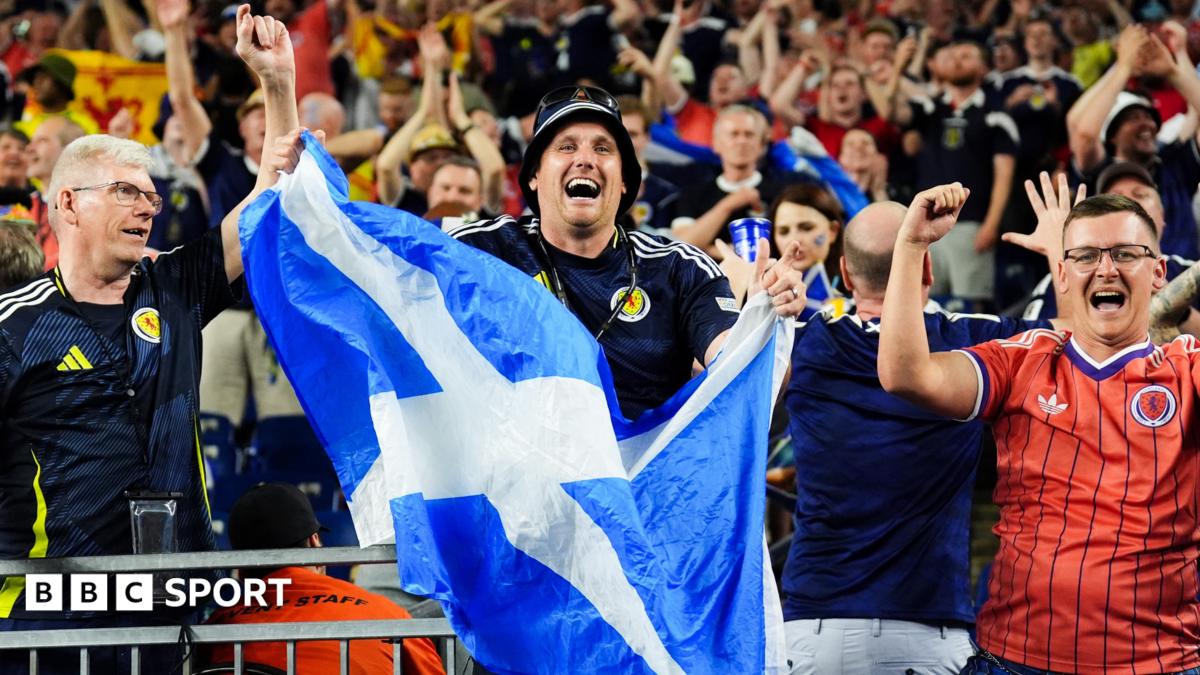
Scotland played their first two World Cup group games in the Massachusetts city, and thousands of travelling supporters descended on Boston for a week that is already being described as unforgettable.
A relationship born in Boston
According to the BBC, what happened in Boston went far beyond 90 minutes of football. "Thousands of Tartan Army supporters descended on the city and a relationship to last well beyond the World Cup was born," the broadcaster said, capturing the scale of the bonds struck between Scotland fans and locals.
Now BBC Scotland wants supporters to send in their videos, audio recordings and personal memories of "that magical week or so in Boston" — the fan zones, the pubs, the chance encounters with Bostonians and everything in between.
What the footage will be used for
The material will help shape a programme about the lifelong friendships formed in Massachusetts, told from the perspective of both Scotland fans and the Bostonians who welcomed them. The project carries the working title Scotland in Boston: World Cup 26'.
It is not the first time BBC Scotland has built a programme around supporters' own cameras and phones. The broadcaster previously used fan-submitted footage to capture the memories of Scotland's World Cup qualification-clinching 4-2 win over Denmark — the night Scotland's place at the tournament was secured.
How to get involved
Fans who were in Boston for the group games are being encouraged to dig out their phones and cameras and submit anything they captured during the tournament stay. Footage, audio and pictures can all be sent in, with the most memorable contributions set to feature in the finished programme.
For the Tartan Army, the call-out is another chance to relive — and preserve — a trip that turned a group-stage campaign in New England into the start of a relationship that, by the BBC's own description, will "last well beyond the World Cup".