Caitlin Clark reveals her mother became her 'rock' through injury-hit WNBA season
For Caitlin Clark, the hardest part of her injury-plagued WNBA season was not simply being unable to play basketball. It was being forced to step away from the game that had always defined so much of her life. During that difficult stretch, the Indiana Fever star turned to the person who had offered comfort long before the spotlight arrived: her mother, Anne Nizzi-Clark.
Injury brought Clark closer to her mother
Clark's 2025 WNBA season took an unexpected turn when injuries limited her to just 13 games. A right groin injury suffered on July 15 ultimately ended her campaign, leaving her with a recovery process instead of the competitive schedule she had expected. The setback carried extra weight because Clark had rarely experienced extended time away from basketball, having spent years building her identity around competing — from childhood games to college basketball and her rise as one of the WNBA's biggest stars.
Away from the court, however, Clark found comfort in a much simpler place. Her mother, Anne, became the person she reached for when she needed reassurance.
"I feel like my mom has always kind of been my rock. The first person like I called when I got hurt this year was like my mom," Clark told Glamour. "I was like, 'Can you fly here and cook me a meal and like just spend time with me?' And that is just the person that makes you feel safe. And I probably took that for granted as a kid, but my mom always made the best meals."
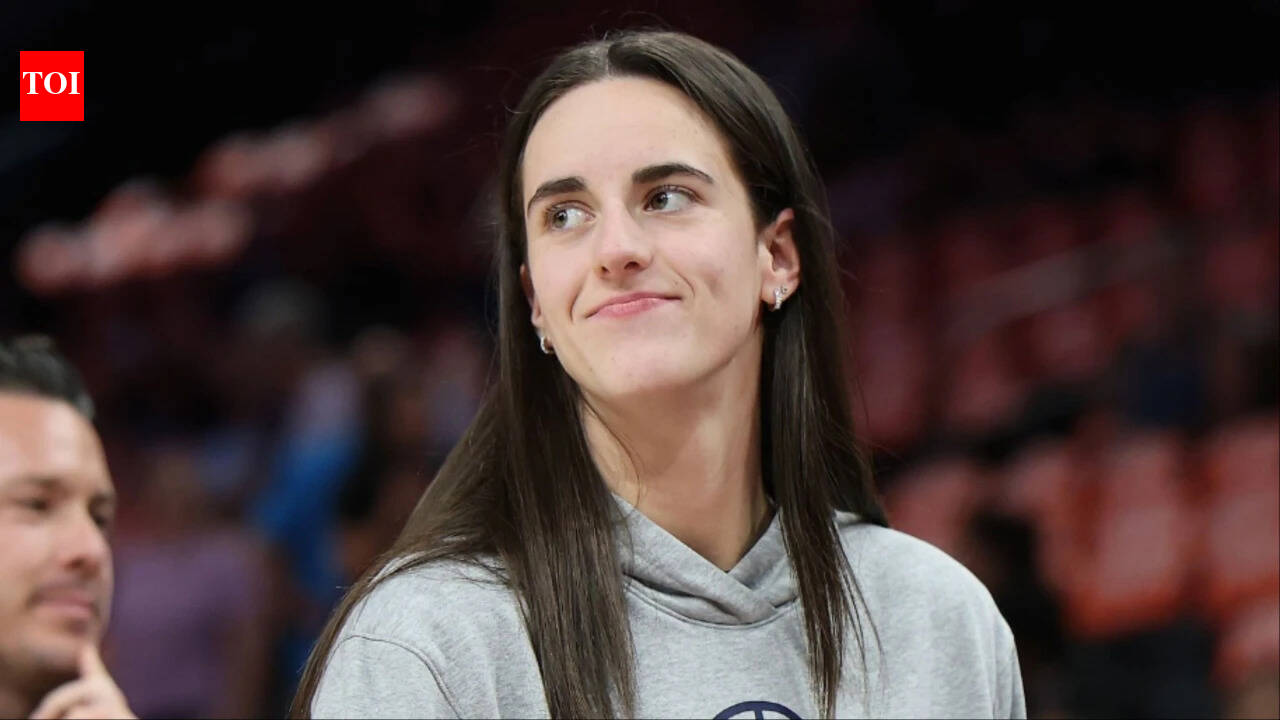
How Anne Nizzi-Clark became Clark's safe place
Clark's comments reveal how much ordinary family routines can matter during difficult moments. Professional athletes often live around demanding schedules, travel, training and constant public attention, and injury can suddenly remove that structure. For Clark, returning to something familiar helped create a sense of normality.
Food played an important role in that process. Clark has spoken about enjoying cooking herself, but her mother's meals carry a different kind of meaning — they connect her to childhood, to a period when basketball was still a game rather than a career. "That's kind of what I grew up on," Clark added.
Anne was not only a parent arriving to help an injured daughter. She represented a familiar environment that Clark associated with comfort and security. It is a side of the Fever star that fans do not always see during games: on the court she is known for her competitive edge and confidence, but away from it her own account shows someone who still finds comfort in the rituals and people that shaped her before professional basketball became her daily life.
Clark's competitive streak started long before the WNBA
Clark's response to injury becomes easier to understand when viewed alongside her childhood personality. She has described herself as intensely competitive from a young age, a trait that was already visible in ordinary childhood activities.
Speaking to David Letterman, Clark remembered how seriously she approached Halloween trick-or-treating. "When we trick-or-treated in Des Moines growing up, I would be like, so sweaty under my costume because I was in a dead sprint from house to house," she said. "I had to have the most candy. That's how I operated."
For a child who wanted to win even at trick-or-treating, being told to sit out of basketball because of an injury was a major adjustment. Her competitiveness also created plenty of concern for her parents, as Clark recalled with a laugh: "My mom would get pissed at my dad because it's like, 'Why did you lose our daughter? Why is she running through the neighborhood by herself?'"
The memory is funny, but it also shows the protective side of Anne — long before Clark became a household name, her mother was watching over a daughter who was energetic, driven and determined to push ahead.
What the injury revealed about Clark's journey
Clark's injury was ultimately more than a pause in her WNBA career. It offered a glimpse into the support system behind one of basketball's most recognisable players, showing how motherhood can remain a source of stability even after a child reaches the highest level of professional success.
For Clark, that comfort came in the form of her mother's presence, home cooking and the feeling of safety she had known since childhood. The experience also placed her competitive nature in a new setting: instead of chasing a defender, winning a game or breaking a record, Clark had to focus on recovery and patience — difficult lessons for an athlete accustomed to moving forward.
That is why her request for her mother to fly in feels significant. It was not about basketball advice or another training plan; she simply wanted someone who made her feel safe. For Anne Nizzi-Clark, being that person has been part of motherhood long before her daughter became a WNBA star. And for Caitlin Clark, the difficult season offered a reminder that even at the height of professional success, some of the strongest forms of support can still come from home.