Japan's JFA academies produce a quarter of senior women's internationals
Academy pipeline behind Nadeshiko's sustained success
Japan have constantly pushed the boundaries in women's football with regular Asian success and the ability to beat the biggest nations in the world. Nadeshiko won the Women's World Cup in 2011 and reached another final in 2015, and the side won the Women's Asian Cup this year under Nils Nielsen before Michihisa Kano took over. Most of the biggest stars now play abroad, with 24 contracted to Women's Super League clubs alone.
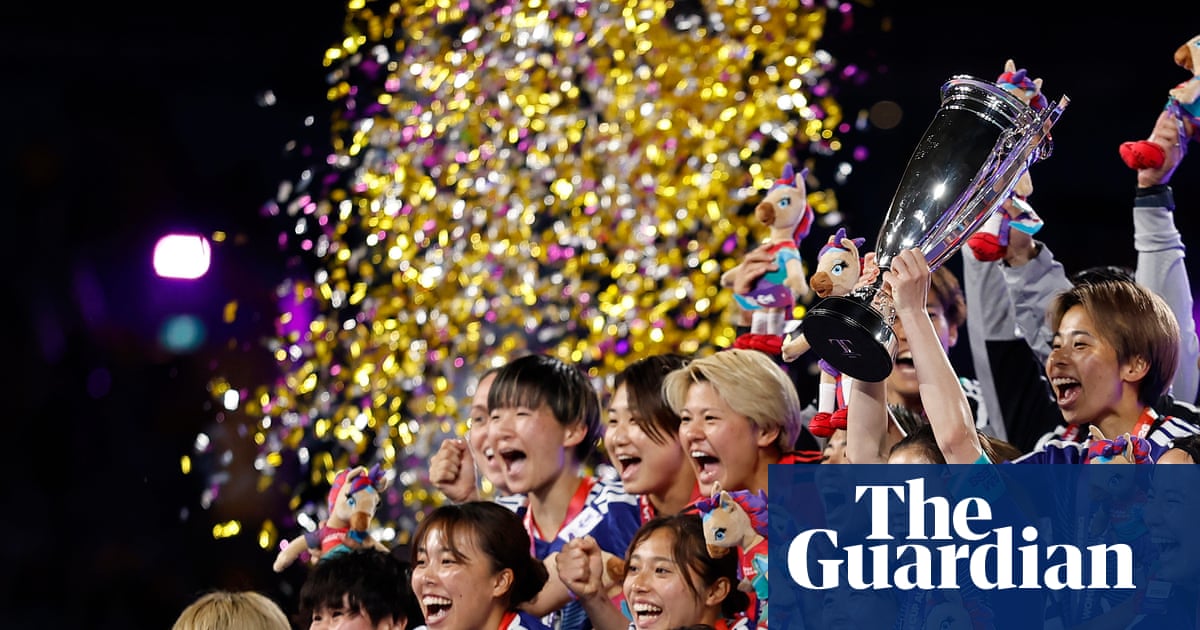
One of the secrets behind the trademark easy-on-the-eye style lies in the JFA Academy network. There are three academies for girls across the country of 123 million people: Fukushima, Sakai and Imabari. A fourth, Kumamoto Uki, is boys only. Fukushima opened in 2006, Sakai in 2012 and Imabari in 2015. Fukushima moved to Susono City after the nuclear disaster that preceded the 2011 World Cup triumph by months.
From dorm life to senior internationals
Shota Mishio, an analyst for the national team in 2011 and a recent coach at the Fukushima academy, says the model develops world-class individuals and moulds them into a national team unit. Girls enter the academies at 13 and, other than in Fukushima, leave at 15. Fukushima keeps players until 18 with five technical coaches dedicated to the girls.
"We belong to the JFA, we are a coaching school with accommodation for players … the most important information I can give you is 25% of our original players have become senior national team players – that is a very high percentage," Mishio says.
At the 2023 World Cup in Australia and New Zealand, five of Japan's 23 players had come through the Fukushima academy. At the Paris Olympics a year later, it was seven, Mishio pointing to a "progression every tournament".
Manaka Hayashi is a recent success story. She graduated in 2022, played domestically for INAC Kobe and earned a move to NWSL side Chicago Stars at the start of 2025 before leaving for Juventus last month.
"We all had to apply for it, then the coaches come and watch us try out," she says. "There could be 100 to 200 players who could apply, but only half a dozen get selected, so it's not easy to get selected, it's quite special."
Education runs alongside football. The government helps, with the education department supporting the academies. The JFA runs its own programme for English, languages in general and football-specific language.
"We would go to school from morning to evening and then come back to train around 4pm to 6pm. At high school age, we would go to school only 9am to 12pm and train more, so there is much more time for football as you get older," Hayashi says.
Technical focus and abroad ambitions
Hayashi recalls stepping into the dorm at 13 with players up to 18. "It's a big life experience and you definitely learned how to communicate with other people, from different backgrounds and different ages."
Football-wise it changed her a lot. "The JFA scouts are always paying attention, but you live it every day, so there is so much opportunity to talk about and learn about football. We would watch it just to help each other become better, analyse everything. That's the difference between the JFA Academy and being at other clubs."
The way of playing is drilled in from a young age. "I'd say yes," Hayashi says on whether the academy instils the national style. "The coaches emphasised a lot we had to be better technically. When you play against foreign teams, they are faster and stronger than us, so we had to be smarter to compete against them with quality on the ball. We had to be skilful on the ball to become better than other countries."
Mishio says: "The important thing is the technique and endurance. These are the main points of the training here, because it was the trademark of the Japanese style of play."
More players now want to go abroad. The Japan internationals in England include Manchester City's Yui Hasegawa and Chelsea's summer acquisition Manaka Matsukubo. Mishio notes recent moves to Feyenoord and Bayern Munich, with others preferring to turn professional in Japan first.