FIA settings glitch mars Singapore sprint qualifying as Mercedes upgrade doubts deepen around Antonelli
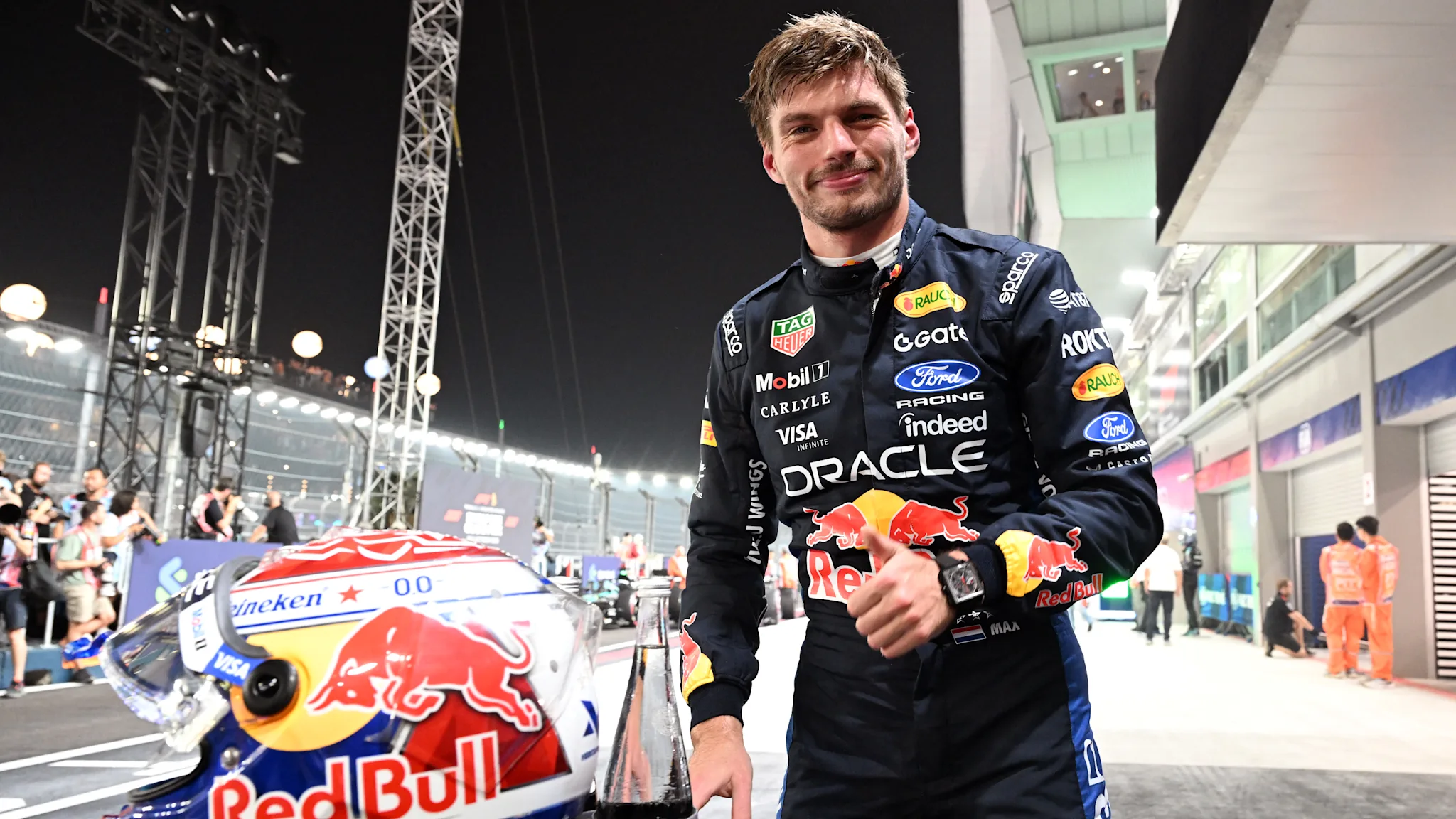
Sprint qualifying for the Singapore Grand Prix was disrupted by a fresh round of technical problems on Friday night, with a glitch in the engine settings supplied by the FIA and a failure in the F1 timing system combining to delay and unsettle the session — though neither affected the final order, which Max Verstappen topped ahead of George Russell.
Overtake mode on and off in 28 seconds
The settings issue came just five days after a software bug caused chaos at the wet Malaysian Grand Prix, where the formation laps saw cars reduced to crawling speed. In Singapore, the problem involved overtake mode — which allows an extra 0.5MJ of energy to be harvested — being switched on and off again in the space of 28 seconds, leaving the settings different before and after the red flag caused by Sergio Perez's crash for Cadillac.
Drivers complained of reduced power as a result, and the confusion was compounded by a separate glitch in the F1 timing system, which delayed the start of the second qualifying segment. The FIA has been approached for comment but has not yet provided an explanation.
Mercedes upgrade doubts deepen
On track, George Russell's performance relative to team-mate Kimi Antonelli raised further doubts about the efficacy of the Mercedes upgrade introduced in Malaysia — the team's biggest car update since the Canadian Grand Prix in June, but one which team boss Toto Wolff admitted at Sepang had appeared to take them backwards rather than forwards.
Mercedes split the car specification in Singapore in an attempt to better understand its performance, with Russell running the previous specification and championship leader Antonelli on the new parts. The contrast was stark: Russell took second on the grid for the sprint, while Antonelli ended the session 0.573s adrift in seventh. It is not yet clear whether Antonelli had any kind of issue.
Wolff said before sprint qualifying: "The new car seems to be a little more tricky to drive. Not saying it's necessarily slower, because there will be goodness in it, but maybe we haven't just found a way of putting it all together and tuning it. The older car is a bit more stable, grippy, but that is really just one data point."
With the FIA yet to explain the settings failure, attention now turns to Saturday's 21-lap sprint at the Marina Bay Street Circuit, where the field will be hoping the governing body's software is not the story again.