Messi’s Argentina farewell closes a career built on heartbreak, belief and redemption
A farewell that turned into a celebration
Lionel Messi’s final appearance for Argentina ended with a 3-0 victory over Benin, an emotional send-off at Buenos Aires’ Monumental Stadium and a speech that showed a side of the captain rarely heard in public. Messi contributed to all three goals and scored from the penalty spot, as supporters filled the stands with a prolonged chorus of celebration.
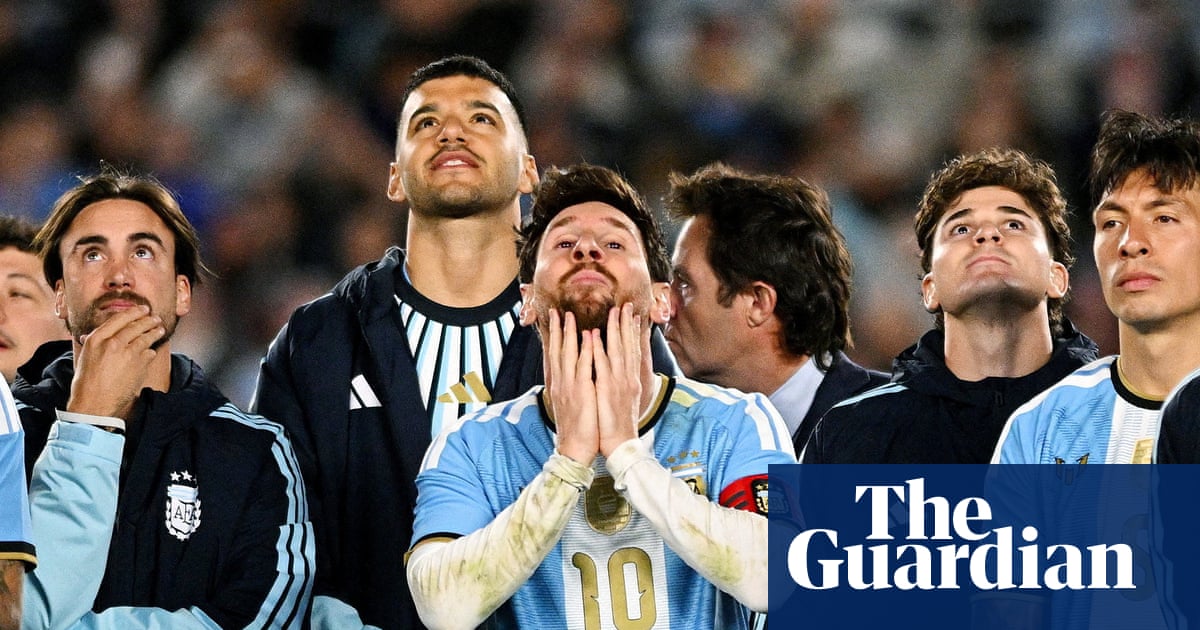
The farewell had been an imperfect production. The Argentina Football Association struggled to arrange opponents, and Benin was mocked by some as an unworthy choice. Ticket prices also drew complaints, while the stadium was not full to capacity. A drawn-out musical tribute and an advertising-heavy drone display did little to lift the occasion.
But the match itself gave the night its meaning. Benin competed, and its captain presented Messi with a statue of a Dahomey Agojie warrior. The crowd’s response was unmistakable: the terraces sang for their captain as Messi helped Argentina to victory. He later told supporters, “I don’t want to leave here. I love you.”
A complicated relationship with the national team
Messi’s departure closes a long, difficult chapter as well as a celebrated one. Though he grew up in Barcelona’s youth system and was eligible to represent Spain, his international allegiance was secured for Argentina early in his career. His father, Jorge, sent videos to then-coach Marcelo Bielsa in an effort to bring the young prospect into the national setup.
Success at club level did not immediately translate into acceptance at home. Messi faced criticism for his performances, for not singing the national anthem and for seeming uncomfortable as a public speaker. He endured defeats, missed penalties and tears; after announcing his retirement from international football in 2016, he returned following a wave of public support.
Argentine journalist Alejandro Wall described Messi as a player “constituted in defeat,” a reference to the setbacks that preceded his eventual triumphs with the national team. His standing changed as Argentina won the 2021 Copa América and then the 2022 World Cup, while Messi grew into a more assured leader.
“I’m talking more than ever”
The farewell also brought an unusually expansive address from a player long known for saying little. Messi spoke about the team’s unity and the challenges ahead, and rejected conspiracy theories about Argentina’s World Cup final against Spain. “Nothing odd happened,” he said, adding that the earlier semi-final against England had left the team emotionally exhausted.
“We had the dream of fulfilling our dream,” Messi told the crowd. Then, acknowledging how uncharacteristically talkative he had become, he added: “I don’t know, I’m talking more than ever.”
His final words captured the intimacy of the moment: “I don’t want to leave here. I love you.” After years in which supporters and critics alike tried to read meaning into Messi’s silences, the farewell ended with his message—and the crowd’s answer—plainly heard.