India's Wildlife Tourism Pivots Beyond the Tiger to Embrace Slower, Immersive Forest Experiences
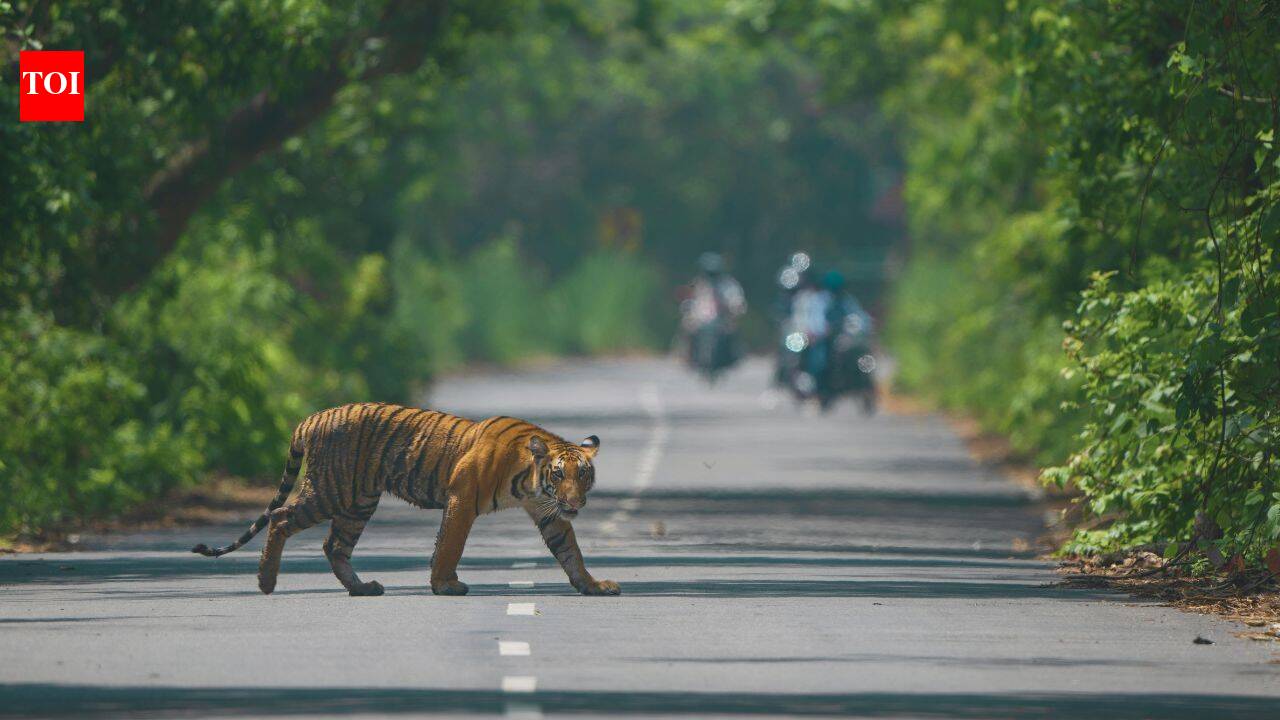
For decades, spotting a tiger has stood as the ultimate benchmark of an Indian wildlife holiday. Early mornings in open-top safari jeeps, scanning forest tracks for a striped silhouette, have long defined the tourist experience. However, a major shift is underway across India's wilderness destinations as travellers and resort operators move away from single-species obsession toward richer, more immersive jungle experiences.
Moving Beyond the Game Drive
While game drives remain central to wildlife travel, destinations are increasingly being packaged as holistic ecosystems. For multi-generational families travelling with children or elderly members, spending multiple days enduring back-to-back bumpy safaris is no longer the sole priority. Instead, activities such as nature walks, birdwatching, local culinary exploration, pottery, cycling, and stargazing are reshaping itineraries.
In rainforest destinations like Wayanad, the focus has shifted toward appreciating smaller details—from canopy bird calls to butterflies and stream-dwelling amphibians. Nature-led storytelling and interactive trails are introducing younger travellers to biodiversity in hands-on ways.
“The way people think about travel is evolving,” noted Radhakrishna Shenoi, Assistant Vice President of Operations at CGH Earth. “Sometimes, what people need most is simply the opportunity to pause.”
Broadening the Forest Experience in Central India
In tiger heartlands such as Pench, resorts are increasingly curating experiences outside national park gates. Hands-on craft workshops, village trails, and conservation education are bridging the gap between morning and afternoon safaris.
“The safari is still a major reason for choosing a wildlife destination, but it is no longer the entire holiday,” explained Anil Agarwala, Managing Director of Tathastu Resorts. “Families today want enough to do before and after the game drive as well. The expectation is increasingly to experience the landscape and local culture rather than judge the trip only by whether a tiger was sighted.”
Ranthambore Embraces Heritage and Landscape
Even iconic tiger hubs like Ranthambore are encouraging visitors to explore their broader heritage and landscape. Beyond the big cats, visitors are drawn to the historical Ganesh Temple atop the ancient fort, ruins scattered across the terrain, and rich birdlife.
“Not everyone in a family wants to do every safari, and that should not make them feel that they have missed the holiday,” said Gaurav Mudgal, Managing Director of Black Rock Hotels & Resorts, which operates the Aamaghati Wildlife Resort.
While the tiger remains India's premier conservation and tourism icon, the narrative of wildlife holidays is expanding to celebrate entire forest ecosystems, ensuring that journeys into the wild are memorable regardless of whether a striped cat crosses the path.