Navratri 2026 dates confirmed: Nine nights of the goddess begin October 11, Dussehra falls on October 20
The evenings and nights are about to take on that unmistakable festive air — streets filling with lights, markets crowding with shoppers, and the sound of drums and devotional songs drifting out of homes and community halls late into the evening. Sharad Navratri, the biggest of India's nine-night festivals, is almost here, and with it comes the annual round of questions about dates, rituals and regional traditions.
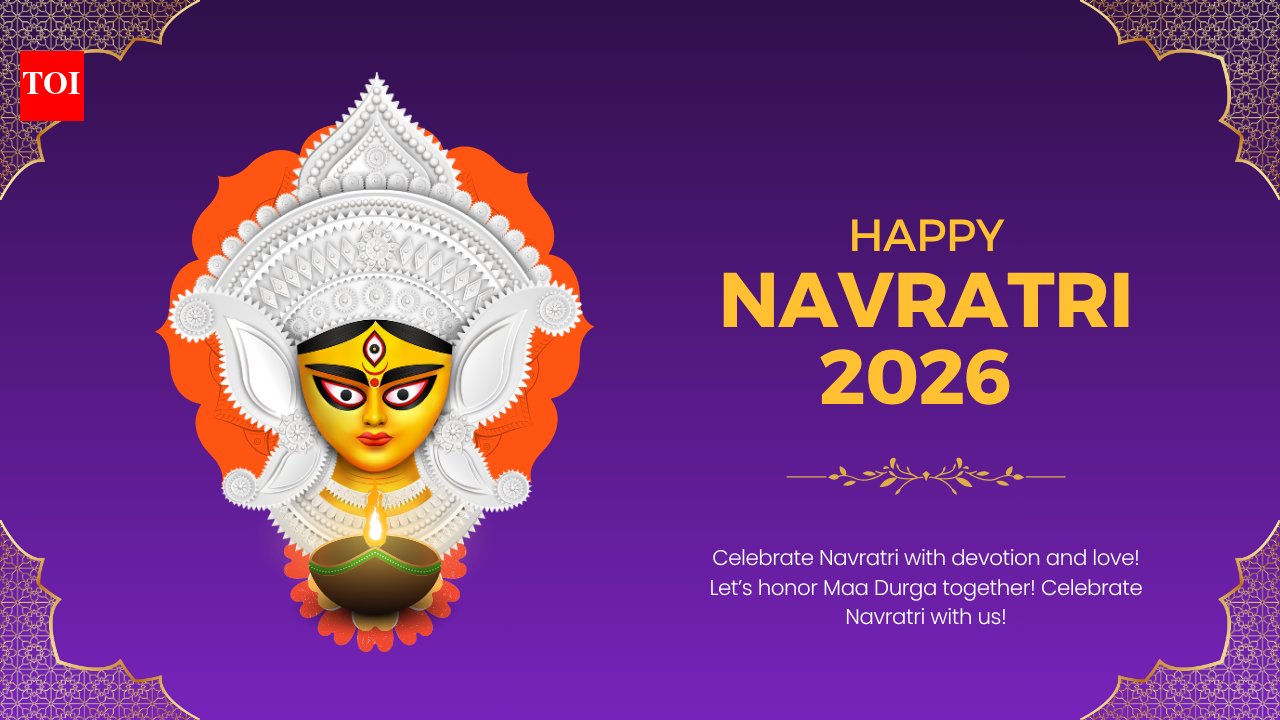
When does Navratri 2026 start?
Sharad Navratri 2026 begins on Sunday, 11 October 2026 with Ghatasthapana, the ritual in which a sacred pot called a kalash is set up. The festival ends with Maha Navami on Monday, 19 October, and Vijayadashami or Dussehra follows on Tuesday, 20 October.
According to Drik Panchang, the Pratipada tithi that marks the start of the festival runs from 9:19 PM on 10 October to 9:30 PM on 11 October.
What does the name mean?
The name explains itself: "Nava" means nine and "ratri" means night, so Navratri literally translates to "nine nights." There are traditionally four Navratris a year, but Sharad Navratri, observed in the month of Ashwin, is the biggest. Besides the lesser-known Gupta Navratris also observed in the country, Chaitra Navratri in spring and Sharad Navratri in autumn are the two most widely celebrated.
Why is Navratri celebrated?
At its heart, the festival celebrates the victory of good over evil, and the legends behind it vary across regions. In one tradition, Goddess Durga fights and defeats the demon Mahishasura. Another says Lord Rama worshipped Durga for nine nights before defeating Ravana on Vijayadashami. In Bengal, Durga Pujo marks Vijayadashmi as the day Goddess Durga returns to her father's home after vanquishing Mahishasura.
The nine days: significance and celebration
The celebration honours Durga as Shakti, the energy behind the universe. Over nine nights, devotees remember her nine forms — the Navadurga — from Shailaputri on day one to Siddhidatri on day nine. Many devotees also wear a dedicated colour for each day of the festival.
Traditions differ sharply across the country. In the north, people watch Ramlila, plays that retell the Ramayana, and on Dussehra giant effigies of Ravana are burned with fireworks alongside those of his brother Kumbhakaran and son Meghnad. In Gujarat, the nights belong to garba and dandiya, with many people fasting and praying together through the festival.
How Bengal celebrates
For Bengalis, the countdown begins with Mahalaya — the last day of Pitru Paksha, which marks the start of Devi Paksha. In 2026, Mahalaya falls on 10 October, the day before Navratri begins. The main celebration, however, runs from Maha Shashthi on 17 October to Bijoya Dashami on 21 October. On Shashthi, the goddess is welcomed into homes and pandals, and families spend the days pandal-hopping, sharing bhog (blessed food) and feeding the needy.
For many families, the season is about far more than a holiday — a time for fasting, prayer, catching up with relatives and dancing until your feet ache. Children hear the old stories again, grandparents pass on rituals learned from their own elders, and neighbours who barely speak all year end up sharing food. And if you ask ten people about the festival, you may well get ten slightly different answers — some will talk about a goddess, some about a king, some about colours, some about fasting. That diversity, festival-goers say, is precisely what makes it beautiful.
Key dates at a glance:
- Mahalaya: Saturday, 10 October 2026
- Ghatasthapana / Navratri begins: Sunday, 11 October 2026
- Maha Shashthi: Saturday, 17 October 2026
- Maha Navami: Monday, 19 October 2026
- Vijayadashami (Dussehra): Tuesday, 20 October 2026
- Bijoya Dashami (Bengal): Wednesday, 21 October 2026