Nauru launches long-term bid to build its first football team
Nauru’s football dream moves beyond one-off matches
For six weeks, the World Cup captured attention on Nauru. But after Spain lifted the trophy, football largely disappeared from daily life on the tiny Pacific island, where the sport has never progressed to an official senior international match.
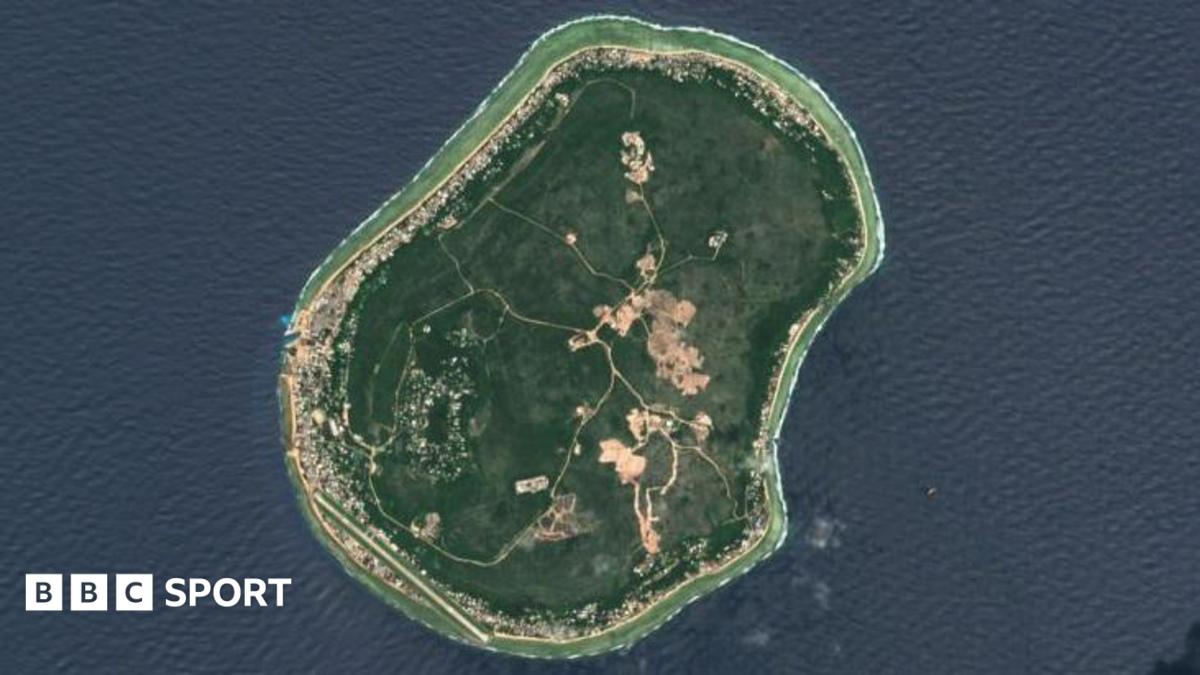
Nauru has only one football pitch, a hard and dusty surface shaped by decades of phosphate mining. Most of the island’s 12,000 residents live around its narrow coastal fringe because much of the interior is uninhabitable, leaving usable sporting space at a premium.
A volunteer group led by British former academy player Charlie Pomroy is now taking a longer-term approach. Nauru Soccer aims to give a football to every child aged four to 14—about 2,000 children—and is working with churches and the island’s 11 schools to distribute them. Deliveries will be made in batches of roughly 200 to make the programme manageable.
Building a football culture
Pomroy, who previously helped establish a professional academy in Cambodia and runs football programmes in India, says the objective is not to impose football on Nauru but to use sport to improve health, create community links and offer young people new opportunities.
“Let’s start a culture on this island of football or sport and help it grow,” Pomroy said. “Let’s build the ecosystem, not just one-off games.”
Nauru’s sporting tradition is dominated by Australian rules football, which is played by about 30% of the population. Athletics and weightlifting are also established, while football has often been treated as an unfamiliar game played mainly by expatriates. Children may wear Lionel Messi and Cristiano Ronaldo shirts, and residents follow major Premier League matches, but participation has remained rare.
Earlier efforts included representative matches against a Solomon Islands expatriate team in 1994 and a refugee side in 2014. A planned fixture two years ago, featuring 18 Nauruans against the Reading-based Sunday league team XL FC after a training camp led by former Premier League striker Dave Kitson, collapsed because of funding problems.
A first international match remains the goal
The new project is designed to avoid the short-lived impact of such events. Pomroy plans to establish coaching programmes for children and aspiring local coaches during a training camp in December, while volunteer Tyrone Deiye is exploring ways to use family-owned land for additional pitches. Indoor facilities may also be considered.
Nauru will host the Micronesian Games in 2028, a multi-sport event that includes football and could provide an important target for the island’s emerging programme. The Nauru Soccer Federation has already expressed the ambition of one day standing alongside established football nations.
“My personal dream is that Nauru’s first ever international game is played with all kids that are 18 years old that had been coming through our system,” Pomroy said.
For Pomroy, the project is ultimately about more than results. Nauru has one of the world’s highest obesity rates, with imported processed food contributing to serious health challenges. A sustainable football programme could encourage activity while helping the island reshape its international image.
“The life lessons that you learn through football aren’t just on the pitch,” Pomroy said. “It is learning to be humble. It’s learning to look after your body. It’s learning to get up when you fall down.”
The island’s first official international fixture remains a distant prospect, but the volunteers believe a generation introduced to football now could eventually provide Nauru with its inaugural senior national team.