Why Are Football's Shin Pads Shrinking? As Liverpool's Lewis Koumas Debuts With 'Micro' Guards, Clubs Start Banning Them
The Trend That Refuses To Go Away
Liverpool striker Lewis Koumas made his full Premier League debut against Manchester City on Sunday — and in doing so joined a growing list of players turning out with low socks pulled over what appeared to be a very small shin pad.
He is far from the first. Last season, images of Burnley's Marcus Edwards went viral after the 27-year-old was seen wearing barely visible shin pads during a Premier League match against West Ham. Two years ago, a picture of teenager Harry Howell celebrating with James Milner while they were Brighton team-mates also gained attention after fans noticed the visible difference in the size of their shin pads — Howell's 'micro' pair an obvious contrast to Milner's far more traditional-sized guards.
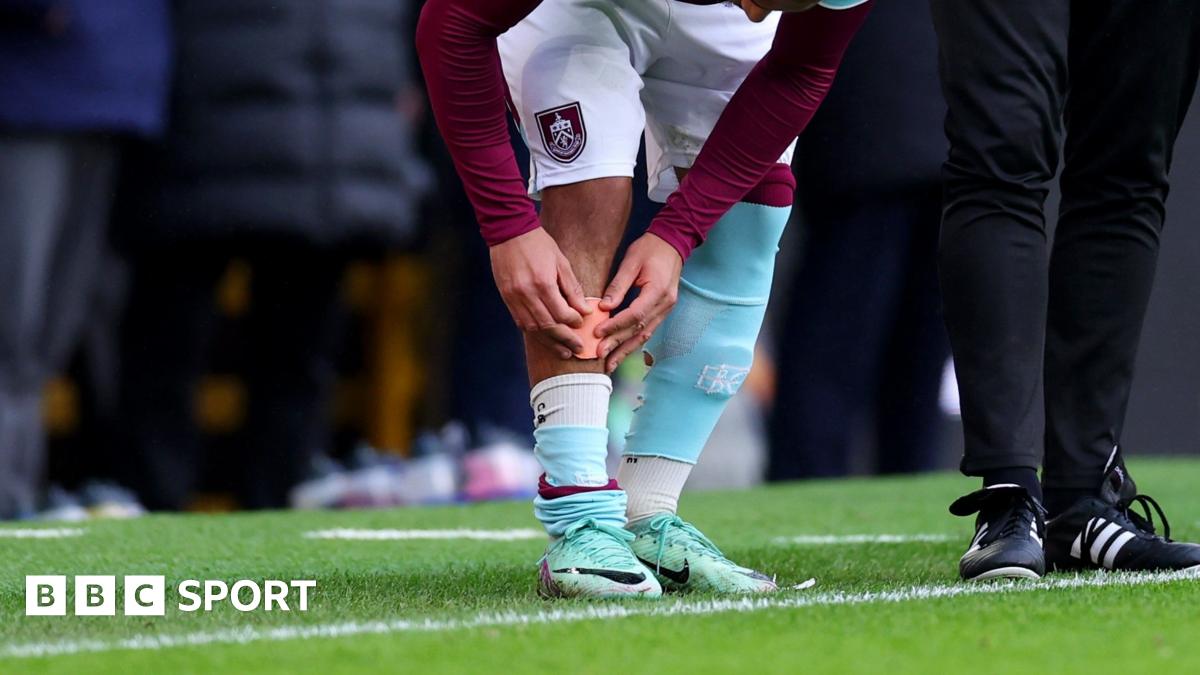
So what is behind the trend of extra-small shin guards, and why are they used instead of regular-sized pairs?
The Simple Answer: It's The Player's Choice
The straightforward explanation is that players can choose what size shin pads they want to wear.
The International Football Association Board (Ifab), responsible for the laws of the game, say shin pads are a mandatory piece of equipment players must wear while playing. Law 4.2 states that shin pads must:
- Be made of a suitable material
- Be of an appropriate size to provide reasonable protection and be covered by the socks
Players are responsible for the size and suitability of their shin pads. Crucially, the law does not define what an "appropriate" shin pad size is, leaving that decision to each individual player.
Shin pads provide vital protection for players to prevent serious injuries, yet there has been a rising trend in younger footballers, as well as some big stars, wearing small shin pads during matches. The reason for this could be for more comfort and to allow players to move around with greater ease.
Referees are only required to check that some form of shin guards are being worn, Ifab told BBC Sport.
Ifab added that players — or the parents or guardians of youth players — must take responsibility for their own safety on the pitch. While shin pad size is ultimately an individual's choice, any decisions around player safety would also be made in consultation with their club and medical staff.
Grassroots Clubs Begin To Ban Small Pads
Not everyone is comfortable with the trend. Grassroots football teams have started to ban small shin pads for safety reasons, with concerns that they do not cover the shins properly, which can lead to an increased risk of injury — especially at non-elite level.
In August 2024, a football club banned small shin pads after a youth player suffered a double leg break. Penistone Church player Alfie Collins broke his tibia and fibula in a tackle during a game. The teenager's shin pads, which were no bigger than a credit card, were similar to a size recently worn by some stars of the professional game.
Shin pads "play an important role in injury prevention as they are intended to protect the shin from injury", the Football Association said.
"'Micro' or 'mini' shin pads may therefore increase the risk of injury due to the smaller amount of shin covered compared to larger sized shin pads," they added.
The Bigger Picture
With the laws silent on a minimum size and referees tasked only with confirming that guards are being worn, the decision rests squarely with players, their clubs and their medical staff. That leaves a widening gap between the elite level, where comfort and freedom of movement are prized, and the grassroots game, where safety concerns are prompting outright bans.
This article is the latest from BBC Sport's Ask Me Anything team. This is a question by Jonathan in Colchester.