Charlie McAvoy's Family Letters Fueled His Olympic Gold Run With Team USA
A Private Source of Strength Behind a Public Triumph
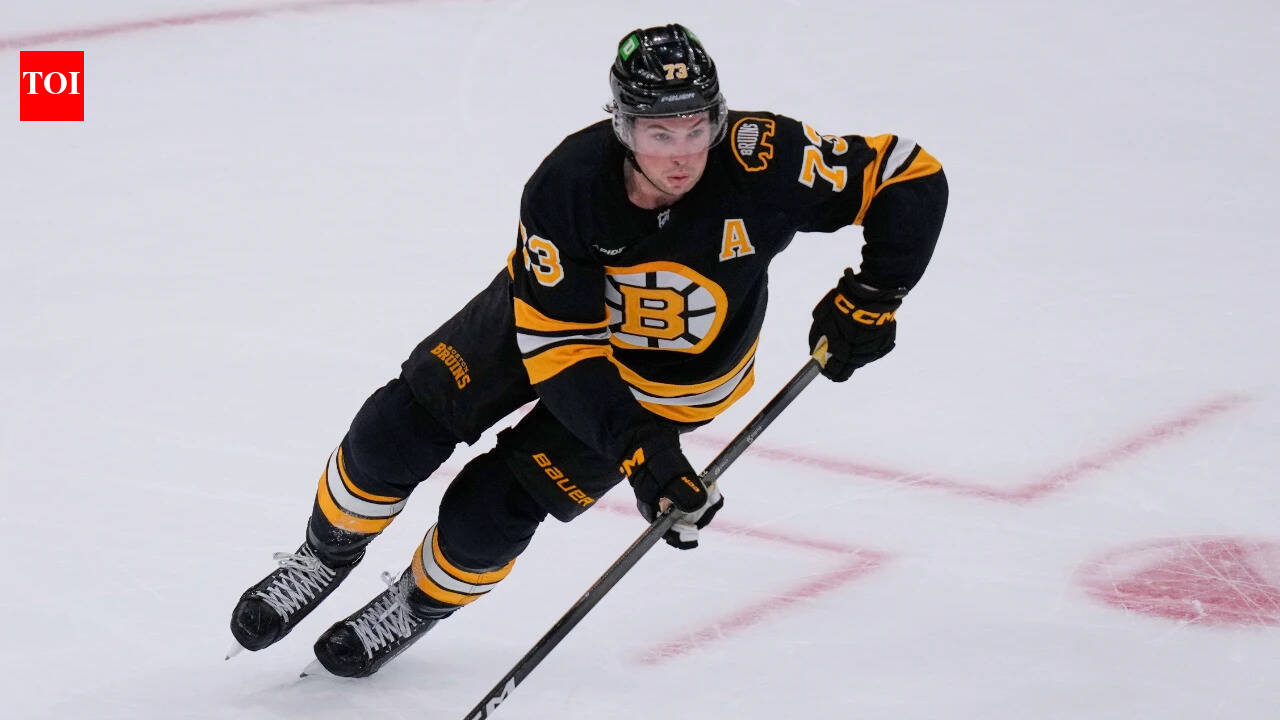
Winning an Olympic gold medal with Team USA in February 2026 was a defining moment of Charlie McAvoy's hockey career. The American team's 2-1 overtime win over Canada drew international attention, but McAvoy's journey to the top of the podium was also a deeply personal one.
His family's support served as a major source of motivation as he prepared for one of the biggest games of his career. Kiley, the wife of the Boston Bruins defenseman, compiled a collection of handwritten letters from family members — messages of encouragement from the people who had been there for him during tough times away from the rink.
How the Letters Helped Fuel Team USA's Gold
McAvoy's family compiled the letters to present to him as a reminder of the people standing behind him as he represented the United States at the 2026 Winter Olympics in Milan, Italy. The collection included messages from his parents, his sisters and his father-in-law Mike Sullivan, also a prominent hockey coach.
The defenseman read the letters after he arrived in Italy and returned to them before the gold medal game against Canada. The messages were all the more meaningful because of the timing, with the championship contest placing enormous demands on the American players.
For McAvoy, the letters were more than a motivational gesture. They were a mirror of the support system that had helped him through a difficult stretch in his personal and professional life, highlighting the value of family at a moment when the pressure to perform on the international stage was at its highest.
Kiley was crucial in assembling the messages, using personal notes from relatives to create a physical connection between McAvoy and his loved ones while he was away pursuing an Olympic title.
Overcoming Personal and Professional Setbacks
McAvoy's Olympic campaign followed a punishing period that included serious health problems. He arrived at the tournament having overcome a shoulder infection, a broken face and a dramatic weight loss — setbacks that made his return to the top level particularly difficult. He was patient and persistent in his recovery as he worked his way back into shape, a key part of his preparation for international play as a defenseman whose job includes battling, moving the puck and protecting the front of the net.
It wasn't just hockey that posed a challenge. McAvoy and his family were also dealing with a private health scare involving their young son, Rhys. The family has not released much information publicly, and their privacy should be respected.
Seen in that light, the Olympic victory meant far more to him emotionally than just a medal.
"It was a long year for my family, and I think they just felt like we deserved something good after all the uncertainty," McAvoy said of the team's mindset.
The gold medal became a moment of relief and celebration after a run of setbacks. It also gave McAvoy a chance to share a major professional accomplishment with the people who helped him along the way in his recovery. His experience demonstrated the connection between personal resilience and performance, with family encouragement acting as a powerful source of motivation even when it cannot substitute for medical care, rehabilitation or preparation.
A Historic Milestone for U.S. Men's Hockey
Team USA beat Canada 2-1 in overtime in the men's hockey gold medal game at the 2026 Winter Olympics in Milan. The result gave the United States its first men's Olympic hockey gold since the 1980 Winter Games, when the American team pulled off the famous "Miracle on Ice" victory.
McAvoy was a solid fixture on the American blue line, paired with Quinn Hughes and helping the team handle the pressure of Canada's attack. He made a key goal-line save in the third period that kept the United States' hopes alive. The overtime win stood as a signature victory for U.S. men's hockey in the tournament, one built on disciplined defending, timely saves and composure under pressure against a strong Canadian side.
Celebrating With the People Who Matter Most
The celebration was also an opportunity to recognize his family. After the decisive goal, McAvoy found his father, Charles McAvoy Sr., in the stands and shared an emotional embrace. He also draped his gold medal around his mother Jennifer's neck, celebrating the achievement with the person who had been there for him from the very beginning.
Those moments gave a personal element to the national celebration. The medal represented years of work at the highest level of hockey, but the hugs from his family honored the people who had been with him through the highs and lows. The letters from Kiley and other relatives were part of that larger story — not a replacement for his preparation or his teammates' efforts, but a reminder of the support behind his performance.
Ultimately, McAvoy's gold-medal journey was both an athletic achievement and a personal triumph, showing that big sporting moments are often determined by more than what goes on in a game. The Boston Bruins defenseman already had a historic win to savor, but the support of his family made it that much more special.