Leicester City Hit with Six-Point Deduction in Fight to Avoid Relegation
Leicester City Hit with Six-Point Deduction in Fight to Avoid Relegation
Leicester City's battle to avoid relegation to England's third tier has intensified after the club was handed a six-point deduction by the English Football League (EFL) for breaching Profit and Sustainability Rules (PSR).
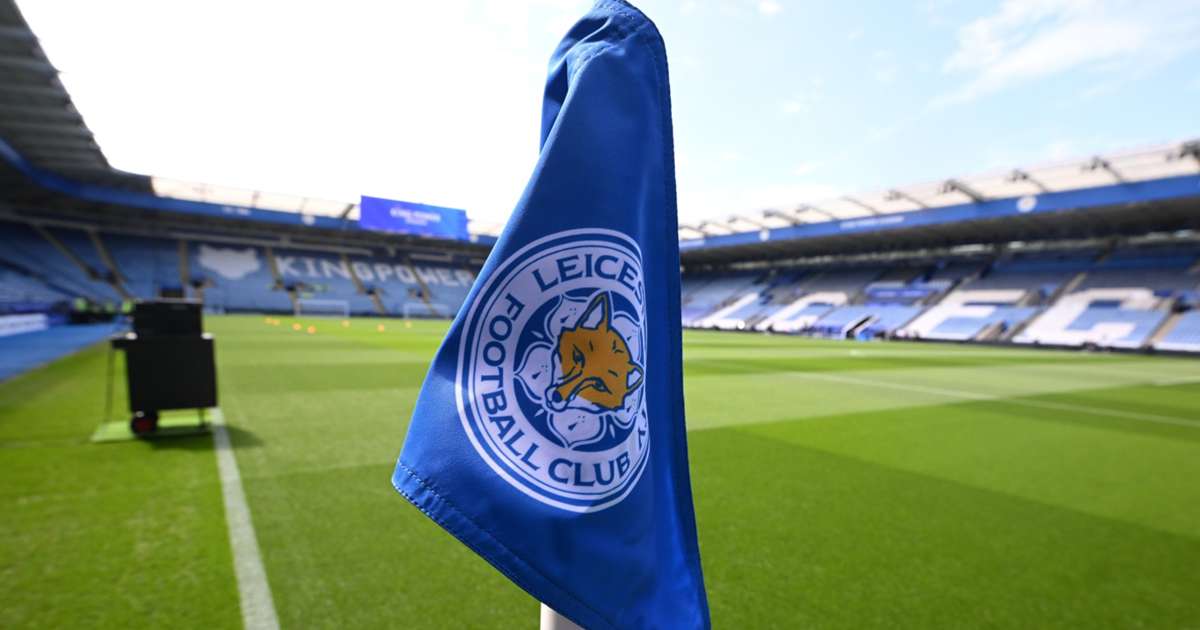
The sanction, applied immediately, dropped Leicester from 17th to 20th in the Championship table, placing them just above the relegation zone on goal difference. The decision stems from an investigation into PSR violations over a three-year financial period ending with the 2023–24 campaign. Originally initiated by the Premier League, the case was later transferred to the EFL.
The club, already struggling on the pitch—winless in their last four league games (D1 L3)—is also without a permanent manager after sacking Marti Cifuentes in January following a poor run of results and a toxic atmosphere at the King Power Stadium.
'Disproportionate' Penalty Sparks Appeal Talks
Leicester has hit back at the punishment, calling it "disproportionate" and claiming it fails to account for mitigating circumstances. In an official statement, the club said: "While the commission's findings significantly reduced the unprecedented scale of the sanction originally sought by the Premier League, the recommendation remains disproportionate and does not adequately reflect the mitigating factors presented... We are now reviewing the decision in full and considering the options available to us."
Sources indicate the Premier League initially sought a much harsher punishment, with some reports suggesting a larger points deduction was under consideration. However, the finalized six-point penalty still leaves Leicester in a precarious position, with survival now the sole priority.
From Premier League Glory to Survival Struggle
Just a decade ago, Leicester City stunned the world by winning the Premier League as 5,000-1 underdogs. Since then, they've captured the FA Cup and competed in European competitions. But their decline has been swift and severe.
After consecutive relegations from the top flight, the club has failed to address its underlying financial issues. Years of spending beyond revenue—particularly during unsuccessful Champions League qualification campaigns—left them vulnerable. In 2022, their losses reached £92.5 million, and repeated PSR breaches have now caught up with them.
Despite returning to the Championship with a record-breaking budget under Enzo Maresca last summer, the club's on-field performance never stabilised. Defensive fragility has plagued them—Leicester have gone 24 games without a clean sheet in the league.

Leadership Void and Fan Unrest
The club faces a leadership crisis with no permanent CEO or commercial director. Chairman Aiyawatt Srivaddhanaprabha (Khun Top) has been acting as interim chief executive but has been largely absent due to personal and professional commitments.
Fan frustration has boiled over, culminating in a high-profile boycott of the January home game against West Bromwich Albion. Reports suggest thousands of season ticket holders stayed away, leaving large sections of the stadium empty despite an official attendance of 27,130.
Internal missteps—including delayed staff payments before Christmas and stewards missing out on meal vouchers—have further damaged morale and brand trust.
Financial Fallout and Transfer Woes
The PSR breach stems largely from past transfer decisions and inflated player contracts that have become unsustainable. Stars like Wout Faes, Harry Winks, and Patson Daka were signed on lucrative deals, but performances haven’t matched expectations. Faes has been loaned to Monaco, while Boubakary Soumare recently exited for Al-Duhail in Qatar.
The club's attempts to offload high earners during the January window largely failed, as other clubs are unwilling to match their wage structure. Additionally, Ruud van Nistelrooy’s sacking on the eve of pre-season last year—reportedly timed to shift his compensation into the next financial year—highlighted how financial concerns have overtaken sporting ones.
Head coach Cifuentes turned increasingly to youth, giving opportunities to Ben Nelson, Louis Page, Silko Thomas, and Jeremy Mong, as he distanced himself from senior, high-cost players.
Road to Recovery
Leicester’s path to recovery will be long. Key players including Jordan Ayew, Ricardo Pereira, and Harry Winks are set to leave this summer, offering some financial relief. Vestergaard, De Cordova-Reid, and Choudhury follow in 2027.
Only after shedding these legacy contracts and appointing a stable leadership team—including a technical director and commercial head—can the club begin to rebuild.
For now, survival is paramount. Leicester is weighing a potential legal challenge against the deduction. But as one of English football’s most extraordinary success stories now faces the real threat of a fall into League One, the club stands at a crossroads unlike any in its recent history.