Safe Splashes: Identifying Common Snakes Found Near Hotel Swimming Pools and How to Avoid Them
For many travelers, a hotel swimming pool is a sanctuary of relaxation—a refreshing escape from the tropics or the perfect way to unwind after a day of sightseeing. However, in resorts surrounded by lush gardens, riverbeds, and dense vegetation, wildlife encounters are a possibility. While finding a snake in a hotel pool is not common, being aware of the species that wander into these areas can help tourists enjoy their vacations safely.
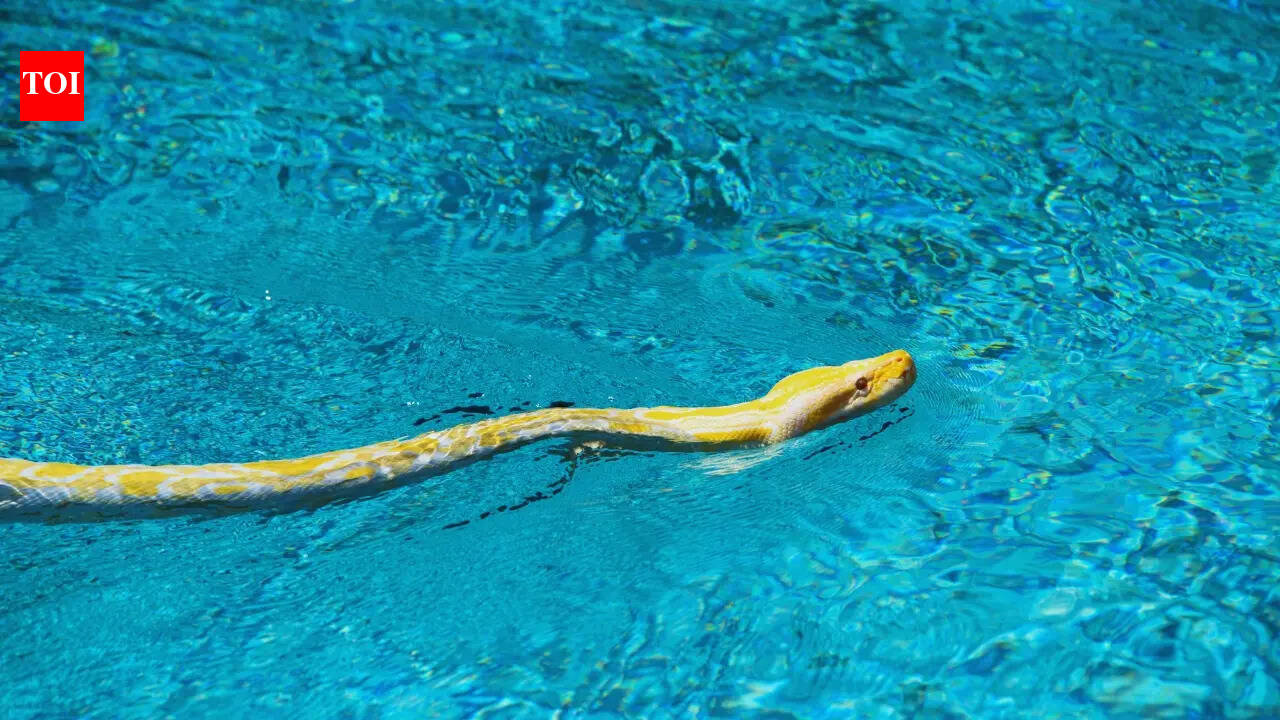
Most snakes that end up in swimming pools are non-venomous and are typically seeking water, hunting for food, or have accidentally fallen in and are struggling to find a way out.
Common Species to Watch For
1. The Checkered Keelback (Asian Water Snake)
Known as an excellent swimmer, this non-venomous reptile thrives near ponds, lakes, and marshes. Hotel pools located near wetlands may attract frogs and fish, which are the primary prey for the checkered keelback. While it may appear aggressive or flatten its body when disturbed, it poses no threat to humans.
Traveler's Tip: Scan the water surface and the pool's edges before jumping in; trapped snakes are often seen circling the perimeter looking for an exit.
2. The Indian Rat Snake
One of India's longest and most flexible snakes, the rat snake is a capable swimmer found in both urban and rural settings. They often enter resorts in pursuit of rodents, birds, and frogs. Because of the steep walls of swimming pools, these non-venomous snakes often struggle to climb out once they have fallen in.
Traveler's Tip: Inspect pool ladders, corners, and skimmer areas, especially in accommodations surrounded by dense vegetation.
3. The Green Keelback
Found primarily in peninsular India, this small, mildly venomous snake prefers moist gardens and humid environments, making it more likely to appear during monsoon showers. Its green coloration allows it to blend seamlessly into poolside greenery.
Traveler's Tip: Take a moment to check shrubs, hedges, and poolside planters before settling down near the water.
4. The Worm Snake
Slender and resembling an earthworm, this harmless, non-venomous species favors wetlands and irrigated lawns. Because of their appearance and habitat, they are often difficult to notice until they are stepped upon.
Traveler's Tip: Avoid walking barefoot through overgrown grass around the pool area, particularly in the evening or after it has rained.
5. The Common Wolf Snake
Active primarily at night, the wolf snake is often found in residential areas and resorts while hunting geckos. During the monsoon, they may hide under deck chairs, in utility rooms, or near external lights. Due to its dark color and white stripes, it is frequently mistaken for the venomous common krait.
Traveler's Tip: Check beneath poolside loungers and around outdoor furniture before sitting down, especially at nature resorts during the rainy season.
Final Precautionary Summary
While these encounters are rare, a quick visual sweep of your surroundings can ensure a stress-free swim. Remember to check the perimeter, the furniture, and the surrounding greenery before diving into the cool blue waters.