Sardarji Omelette Wale: “Before Dying My Son…” – The Story of an 82-Year-Old Man Who Sells Bread Omelette to Survive
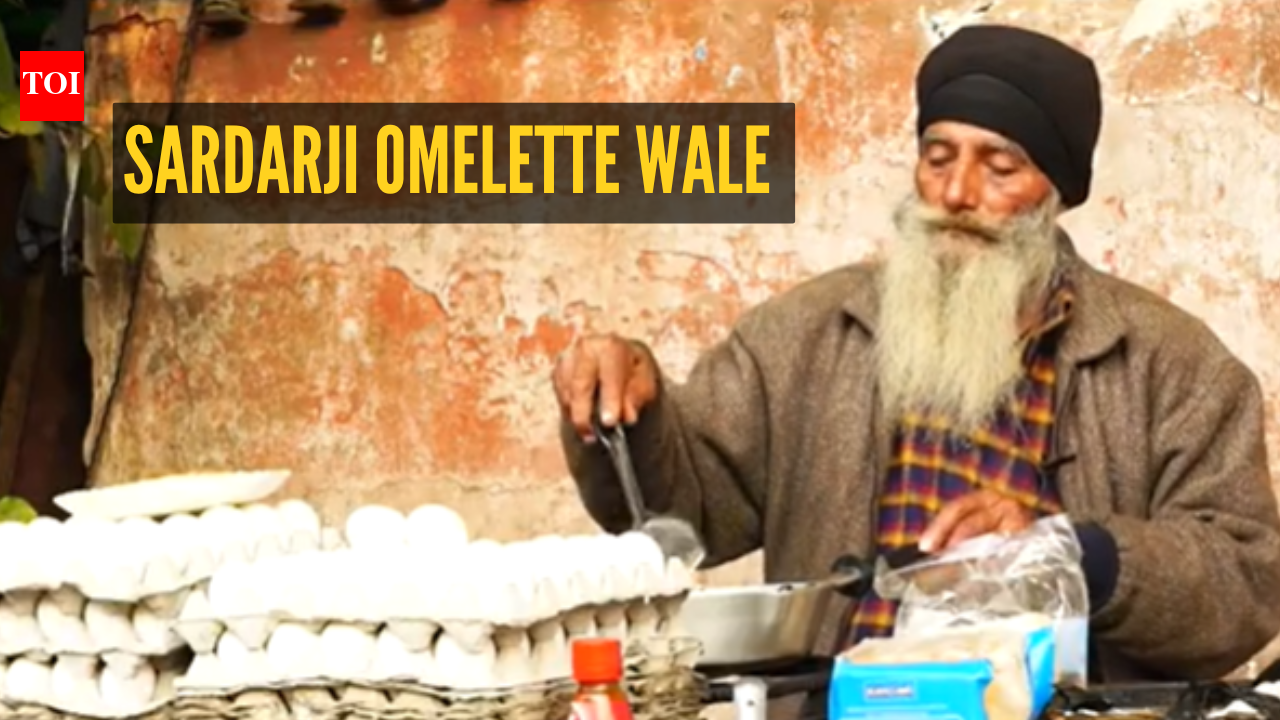
Bread Omelette is more than just a popular street snack in Delhi—it’s a lifeline, a memory, and a quiet act of resilience for 82-year-old Balbir Singh, affectionately known as Sardarji Omelette Wale or Omelette Uncle. Every evening, near the Supreme Court Metro Station (formerly Pragati Maidan), commuters find him meticulously preparing omelettes, not just for a living, but in the fading warmth of a son’s last gift to him.
A Recipe Born from Grief
Balbir Singh’s journey is one of profound loss and quiet dignity. He arrived in India during the Partition and built a life filled with love—marrying and raising three sons with his wife. But tragedy struck repeatedly. His first son passed away in 1987, followed by his wife in 1992. Six years later, his second son died, and in 2013 and 2016, he lost his third son and then his grandson.
Left completely alone, Singh continued working in cycle and car repair, a job he could no longer sustain as age caught up with him. With waning strength, he made a heart-wrenching yet determined decision—to start a small bread omelette stall.
“Before he passed away, my son taught me how to make it,” Singh shares, his voice soft with memory. “I learned by observing him. But I never knew that after he left, this dish would be my only companion in life.”
The Taste of Tradition and Love
What sets Sardarji’s bread omelette apart isn’t just taste—it’s ritual. A perfectionist by habit, Singh prepares every element with meticulous care. He chops onions and green chillies on a wooden board crafted from an old window frame, and dries his pans and steel spatula with pieces of a gamcha (a traditional cotton towel).
His unique selling point? Mini packs of desi ghee used to cook both the omelette and toast the bread. For those who avoid ghee, refined oil is available—but the rich aroma remains consistent. He enhances the flavor with jeera and ajwain masala, serves ketchup on the side, and encourages customers to sit and eat “with ease and comfort”.
“If the taste isn’t good, the customer won’t like it. So I make sure that my food smells and tastes good,” he says.
A Stall Built from Strength and Stones
His daily routine is a testament to endurance. Singh begins his day with tea, prepares a meal, and heads to Daryaganj market by 2 pm to buy eggs, bread, and vegetables. By 4 pm, he’s back chopping vegetables, and then assembling his makeshift stall—entirely by himself.
Using big rocks, cardboard, two tires, and a wooden plank for balance, he creates a sturdy setup that mirrors his own resilience. Before serving the public, he offers the first omelette in the name of God, taking one bite himself to begin his daily labor, which runs until 11:30 pm.
Faith, Dignity, and Community
Many of his customers are regulars—judges, clerks, court staff, and late-night travelers—who have become like family. They often check in on him, help with medicines, and provide winter essentials when the Delhi cold bites.
At an age when most retreat, Singh pushes forward with unwavering faith. A believer in karma and hard work, he says, “Maalik ab rakhta hoon (I now leave it to God); aap kal seva ka mauka de sako to shaam ko aa jana (if you can give me the opportunity to serve you tomorrow, please come by in the evening).”
In every omelette he flips, there is love. In every bite his customers take, there is a story. And in every quiet evening he spends under the streetlight, Balbir Singh reminds us that dignity, love, and survival can be served on a piece of toasted bread.