Power Unit Dispute: Why Max Verstappen is Threatening to Quit Formula 1
Max Verstappen's future in Formula 1 is currently hanging in the balance, as the three-time champion has repeatedly suggested he could walk away from the sport at the end of the season. At the heart of his frustration is a contentious dispute over power-unit regulations that many believe dictate the "natural" feel of racing.
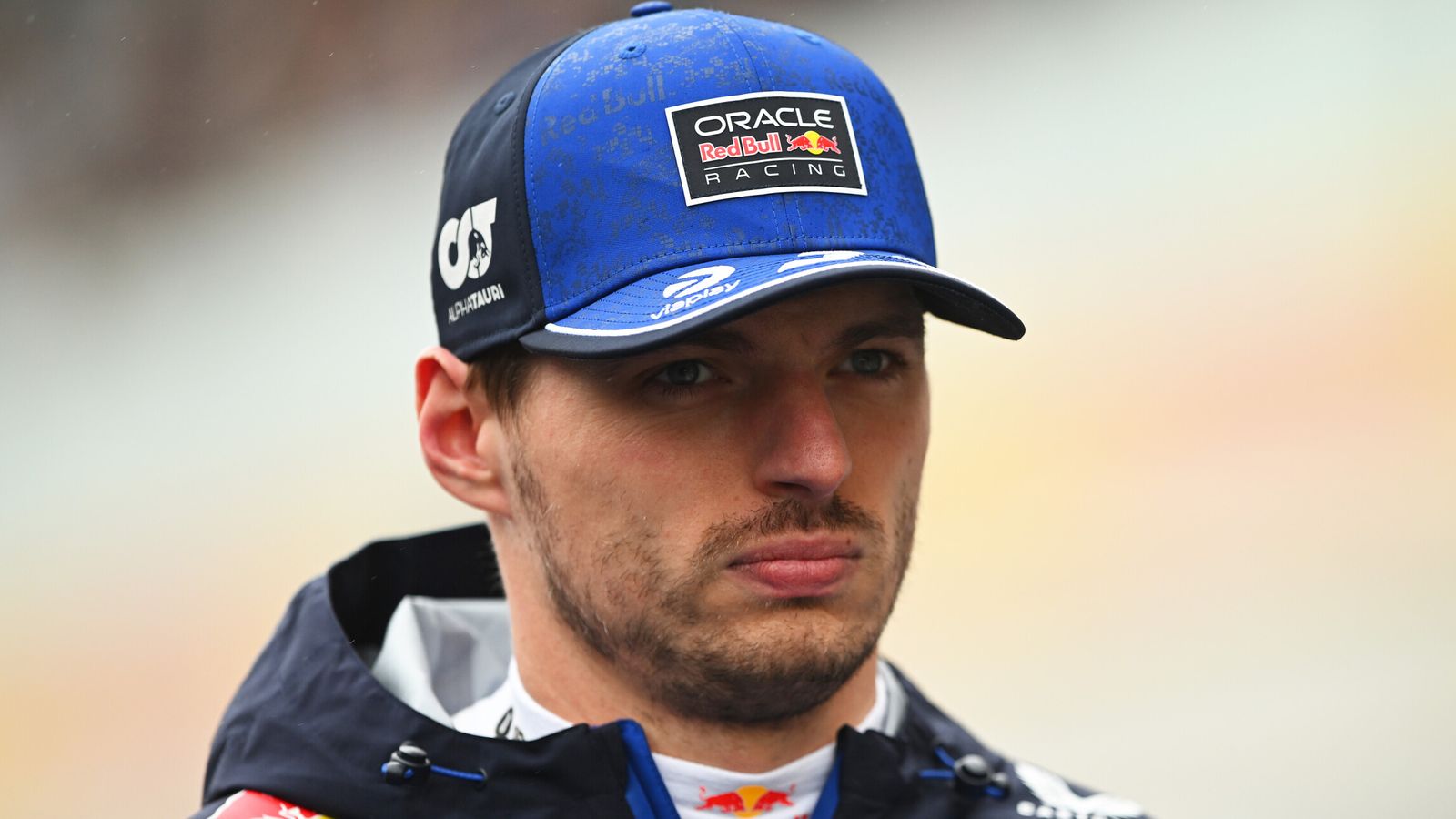
The Battle Against 'Anti-Racing'
Verstappen's discontent stems from the current energy management systems, which he claims stifle the purity of the competition. Speaking in Montreal, the Red Bull driver described the current setup as "a joke," noting that the need to manage energy deployment often forces drivers to lift and coast or change gears in a way that contradicts the spirit of racing.
"You try to push more. Then you have less energy, it's clipping more, and then you have to use a different gear, so you go slower in the corner but faster in the next straight. It has nothing to do with racing for me. It's really, really frustrating," Verstappen stated.
The driver emphasized that these regulations, particularly during qualifying, feel like "anti-driving and anti-racing," contrasting the experience with the more "pure" feel of other motorsports.
The 60-40 Proposal: A House Divided
To address these issues, a proposal has been floated for 2027 to change the power balance of the units. Currently, the split between internal combustion and electrical power is roughly 50-50. The proposed change would shift this to a 60-40 split, favoring the internal combustion engine. This move would theoretically allow drivers to push flat out in qualifying without the need for heavy energy harvesting.
However, for this change to be implemented, four of the six manufacturers on the Power Unit Advisory Committee must agree. Currently, a deadlock has emerged:
- In Favor: Mercedes and Red Bull.
- Against: Audi, Ferrari, and Cadillac.
- Undecided: Honda.
Why Manufacturers are Resisting
The opposition is rooted in both competitiveness and cost. Ferrari, currently possessing one of the less powerful units, believes they can close the gap using the Additional Development and Upgrade Opportunities (ADUO) catch-up mechanism without requiring a full regulation change. Meanwhile, Audi is concerned about the additional costs associated with modifying power units, which could also impact teams wanting to carry over their current chassis into the next year.
Red Bull team principal Laurent Mekies remains optimistic, stating, "When it comes to what matters for the sport, I think at some stage we will all put on the side what we feel it may or may not do to our relative competitiveness to do a step in the right direction for the sport."
A Genuine Threat or Political Play?
While some speculate that Verstappen's threats are a tactical move to pressure manufacturers into agreeing to the 2027 changes, others point to his history of straight-talking honesty. When asked if he would consider a sabbatical in 2027 and return in 2028, Verstappen dismissed the idea, saying, "No. There's a lot of other fun things out there."
With a deadline of late June for these regulations to be confirmed to allow teams sufficient development time, the clock is ticking on whether Verstappen's vision of "natural racing" will return—or if he will seek that thrill elsewhere.