Uri Attack Set India on Course for Surgical Strikes Ten Years Ago
Ten days from Uri to the Line of Control
Ten years ago, the September 18, 2016, terror attack on an Army camp in Uri set India on a path toward one of its most consequential military responses in decades. On the night of September 28-29, Indian Special Forces crossed the Line of Control and struck terrorist launch pads in Pakistan-occupied Kashmir, according to the Indian Army.
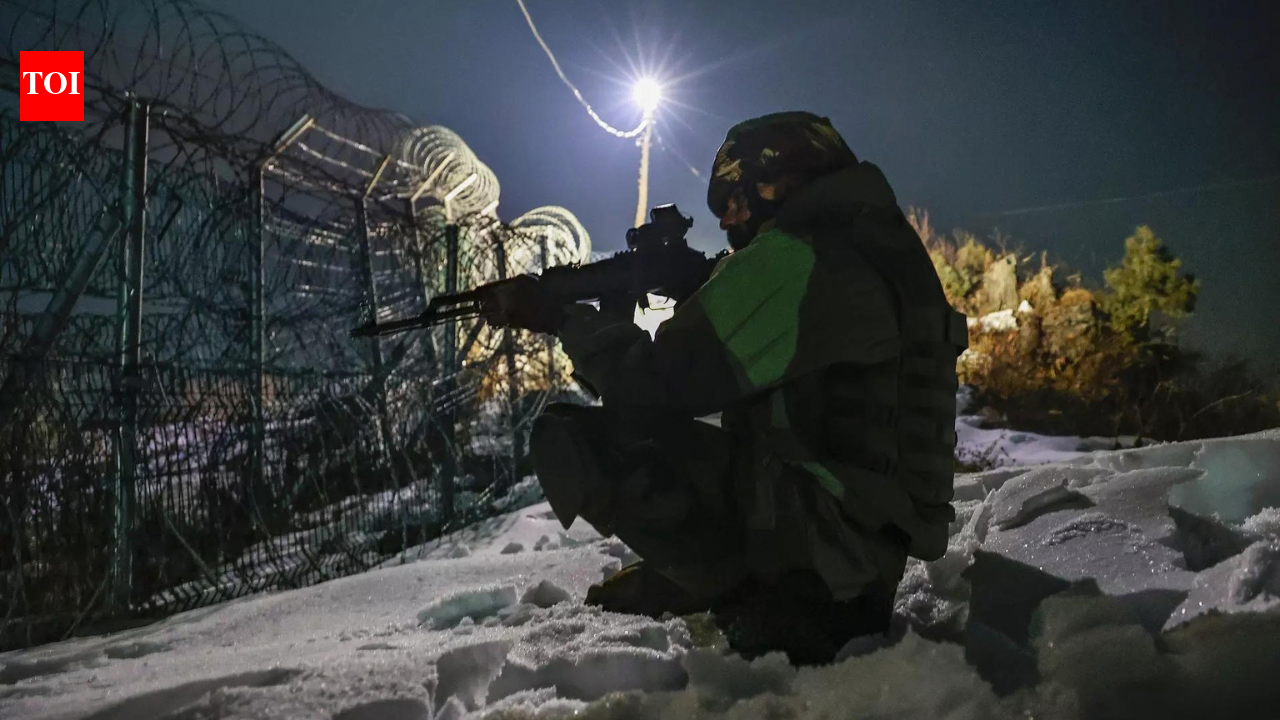
The operation was presented as a calibrated response to Pakistan-backed terrorism rather than a conventional attack on Pakistan. Its significance lay not only in the targets hit, but also in the decision to cross the LoC, strike terrorist infrastructure and withdraw without opening a full-scale war with a nuclear-armed neighbour.
The attack that changed the calculation
At around 5:30am on September 18, four heavily armed terrorists attacked the Army’s 12th Brigade headquarters in Uri, Jammu and Kashmir. The assault hit a rear administrative camp as troops were changing over, with personnel from the incoming 6 Bihar unit replacing the outgoing 10 Dogra unit. Many soldiers were sleeping in temporary tents when explosions and gunfire set the camp ablaze.
Seventeen soldiers were killed in the initial attack and two more later died of their injuries, taking the toll to 19. The four attackers were also killed. The human cost was felt across the country, including by the families of Havaldar Nimb Singh Rawat and Havildar Ravi Paul Salotra. Salotra’s 10-year-old son, Vansh, said he wanted to become an Army doctor to fulfil his father’s dream.
‘Will not go unpunished’
Prime Minister Narendra Modi condemned what he called a “cowardly terror attack” and assured the country that those responsible “will not go unpunished.” Home Minister Rajnath Singh cancelled a planned foreign visit, convened a security review and said there were indications that the attackers were highly trained, heavily armed and specially equipped.
Singh also described Pakistan as a “terrorist state” and called for it to be identified and isolated. But the initial response was not an immediate military strike. The government first had to establish the attackers’ links, assess the risk of escalation and determine what form retaliation should take.
A response planned on India’s terms
Within a day, National Security Adviser Ajit Doval was chairing discussions involving senior intelligence and military officials. Contemporary accounts described a determination to avenge the deaths, but “at a time of our choosing.” BJP general secretary Ram Madhav captured the public anger with the phrase: “For one tooth, the complete jaw.”
Behind the rhetoric, however, officials were weighing the danger of a Pakistani response. Diplomatic pressure was mobilised internationally, while the Army monitored launch pads and infiltration routes along the LoC. The military question was no longer simply whether India could strike, but whether it could do so precisely, at limited depth and with a clear route to withdrawal.
From political signal to military operation
By September 23, the proposed targets had been narrowed to terrorist launch pads near the LoC, where militants were allegedly preparing to infiltrate Jammu and Kashmir. The plan called for Special Forces to cross the LoC, hit the launch pads and return before daybreak.
On September 24, Modi met the chiefs of the Army and Air Force and the vice chief of the Navy, with Doval present. At a rally in Kozhikode later that day, he said India would never forget the soldiers killed in Uri and warned that those responsible would be held accountable.
In the following days, the Special Forces contingent was divided into smaller groups and moved toward forward positions. Later accounts described the troops crossing gaps in Indian minefields after last light, negotiating difficult terrain affected by rain and landslides, and keeping the target areas under surveillance. The Army later said the mission was based on “very credible and specific information” about terrorist teams positioned at launch pads and preparing to infiltrate.
The night India crossed the LoC
As darkness fell on September 28, the operation entered its decisive phase. The teams moved toward their targets, carried out the strikes and began withdrawing toward Indian positions before daylight. The political leadership had kept knowledge of the mission tightly restricted, while the soldiers faced the immediate risks of mines, terrain, enemy fire and the possibility of a wider confrontation.
The surgical strikes became a defining example of the Modi government’s more assertive counter-terrorism posture and its later “zero tolerance” messaging. Their roots, however, lay in the 10 days after Uri: a period in which grief and public anger were converted into a controlled military decision designed to punish terrorist infrastructure without triggering a traditional war.