From Schlesser to Bearman: the greatest super-subs in Formula 1 history
As Liam Lawson prepares for an unexpected second chance at Red Bull Racing during this weekend's Dutch Grand Prix at Zandvoort — filling in for the injured Isack Hadjar, with Yuki Tsunoda returning to familiar surroundings at Racing Bulls — Formula 1 is once again turning its attention to the drama and unpredictability that substitutes can bring.
Lawson's recall comes three years after he himself debuted at Zandvoort in place of an injured Daniel Ricciardo, and marks a return to a Red Bull seat following his short-lived stint in 2025. But can he and Tsunoda shine like the greatest super-subs to have ever graced the sport? Here are ten unforgettable stand-in performances.
Jean-Louis Schlesser – Williams, 1988
Williams endured an uncompetitive 1988 season with its unloved and unreliable Judd engine. When lead driver Nigel Mansell was sidelined by chickenpox for a pair of Grands Prix, Martin Brundle filled the void in Belgium while 39-year-old test ace Jean-Louis Schlesser was called up in Italy.
Schlesser went down in history at the end of the race at Monza after a clash with race leader Ayrton Senna as the McLaren driver tried to lap him. With Alain Prost already out, it ruined McLaren's hopes of a clean sweep in 1988 and handed an emotional 1-2 home victory to Ferrari, weeks after the death of founder Enzo Ferrari.
Alex Wurz – Benetton, 1997
Wurz charted an unusual path to F1 — from BMX racing via a Le Mans triumph that secured him a test for Benetton when Flavio Briatore honoured a promise. He was called up in Canada when Gerhard Berger was sidelined with a sinus issue, and he later claimed a maiden podium with third place on his third and final outing in Britain. He went on to spend three years racing for Benetton before a long McLaren test stint, which yielded a second stand-in appearance in 2005 when he replaced an injured Juan Pablo Montoya at Imola.
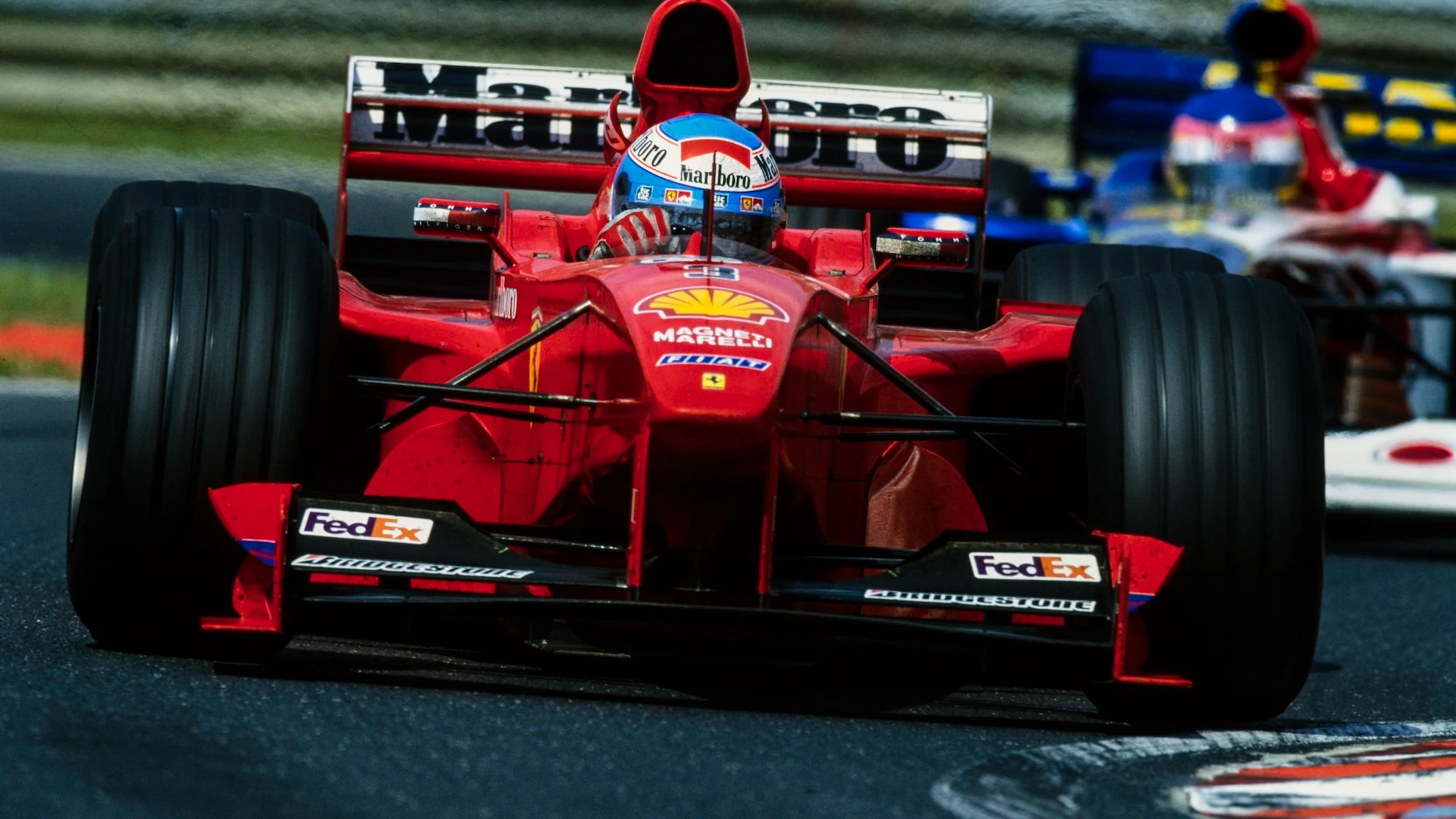
Mika Salo – Ferrari, 1999
After an odyssey through the lower midfield with Lotus, Tyrrell and Arrows, Salo was without a drive for 1999. He stood in for BAR but was later drafted by Ferrari after Michael Schumacher broke his leg at Silverstone, joining spearhead Eddie Irvine. Salo shone in Germany, out-qualifying Irvine and leading the race at Hockenheim — only to dutifully pull aside to let Irvine through for a crucial championship victory. He added another podium at Monza, and his heroics helped land him a Sauber seat for 2000.
Sebastian Vettel – BMW-Sauber, 2007
The future four-time champion was already making waves, and after Robert Kubica's massive crash in Canada, Vettel got the nod at Indianapolis — surviving an excursion on the opening lap to score a points finish in eighth. Kubica returned in France, but Vettel had to wait only three more events for his full-time chance, replacing Scott Speed at Toro Rosso and beginning a partnership with the Red Bull family that yielded four straight titles.
Luca Badoer – Ferrari, 2009
Badoer's return proved a brutal reality check. Called up following Felipe Massa's awful head injury and with Michael Schumacher's planned comeback scuppered by a neck problem, the long-time Ferrari tester made his comeback after a decade away. But experience was not enough: at Valencia he was last in qualifying, 1.5 seconds off the pace, and last in the race. Ferrari brought in Giancarlo Fisichella for the rest of the year.
Kamui Kobayashi – Toyota, 2009
Kobayashi's F1 prospects seemed slim until Timo Glock's fractured vertebra opened a door. After an aggressive spell that featured thrilling battles — most notably against Jenson Button at Interlagos — he scored points with sixth in Abu Dhabi. Though Toyota withdrew for 2010, Sauber took notice of his stand-in performances and signed him up.
Stoffel Vandoorne – McLaren, 2016
Vandoorne had dominated GP2 in 2015, but had to wait for his chance. An F1 seat came sooner than expected when Fernando Alonso failed his pre-event medical in Bahrain following his massive accident in Australia. Making the long trip to Sakhir, Vandoorne performed strongly, scoring a point on debut despite the limitations of the machinery. A full-time seat beckoned for 2017, though a poor second year saw him ousted after 2018.
George Russell – Mercedes, 2020
Russell self was already a full-time Williams racer in 2020 when Lewis Hamilton's positive Covid-19 test in Bahrain prompted Mercedes to call him up for the Sakhir GP. He thrived and passed Valtteri Bottas to control the race until a chaotic pit lane tyre mix-up and subsequent puncture derailed his chances. Remarkably, the Safety Car that triggered the mishap was caused by his own William's substitute, Jack Aitken. Hamilton returned for Abu Dhabi, but Russell had underlined his front-running ability and was chosen over Bottas for 2022.
Nyck de Vries – Williams, 2022
De Vries was a long-time McLaren junior whose F1 chance never arose, instead winding up as Mercedes back-up. When Alex Albon was benchmarked by appendicitis at Monza, De Vries was parachuted in and converted an eighth-place qualifying into a fine ninth. He was voted Driver of the Day and found himself firmly in the shop window, with AlphaTauri signing him for 2023 — though he then lasted only 10 Grands Prix before being sacked.
Ollie Bearman – Ferrari, 2024
Bearman's chance came earlier than expected when a bout of appendicitis for Carlos Sainz ruled the Ferrari regular out in Saudi Arabia in 2024. Called up prior to Saturday practice, Bearman narrowly missed out on Q3 before climbing to an impressive seventh, becoming the then third-youngest racer in F1 history. Two further stand-in appearances with Haas — where he had already signed as reserve — gave him more chances to impress, and he stepped up full-time with the American outfit for 2025.
Will Lawson and Tsunoda now write their own chapters in the long and colourful history of the Formula 1 super-sub?