Everything You Need to Know About the 2026 Canadian Grand Prix at Circuit Gilles Villeneuve
A Historic Venue Enters a New Era
Formula 1 returns to Montreal this weekend for the Canadian Grand Prix, and there's plenty of intrigue surrounding Round 5 of the 2026 season. Not only is it the first Sprint weekend to be held at the Circuit Gilles Villeneuve, but it also marks a significant moment in the circuit's rich history as Canada prepares to celebrate its 55th Grand Prix and the 45th edition in Montreal.
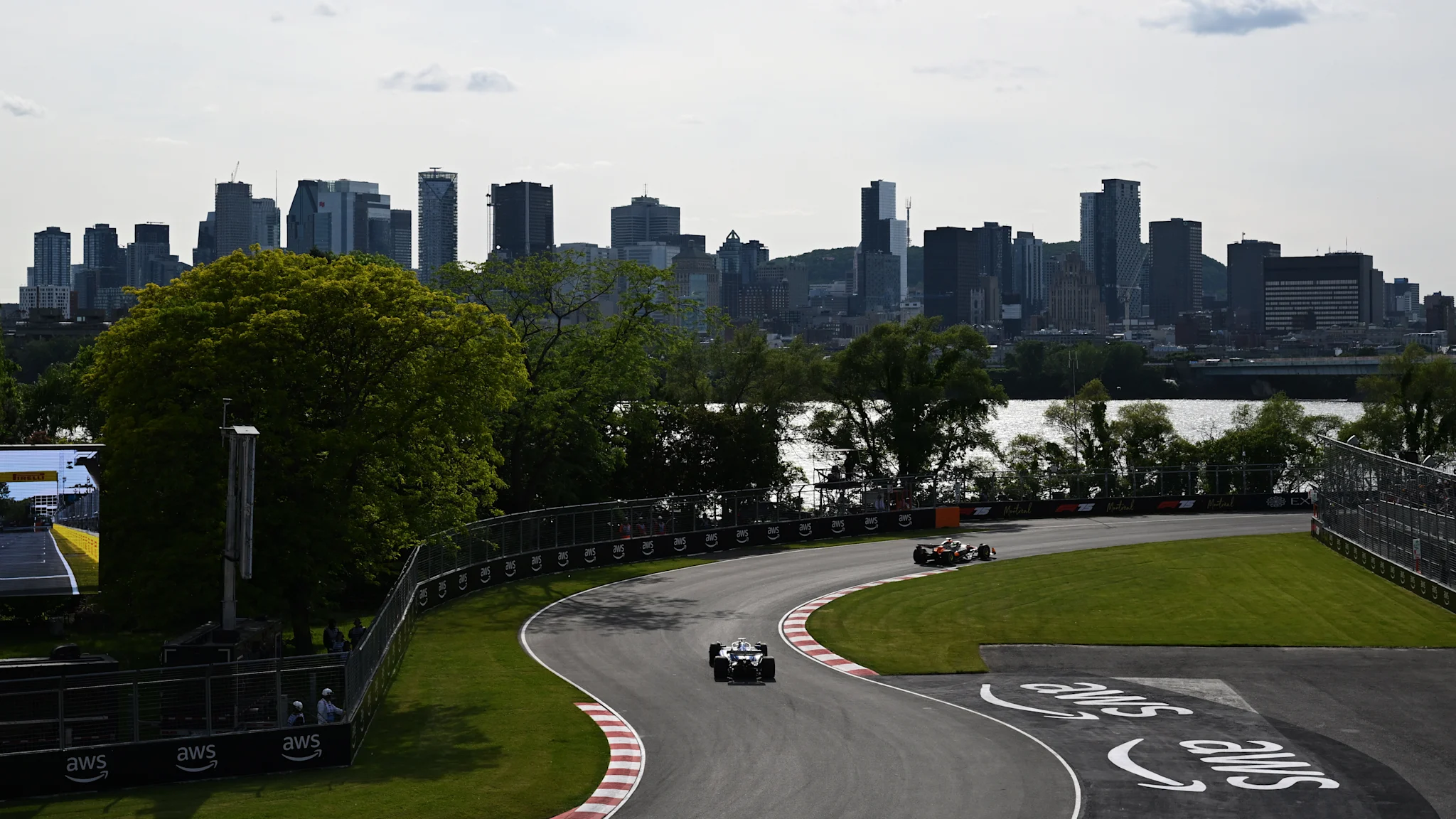
The iconic street circuit, situated on Île Notre-Dame in the middle of the St Lawrence River, has been the home of Canadian motorsport since 1978. Originally built using roads from the island created for Expo 67, the track was renamed in honor of local hero Gilles Villeneuve following his tragic death, a fitting tribute to the driver who scored his maiden F1 victory in the inaugural race at this very circuit.
Circuit Characteristics and Driving Experience
With a length of 4.361km featuring 14 corners, the Circuit Gilles Villeneuve presents a unique challenge to drivers. Former Renault F1 driver Jolyon Palmer, who spoke about the circuit experience, captured its essence perfectly: "Canada is a really nice track to drive, and you get a sense of atmosphere going around it. Overhanging trees give it the feel of a park, and it feels like a street circuit – in essence, it is."
The circuit's defining characteristic is its so-called stop-and-go nature, making strong braking stability and maximum traction performance crucial. The track features a combination of flat-out blasts, tight, tricky chicanes, and an almighty slam of the brakes for the hairpin.
"There are a lot of slow-speed corners, the walls are very close in a lot of places, but it's a great racetrack," Palmer explained. "You need a good front-end to get your car turned into the chicanes, which are pretty much everywhere. Then there's the hairpin, which launches you into an overtaking area at the final chicane."
The most iconic piece of the circuit comes right at the end of the lap: the Wall of Champions. Named after Damon Hill, Jacques Villeneuve, and Michael Schumacher all crashed into it during the 1999 Canadian Grand Prix weekend, the wall remains a formidable challenge for drivers pushing to the limit.
Technical Insights: Straight Mode and Overtake Detection
As Formula 1 continues to evolve with new aerodynamic regulations, understanding the technical aspects of the circuit becomes crucial. In Canada, there are three designated Straight Mode zones: along the start/finish straight, between Turns 7 and 8, and finally between Turns 11 and 13.
Straight Mode allows cars to reduce their drag, making them more efficient when accelerating up towards top speed. The rear wing continues to open up a gap while the uppermost front wing elements drop down simultaneously, providing maximum downforce in corners but less drag on straights.
The Overtake Detection marker at the Circuit Gilles Villeneuve comes just before the entry to Turn 13, while the Overtake Activation line follows at the exit of Turn 14, heading onto the start/finish straight. This creates a prime overtaking opportunity as drivers battle for position into the final corners.
Tyre Strategy and Pirelli's Preview
Pirelli will supply the three softest compounds in their range for this weekend: the C3 as the hard tyre, the C4 as the medium, and the C5 as the soft. The track surface, which was resurfaced in 2024, is smooth and low in abrasiveness.
"The track surface is smooth and low in abrasiveness," reads Pirelli's weekend preview. "It is used for motor racing only during the Formula 1 weekend and, as a result, the circuit evolves very quickly, not only over the three days but also within each individual session."
Last year, graining affected the tyres right through to race day. With the new tyres, the phenomenon should be more limited and, thanks to the improving track conditions, could already disappear after Friday.
"The soft is clearly the compound with the best warm-up of the three and will offer optimal grip over a single lap," Pirelli noted. "It could therefore be the favorite for Saturday's Sprint, but the following day teams may opt for a more conservative approach, tackling the Grand Prix on the two harder compounds."
Championship Battle Heats Up
As the season reaches its fifth round, the championship battle is heating up nicely. Kimi Antonelli heads to Montreal leading the Drivers' standings by 20 points over teammate George Russell after securing his third consecutive victory in Miami – the first time a driver has converted their first three pole positions into wins.
However, the Circuit Gilles Villeneuve is a venue where Russell has performed exceptionally well in the past, having won from pole position at last year's event. The Mercedes racer will be eager to close the gap to his Italian teammate.
Mercedes will bring an upgrade to the W17 in Canada, but they'll face stiff competition. McLaren, Red Bull, and Ferrari all made significant progress in Miami, with Lando Norris winning the Sprint before sharing the podium with Oscar Piastri in a 2-3 result. Max Verstappen experienced an encouraging performance in the Red Bull following a tough start to the season, prompting Team Principal Laurent Mekies to hail it as an "important step forward."
Key Statistics and Trivia
The Canadian Grand Prix has produced some memorable moments throughout its history. Canada played host to the longest race in F1 history in 2011, with Jenson Button winning in a time of four hours, four minutes and 39 seconds.
Lewis Hamilton and Michael Schumacher have won the most Canadian Grands Prix with seven victories each, while Ferrari have dominated in Montreal with 11 victories – the most of any team at this circuit.
The lap record at Circuit Gilles Villeneuve stands at 1m 13.078s, set by Valtteri Bottas in 2019 driving for Mercedes. With an 83% Safety Car probability and 33% Virtual Safety Car probability based on the previous six races in Canada, teams will need to be prepared for potential interruptions.
Robert Kubica's victory in 2008 remains one of the most memorable moments in Canadian Grand Prix history. After a terrifying crash in 2007 that forced him to miss the next round, the Polish driver returned to Montreal to grab a spot on the front row and capitalize on drama around him – including an unusual collision between Lewis Hamilton and Kimi Räikkönen in the pit lane – to emerge victorious. It would go down as Kubica's one and only Grand Prix win.
Weekend Schedule
With the Sprint format making its third appearance of the campaign, Free Practice 1 and Sprint Qualifying will take place on Friday, May 22, followed by the Sprint and Qualifying on Saturday, May 23, and the Grand Prix itself on Sunday, May 24.