F1's halo: Titanium cockpit shield that saved Grosjean, Zhou and Hamilton since 2018 debut
What the halo is — and why it sits above every F1 cockpit
The halo is a curved, wishbone-shaped structure that surrounds the cockpit of a Formula 1 car. First introduced in 2018 to improve driver safety, the device is attached to the car in three places, surrounding the driver's head at the top of the cockpit and attaching to the front of the car.
According to the BBC, the design "provides the least obstruction to drivers while they race on the track." It acts as a shield, deflecting or absorbing impact from major accidents and flying debris. The bar itself is made of titanium and is engineered to hold the weight of a London double-decker bus.
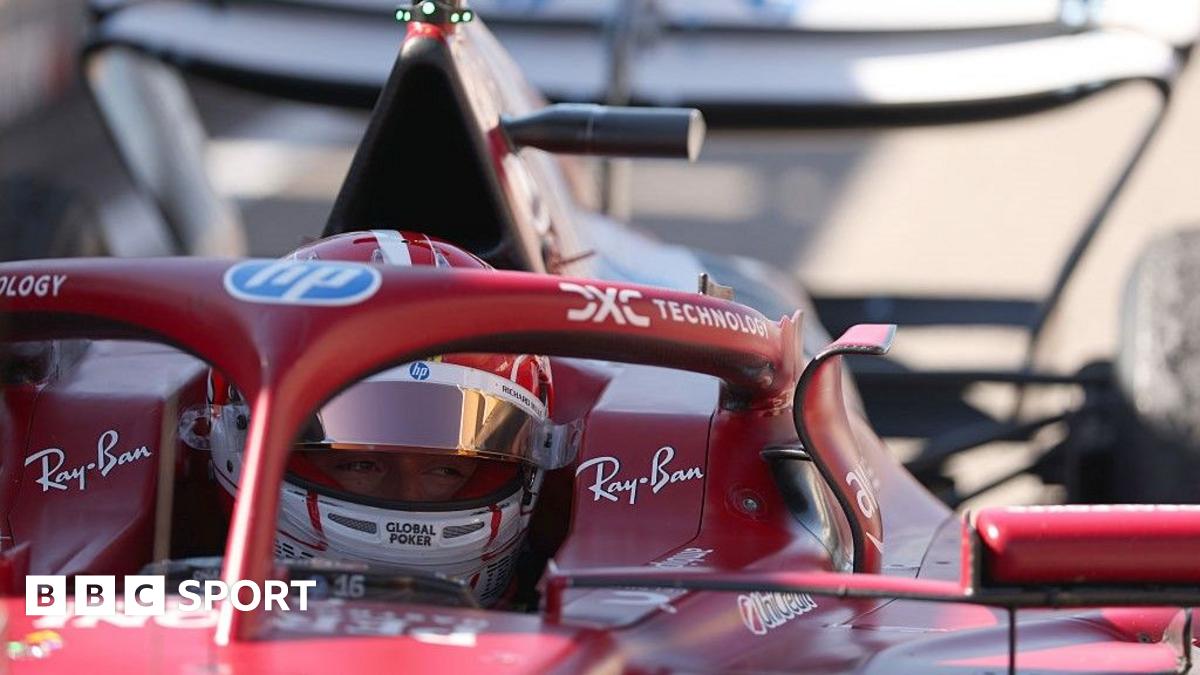
The governing body, the FIA, made the halo mandatory across all 'formula' series in 2018 after it was first trialled two years earlier in 2016. There was much criticism when the halo was first introduced, but its effectiveness has been demonstrated repeatedly in the years since.
When the halo has already done its job
Several high-profile incidents have shown exactly why the device exists. At the 2025 US Grand Prix sprint race, Lewis Hamilton was protected when a piece of debris flew towards him during Turn One after a four-car collision. "The piece of debris skimmed the halo and flew over Hamilton's head," the BBC reported.
The most famous example came at the 2020 Bahrain Grand Prix, where Romain Grosjean survived a near-fatal crash. His car was split in two and set on fire after a collision with the barriers, but the halo took the brunt of the impact and he escaped with only minor injuries.
At the 2022 British Grand Prix, Zhou Guanyu was protected in a high-speed crash that flipped his car several times at almost 200mph before it smashed into a grandstand barrier on the opening lap at Silverstone. He was declared uninjured after a check-up at the medical centre.
Why Formula 1 introduced the halo
Formula 1 began taking driver safety more seriously following a series of fatal accidents. The deaths of Henry Surtees in a Formula 2 race in 2009, Jules Bianchi at the 2014 Japanese Grand Prix, and Justin Wilson at an IndyCar event in 2015 all heightened concern.
Bianchi died after suffering severe head injuries at Suzuka, where his car crashed into a recovery vehicle during the rain-hit race. He was the first F1 driver to die from injuries sustained in a grand prix since Brazilian triple world champion Ayrton Senna was killed at the San Marino Grand Prix at Imola in 1994.
With those tragedies as the backdrop, the halo was first trialled in 2016 before becoming compulsory two years later — a decision that has since been credited with saving multiple lives at the highest level of motorsport.