Dussehra 2026 falls on October 20: Dates, rituals and the meaning behind Vijayadashami
As autumn settles over Indian towns and villages, Dussehra arrives with temple chanting, marigold-decked streets and family stories that have been retold for centuries. Also called Vijayadashami or Dasara, the festival is a reminder that good can rise against darkness and that courage can overturn injustice.
Dussehra 2026: Key dates and ritual timings
Dussehra falls on Tuesday, October 20, 2026 for most of India. In Bengal and Kerala, celebrations spill into Wednesday, October 21. The date shifts because it depends on the Hindu lunar calendar and the precise timing of Dashami Tithi, the tenth lunar day.
In New Delhi, Dashami Tithi begins at 12:50 pm on October 20 and ends at 2:11 pm the next day. The Vijay Muhurat, the window many devotees choose for rituals, falls between 1:59 pm and 2:45 pm on October 20. Local almanacs give the most accurate timings for each area.
The roots and meaning of Dussehra
The name itself tells the story: "dasha" means ten and "hara" means defeat, pointing to the downfall of Ravana. In the Ramayana, the ten-headed king kidnaps Sita, and Rama, driven by love and principle, brings him to justice. Righteousness wins; arrogance and abuse of strength lose.
The Mahabharata adds another layer. Arjuna, the hero in hiding, retrieves his weapons from a Shami tree on this day and defeats his foes. That is why people in some villages worship the Shami tree or exchange its leaves as lucky tokens.
Why Dussehra follows Navratri
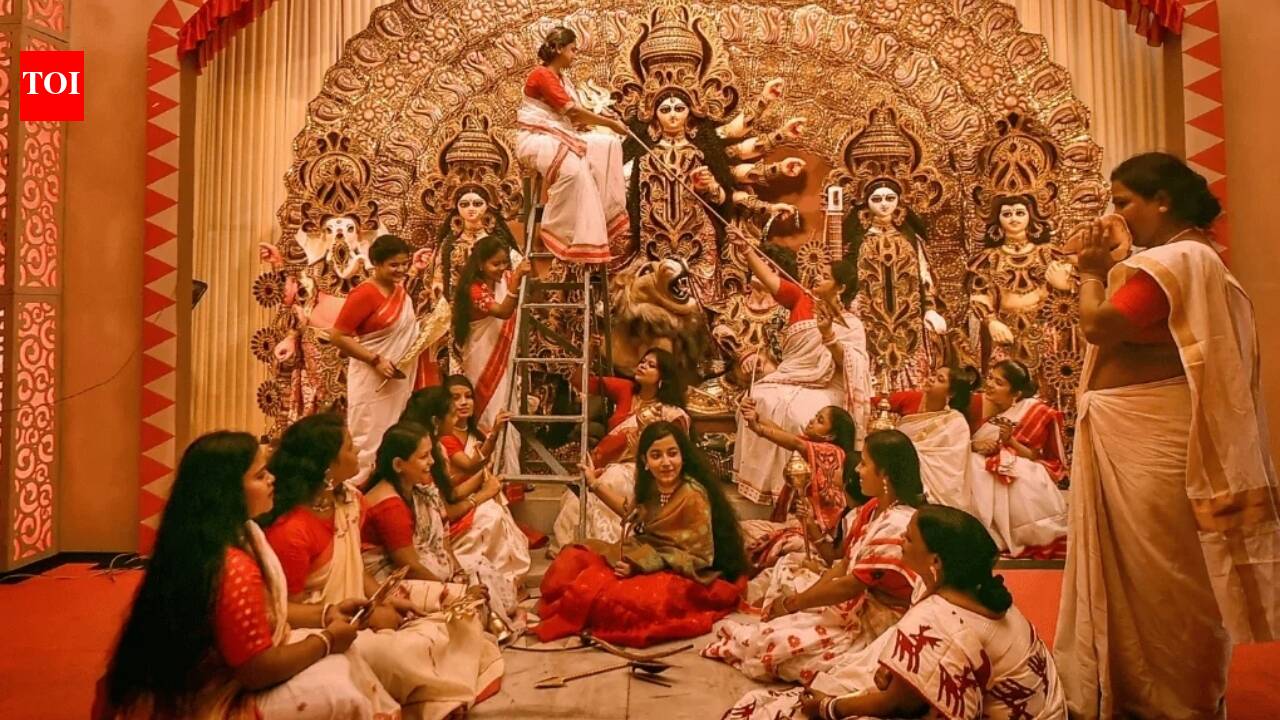
Dussehra is the finale of nine days of Navratri, when devotees honour the many forms of Goddess Durga. In Bengal, Vijayadashami comes right after the last night of Durga Puja, when the idol immersion, or visarjan, sends the goddess back to the waters in an emotional farewell.
How India celebrates Dussehra
In Delhi and much of north India, crowds gather at open grounds for Ramlila performances, ending with the burning of effigies of Ravana, Meghnad and Kumbhakarna. In Mysuru, Karnataka, palaces glow with lights, elephants parade through royal streets and families gather for the Jamboo Savari procession.
In parts of southern India, Vijayadashami is a day for learning, as young children are introduced to reading and writing in a ritual called Vidyarambham. In the Himalayan hills, Kullu Dussehra features colourful processions of local deities. In Maharashtra, families exchange Apta tree leaves as symbols of prosperity.
In Bengal, the festival closes with music, hugs and idols carried to riverbanks. Women in red and white smear vermilion on each other's faces in the sindoor khela ritual, a heartfelt farewell to the goddess.
Rituals and new beginnings
Across the country, people worship Lord Rama or Goddess Durga, decorate homes with marigolds and gather for prayers. Special pujas such as the Shami or Aparajita puja are performed during auspicious afternoon moments. Dussehra is also seen as a time for fresh starts, with people buying tools for their trade, worshipping work instruments or beginning a new phase of study or skill training.
The enduring message
Beneath the festivities, Dussehra asks people to look inward and push back against ego. Real courage, the festival suggests, is not loud; it stands up against wrong even when that is hard. As life grows faster and more complicated, the festival's lessons of hope, resilience and standing for what is right remain as relevant as ever.