India's Kaveri Dry Engine Surpasses Target With 48.5 kN Thrust in Russian Flight Trials
India's homegrown Kaveri dry engine has completed a vital round of high-altitude and flight trials in Russia, delivering a peak dry thrust of 48.5 kilonewtons (kN)—comfortably exceeding its intended baseline target of roughly 46 kN.
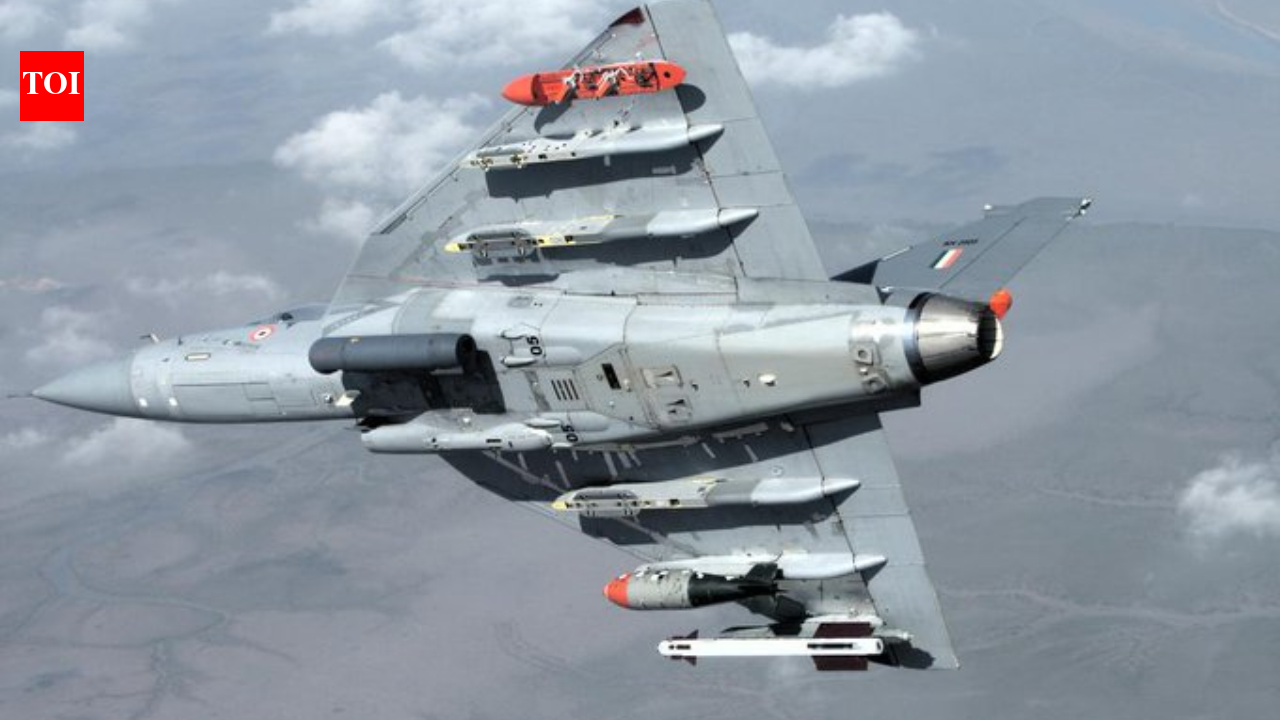
Developed by the Gas Turbine Research Establishment (GTRE), an arm of the Defence Research and Development Organisation (DRDO), the non-afterburning powerplant is designed to propel Ghatak, India's planned stealth unmanned combat aerial vehicle (UCAV). A dry engine operates without an afterburner, generating pure dry thrust suited for stealth configurations and platforms that do not mandate rapid supersonic bursts.
Rigorous Testing in Russia
The extensive trials were carried out across two premier Russian aviation research institutions: the Central Institute of Aviation Motors (CIAM) and the Gromov Flight Research Institute.
- High-Altitude Simulation: At CIAM, the engine was evaluated in test cells simulating extreme high-altitude conditions, where ambient air pressures and temperatures drop drastically.
- Flying Testbed Evaluations: At the Gromov Flight Research Institute, the Kaveri derivative was mounted onto a modified Ilyushin Il-76 flying testbed, replacing one of its four standard engines to assess real-flight aerodynamic performance across varying Mach numbers and thrust demands.
The resulting 48.5 kN measurement provides a comfortable performance margin. The data will now be reviewed by the Centre for Military Airworthiness and Certification (CEMILAC) ahead of granting formal airworthiness clearance and subsequent airframe integration.
From Tejas Stumbling Block to Stealth Drone Powerplant
The Kaveri programme originally commenced in 1986, receiving formal government sanction in 1989 with the ambition of powering the Light Combat Aircraft (LCA) Tejas by 1996. However, developing an indigenous low-bypass turbofan from scratch proved vastly complex. The project encountered persistent challenges with high-temperature single-crystal materials, turbine blade longevity, compressor efficiency, and weight overruns.
While the original afterburning engine aimed for 81 kN of wet thrust, it managed only around 70 kN while exceeding its 1,100 kg weight budget. The shortfall forced the LCA programme to adopt imported engines.
Rather than abandoning the investment, DRDO repurposed the core into a dry derivative. Over decades of development, the programme has accumulated more than 3,200 hours of testing, created a fully certified indigenous Full Authority Digital Engine Control (FADEC) system, and established local metallurgical and manufacturing capabilities. The latest trial results mark a pivotal step toward translating decades of research into a combat-ready powerplant for India's future stealth unmanned platforms.