How F1 psychologists help drivers stay sharp through the season’s highs and lows
The mental game behind Formula 1 performance
Formula 1 drivers operate under relentless pressure. Alongside the physical demands of driving at high speed, they must manage changing form, difficult results and the emotional swings that come with a long championship season.
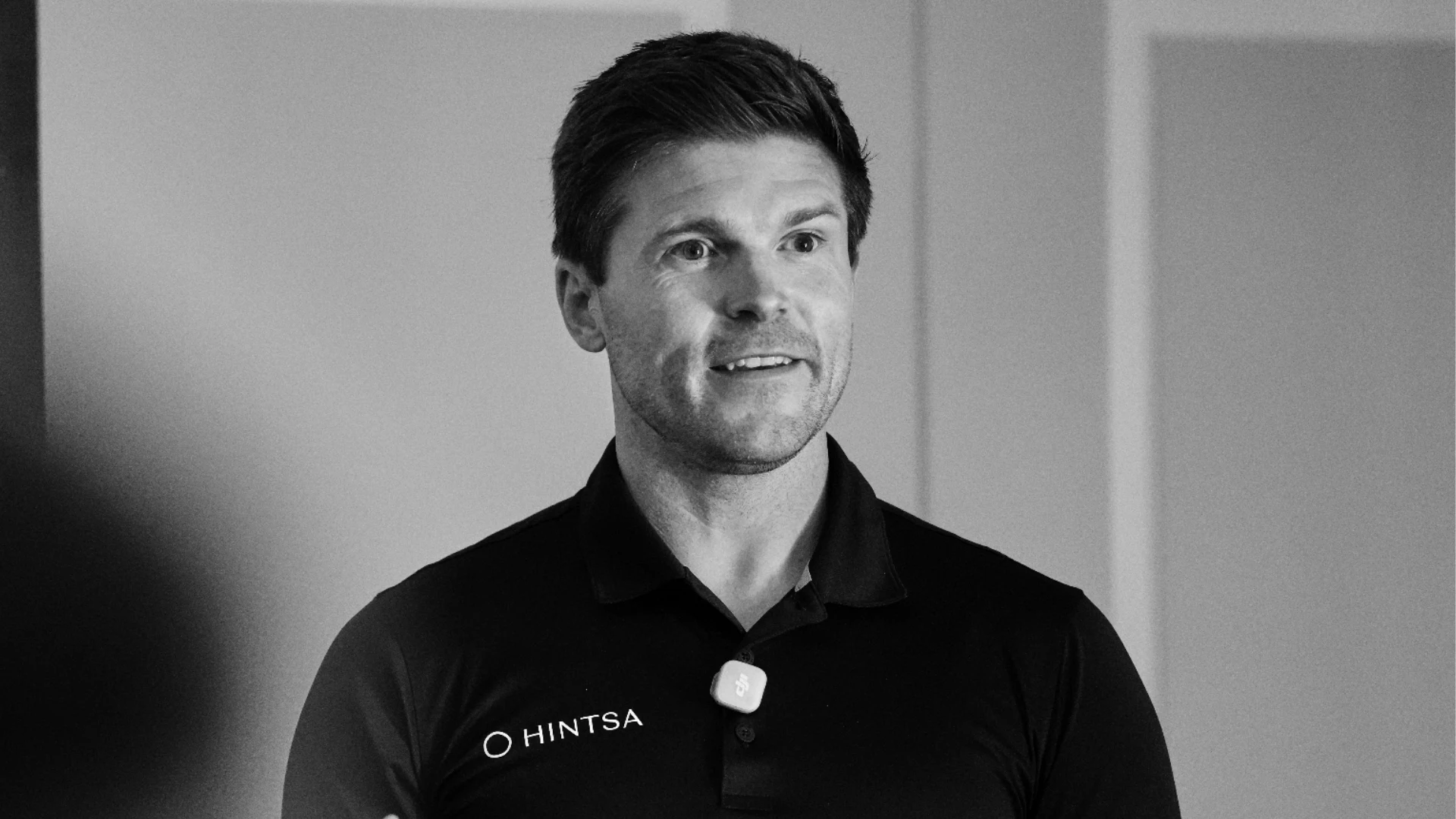
To explore how drivers can perform at their best, Formula 1 presented a series of hypothetical scenarios to Hintsa Performance psychologist Robbie Anderson. The focus was on how psychological techniques can help drivers navigate both success and adversity.
Managing the highs and lows
A season can bring victories, frustrating weekends and periods when a driver feels unable to reproduce their best form. Psychological support can help competitors respond to those moments with greater perspective rather than allowing one result to define their confidence or preparation for the next race.
The approach is not limited to dealing with setbacks. Maintaining focus after a strong performance is equally important, as drivers must avoid becoming distracted by success and continue to follow the routines that support consistent execution.
Lessons that extend beyond the cockpit
The scenarios discussed by Anderson also offer practical lessons for people outside Formula 1. Preparing for demanding situations, recognising emotional reactions and concentrating on controllable factors can help individuals perform more effectively in everyday life.
For elite drivers, the objective is to extract maximum performance without losing sight of the wider season. That balance—responding constructively to pressure while preparing for the next challenge—is a central part of the psychological work behind Formula 1.