Manchester City Found Guilty on Over 100 Premier League Financial Charges
Manchester City have been found guilty on almost all of more than 100 Premier League financial charges following a landmark ruling by an independent disciplinary commission, bringing a dramatic culmination to the most consequential financial scandal in the history of English football.
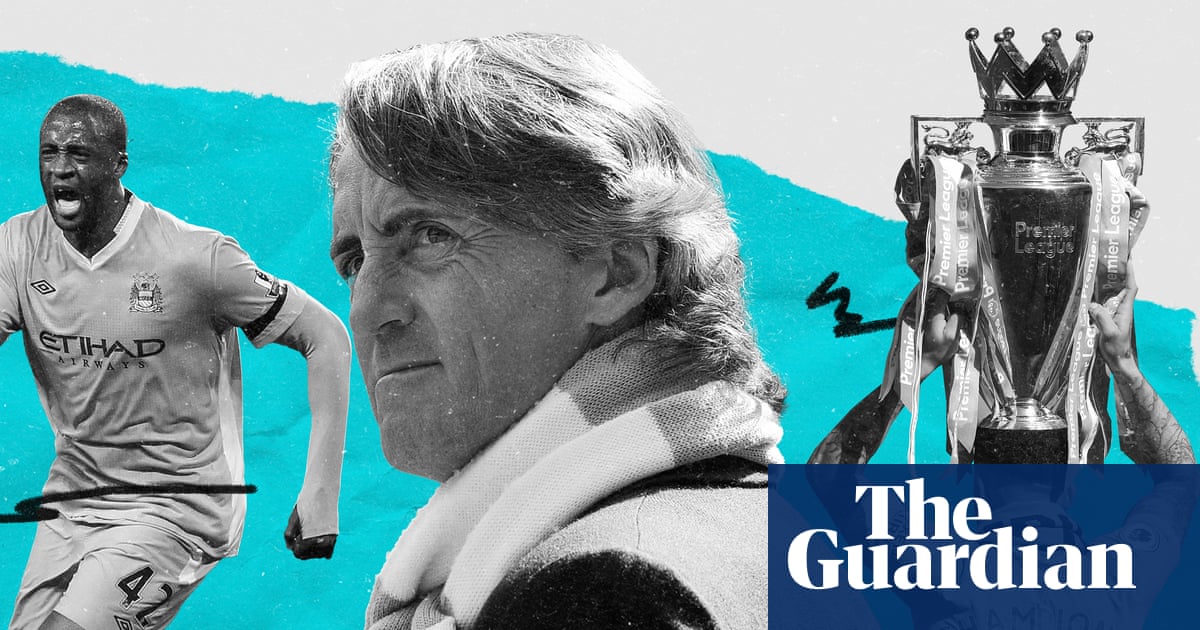
The commission’s verdict follows years of forensic legal battles and a mammoth hearing held in late 2024. The findings confirm that the reigning English champions committed systematic breaches of financial regulations across more than a decade of unprecedented domestic and European dominance.
The Scope of the Breaches
The charges upheld against Manchester City cover an extensive array of financial misconduct spanning from the 2009–10 campaign through to the 2022–23 season. Key findings established that the club:
- Failed to provide accurate and truthful financial information to the Premier League regarding revenue, sponsorships, and operational costs across nine consecutive seasons (2009–10 to 2017–18).
- Failed to disclose full remuneration details in their managerial contracts with Roberto Mancini between 2009–10 and 2012–13.
- Failed to include complete payment and contract details for player wages between 2010–11 and 2015–16.
- Breached UEFA Financial Fair Play (FFP) regulations from 2013–14 to 2017–18, alongside Premier League Profitability and Sustainability Rules (PSR) from 2015–16 to 2017–18.
- Consistently failed to cooperate with the Premier League’s investigation and breached requirements to act in the utmost good faith from 2018–19 to 2022–23.
Origins in the Football Leaks Exposé
The disciplinary process was originally sparked in November 2018 when German publication Der Spiegel published leaked internal emails and financial documents. The leaks revealed that the club's Abu Dhabi ownership, headed by Sheikh Mansour bin Zayed Al Nahyan and chaired by Khaldoon Al Mubarak, had funneled direct owner funding into the club disguised as independent commercial revenue from sponsors such as Etihad Airways.
The internal communications also laid bare a combative internal strategy against football authorities. In one leaked email, City’s in-house counsel, Simon Cliff, wrote that the club's leadership "would rather spend 30 million on the 50 best lawyers in the world to sue [UEFA] for the next 10 years" rather than accept financial penalties.
While UEFA initially handed City a two-year European ban in 2020—a sanction later overturned by the Court of Arbitration for Sport (CAS) on time-barring grounds—the Premier League’s independent process operated without statutory limitation periods. Despite repeated legal challenges from City’s defense team aimed at delaying proceedings, the independent panel reached its definitive guilty verdict on the vast majority of charges.
An Unprecedented Turning Point for English Football
The ruling casts an indelible shadow over the golden era of City’s modern history, during which managers Roberto Mancini, Manuel Pellegrini, and Pep Guardiola delivered multiple domestic trophies and continental silverware. Beginning with the signing of Carlos Tevez in 2009 and the iconic 2012 title sealed by Sergio Agüero, City established a benchmark of footballing dominance that now faces unprecedented regulatory fallout.