Revealed: The Facebook insider who walked out with tens of thousands of pages of Silicon Valley's darkest secrets
Frances Haugen, a former Facebook employee, secretly copied tens of thousands of pages of the company's internal documents before leaving her job in 2021 — material that exposed deep concerns about how the social media giant handled misinformation, hate speech and the impact of Instagram on teenage girls. Haugen later revealed her identity in an interview with CBS' 60 Minutes, setting off a major global debate over Facebook's responsibility for the harm linked to its platforms.
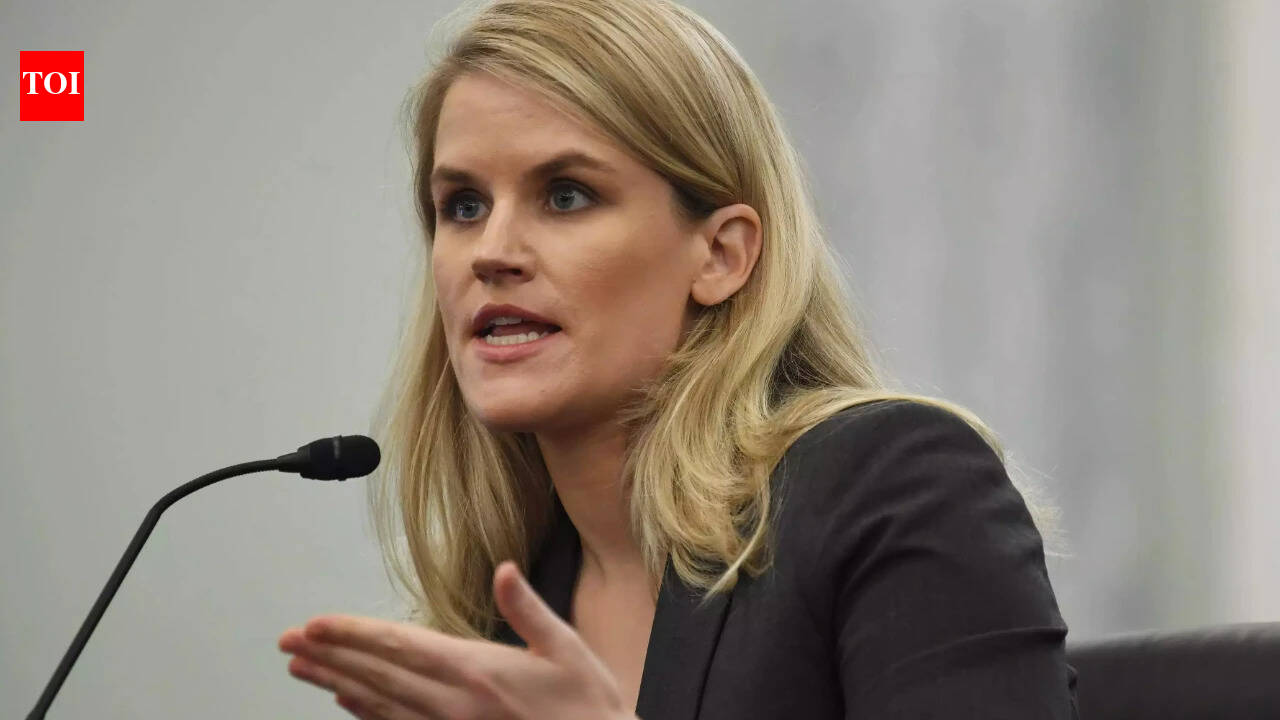
Who was Frances Haugen — and why did she copy Facebook's files?
According to a TIME report published in October 2021, Haugen was a data scientist who worked as a product manager on Facebook's Civic Integrity team. She joined the company in June 2019, hoping to help it tackle misinformation — a mission born of personal experience, after she lost a friend to online conspiracy theories. Before Facebook, she had already built a career at other major technology firms, including Google and Pinterest.
By April 2021, Haugen had resigned and taken a vast collection of internal documents with her. As reported by TIME, she submitted tens of thousands of documents to the US Securities and Exchange Commission and to Congress, and became the main source behind The Wall Street Journal's explosive series known as the Facebook Files.
Haugen told 60 Minutes correspondent Scott Pelley that Facebook was "substantially worse" than other platforms she had seen when it came to putting user engagement ahead of product safety.
"Facebook has realized that if they change the algorithm to be safer, people will spend less time on the site, they'll click on less ads, they'll make less money," Haugen told 60 Minutes.
What did the Facebook Files reveal?
The leaked documents raised serious questions about Facebook's decisions on misinformation, political content and Instagram's effect on young users. Haugen alleged that Facebook rolled back some safeguards against misinformation after the 2020 US presidential election — and then dissolved its Civic Integrity team entirely, a decision she believed helped create conditions that contributed to the January 6, 2021, attack on the US Capitol.
"They basically said, 'Oh good, we made it through the election. There wasn't riots. We can get rid of Civic Integrity now,'" she said. "Fast forward a couple months, we got the insurrection."
Haugen said Facebook's decision to reduce or switch off some safeguards after the election felt like a betrayal. "That really feels like a betrayal of democracy to me," she added.
Instagram and teenage girls
Facebook's own internal research examined Instagram's effects on teenage girls, and Haugen said the findings showed the platform could worsen body-image concerns among some young users.
"It actually makes them use the app more. And so, they end up in this feedback cycle where they hate their bodies more and more," Haugen said.
Moderation beyond English
The documents also raised alarms about Facebook's ability to moderate harmful content in languages beyond English and French. Haugen argued that the company simply did not invest enough in safety systems for all the regions where it operates.
"Every time Facebook expands to a new one of these linguistic areas, it costs just as much—if not more—to make safety systems for that language as it did to make English or French," she said. "The economics just doesn't make sense for Facebook to be safe in a lot of these parts of the world."
How did Facebook respond?
Facebook firmly rejected Haugen's claim that it encouraged harmful content and failed to act. Lena Pietsch, the company's director of policy communications, said its teams had to balance users' right to express themselves with the need to keep the platform safe.
"We continue to make significant improvements to tackle the spread of misinformation and harmful content. To suggest we encourage bad content and do nothing is just not true," Pietsch said.
Nick Clegg, then Facebook's vice president of global affairs, also rejected claims that the company bore responsibility for the January 6 violence, saying responsibility lay with those who carried out and encouraged the attack.
Haugen, for her part, said she did not intend to target Facebook's founder personally.
"I have a lot of empathy for Mark," she told Pelley. "But he has allowed choices to be made where the side effects of those choices are that hateful, polarizing content gets more distribution and more reach."
After the interview aired, Haugen wrote on Twitter that she believed "we can do better." "Together we can create social media that brings out the best in us. We solve problems together – we don't solve them alone," she tweeted.