Screens tell the story, but where does a child’s imagination go?
Convenience vs imagination in a screen-first childhood
Once upon a time meant a parent at bedtime, in the back seat of a car or around a family gathering, building a story together. The tale changed each time it was told, children interrupted with questions, new characters were invented on the spot and endings were sometimes forgotten and remade. That shared, incomplete telling left a gap for the child to fill in.
As a father of a young child, Wippi co-founder Rishabh Singhi says the trade-off today is clear. Handing a phone or tablet occupies a child in seconds with an endless stream of visual stories and games. The convenience is real, but so is what may be lost. Imagination, he writes, needs space. When a child hears about a castle or a dragon, the image first has to be built in their mind. When a story pauses before its ending, the child gets to decide what happens next. It is in that little gap between what is heard and what is imagined that possibilities are created and the idea that a story can have more than one ending is learned.
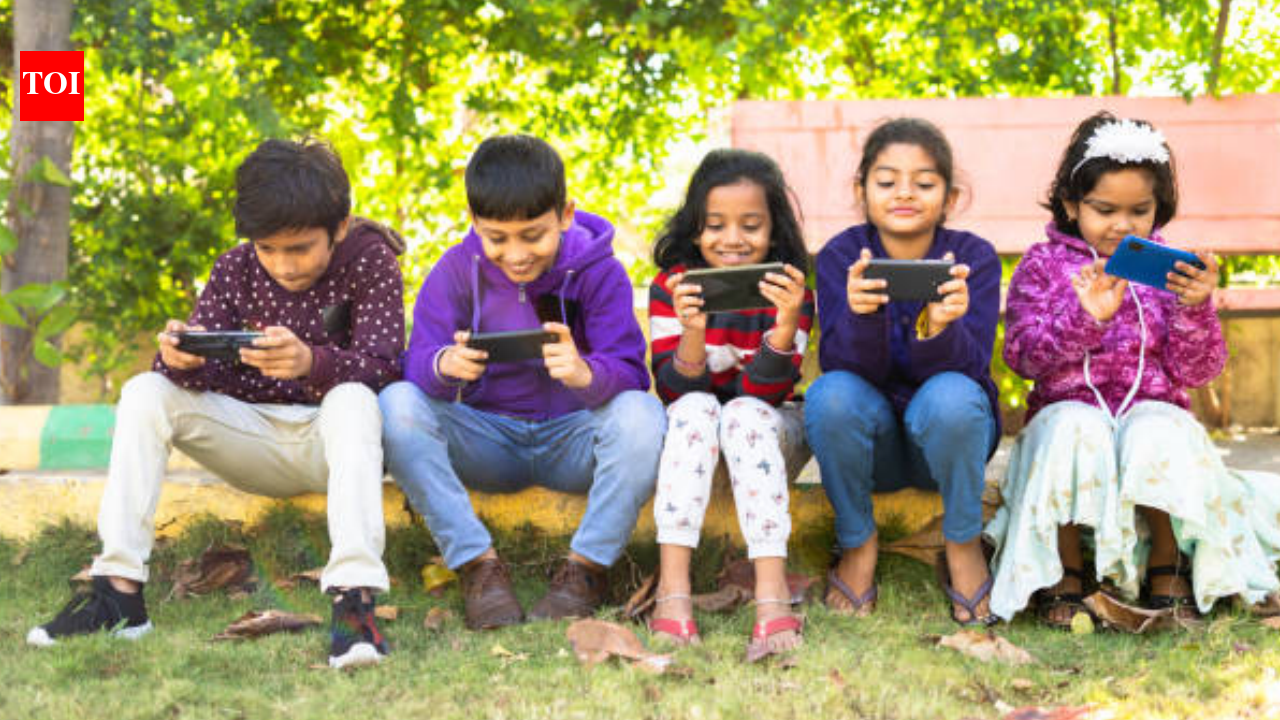
From predetermined content to responsive experiences
Technology has made entertainment immediate, visual and endlessly available from a very young age. Singhi acknowledges the shift and points to an opportunity. Artificial intelligence is beginning to change how technology interacts with us, creating a possibility for experiences that are fluid and responsive rather than entirely predetermined.
A story can adapt to a child’s interests, a character can converse, and a familiar tale can open into a new adventure. In that model technology becomes a medium through which imagination unfolds instead of a destination for attention.
That reframing also changes the screen-time debate. The conversation has often focused on duration, how many minutes a child spends on a device. Singhi argues quality deserves equal attention. Two experiences can take the same amount of time and leave very different things behind: one may simply fill an hour, another may inspire drawing, inventing or telling stories long after the device is put away.
What parents can do differently
The piece is not a call for a technology-free childhood. It is a call for intentionality. Singhi suggests making space for activities where the child supplies the imagination: reading aloud, pretend play, inventing stories together, listening to audiobooks, creating characters and worlds of their own.
He also urges parents to look beyond the traditional screen vs passive screen-time binary. As technology evolves, experiences will sit somewhere between passive entertainment and active play. Products and platforms that encourage conversation, creativity, movement, exploration and independent thinking are worth prioritising.
Parental presence matters. Joining the experience for a few minutes, following the child’s lead and seeing where imagination takes them can turn a story into a drawing, a character into a game, and a question into a conversation that continues through the day.
Towards an integrated childhood ecosystem
Singhi describes an emerging ecosystem that connects physical play, storytelling, audio, AI, characters, books and learning. A child might meet a character in a book, hear its story through audio, play with a physical version and then return to that world through an interactive conversation. The boundaries between toy, story and digital experience become less rigid.
He points to Wippi as an exploration of one part of that shift: beloved characters moving beyond the page to become conversational while helping reduce passive screen time. The broader opportunity, he writes, is to build a childhood where technology adds new dimensions to what children have always loved: stories, play, curiosity, imagination and the freedom to create their own worlds.
The question for the next generation, Singhi concludes, is not how much technology children will use, but what technology will help them become.