What is sandbagging in F1? The art of hiding a car's true pace explained
Sandbagging explained: F1's oldest trick for hiding true pace
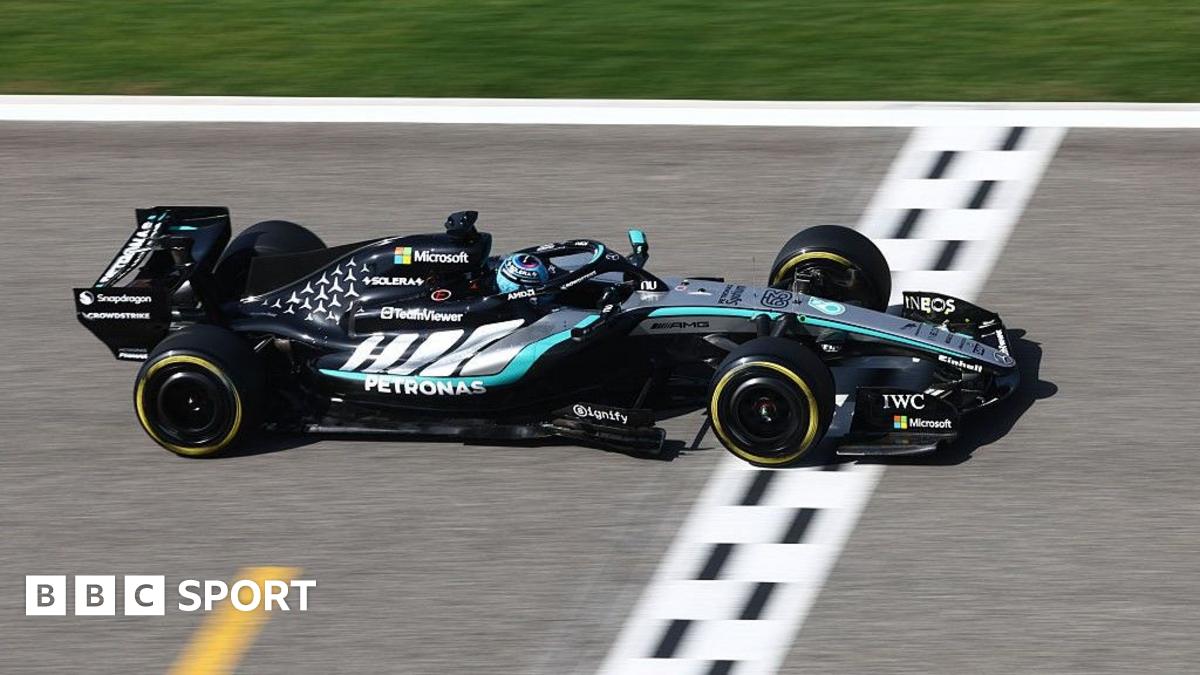
Few words get thrown around the Formula 1 paddock more in the opening weeks of a season than sandbagging. Used by teams, drivers, media and fans alike during pre-season testing, it has become shorthand for a suspicion that the lap times on the timing screens do not tell the whole story.
But what does the term actually mean? In simple terms, sandbagging is when a driver or team intentionally underperforms in their car by slowing it down. The true performance of the machine is disguised as it runs below its maximum potential — the name evokes the image of physical sandbags weighing a vehicle down.
There are two main reasons a team might choose to sandbag. The first is to lull rivals into a false sense of security by producing inaccurate data during testing, before unleashing the car's full potential on the first race weekend. The second is to avoid drawing unwanted attention towards the vehicle, preventing competitors from copying successful components so early in the season.
With new regulations coming into force from the 2026 season, the incentive to keep improvements and changes hidden from rivals is stronger than ever. As a result, a team's maximum performance will most likely only be revealed in qualifying for the Australian Grand Prix this year.
How do teams hide their true pace?
Sandbagging can be achieved in a number of ways:
- Extra fuel: cars can be loaded with more fuel than necessary, which weighs them down and makes them slower.
- Harder tyres: sets of hard tyres can be used during testing, which tend to be the slowest compounds in the range available.
- Lifting off: teams can tell their driver to lift off at certain points on the circuit to scrub speed and mask the car's potential.
Is sandbagging illegal?
No. Sandbagging is not an illegal practice, and it tends to be displayed to some extent by most teams across the season. Indeed, it is a familiar pattern on race weekends themselves: a driver may underperform throughout the three practice sessions, only to use the car's maximum potential in qualifying to put themselves at the top of the start line for the race.
The mystery, of course, is part of the appeal — right up until the moment qualifying lights go out, no one can be entirely sure who was truly holding back.
This article is based on reporting from BBC Sport's Ask Me Anything team.