F1 Drivers Divided on Fun Factor of New 2026 Cars: Verstappen Calls Them 'Not Formula 1'
F1 Drivers Divided on Fun Factor of New 2026 Cars: Verstappen Calls Them 'Not Formula 1'
The 2026 Formula 1 cars, with their major power system overhaul increasing electrical output to nearly 50%, have sparked debate among drivers. Four-time champion Max Verstappen delivered a stark verdict after Bahrain testing: 'As a pure driver, I enjoy driving flat out. And at the moment, you cannot drive like that. For me, that’s just not Formula 1.'
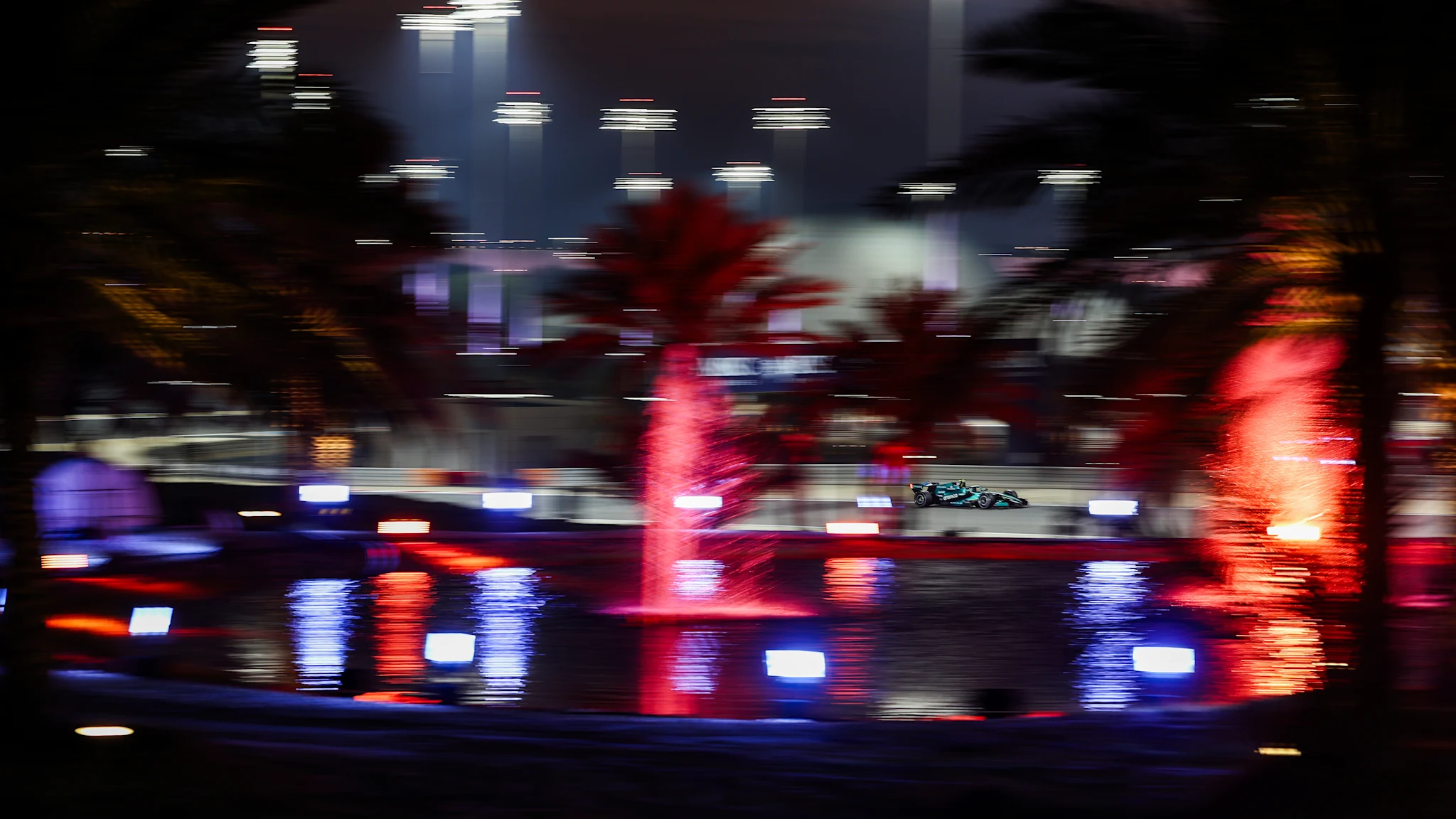
Verstappen's complaints center on the need to manage energy, requiring slower speeds through corners like Bahrain's Turn 12 to save for straights—up to 50 km/h slower. Fernando Alonso humorously illustrated: 'To do (Turns) 10-12 at 260 instead of 200 … you can drive the car. The chef can drive the car in 10-12 at that speed!' Lewis Hamilton echoed the frustration over complexity: 'None of the fans are going to understand it, I don’t think. It’s so complex... You need a degree to fully understand it all.'
Explanations of features like 'overtake mode' added to the confusion. F1 TV's Anthony Davidson described it philosophically: 'You don’t use it; it just has the ability to go faster in a straight line... You’re just allowed to do it in the same way you were allowed to go faster when you pressed DRS.' This drew comparisons to metaphysics rather than motorsport.
Not all drivers share the pessimism. Reigning champion Lando Norris acknowledged the car 'doesn’t feel as pretty and beautiful to drive' but said: 'Any driver can go and find something else to do; it’s not like he has to be here.' Nico Hulkenberg agreed: 'You just start again, you know? You relearn, you adapt.' Racing Bulls' Liam Lawson hesitated with 'Ummm...' when asked if the cars are fun.
These regulations run through 2030, promising years of adaptation. As Hamilton warned, the complexity may alienate fans, but drivers like Norris see it as part of evolution. The divide highlights F1's shift from raw speed to strategic energy management, potentially reshaping racing dynamics.