What do the new lights on F1 cars mean?
Understanding the New Lights on F1 Cars
The 2026 Formula 1 season brings a raft of technical innovations and changes, with one of the most noticeable being the new rear and side lights on each car. These lights are not just aesthetically different; they serve critical functions related to safety and energy management.
Rear Impact Structure Light
The Rear Impact Structure (RIS) light is an oval-shaped light at the rear of the car, typically appearing red. It indicates the energy levels in the power unit, showing whether the MGU-K is delivering less power, has stopped, or is recharging. This information helps drivers behind understand their competitor's energy status.
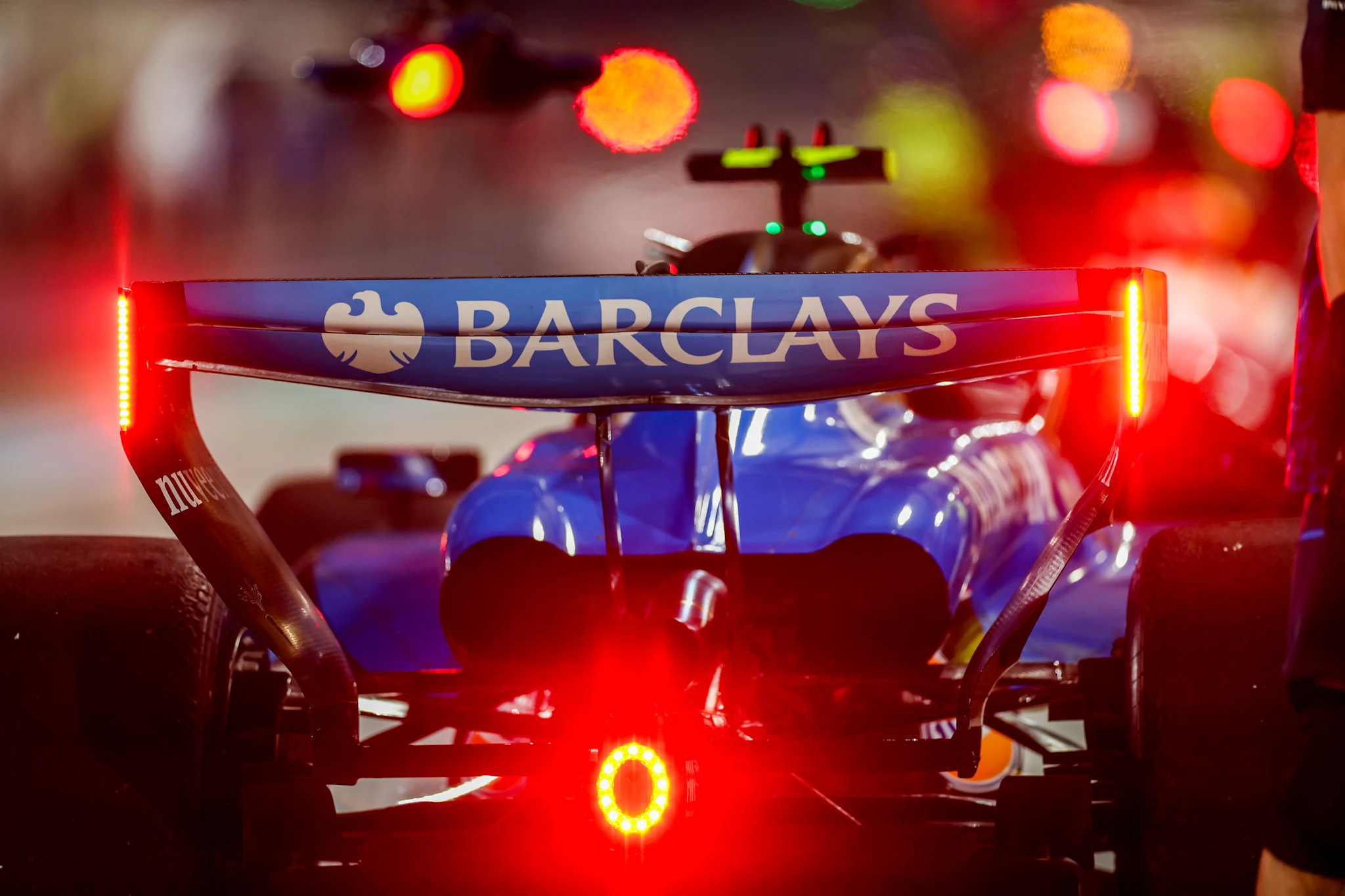
Nikolas Tombazis, FIA Single Seater Director, highlighted that the new RIS design allows for color changes, enabling different messages to be conveyed. For example, it turns blue if a driver doesn't have a full super license. The rear wing end plate lights mirror the RIS flashing pattern and remain red.
Lateral Safety Lights
The new lateral safety lights on the mirrors are visible from the side and front. They activate in case of a spin or accident, providing an extra safety signal. These amber-colored lights indicate when a car has stopped or is traveling below 20kph. They were proposed by drivers to improve visibility, especially in wet or misty conditions.
Tombazis noted that the lateral lights address a safety concern where a spun car might not be visible from behind due to weather conditions. The lights enhance safety by making stopped cars more visible from all angles.