From a Homeless Shelter in Iowa to an NBA Title: Harrison Barnes Credits Mother Shirley for Everything
Success in the NBA is usually told through talent, hard work and the big moments under the lights. Harrison Barnes' story begins somewhere else entirely: in a homeless shelter in Ames, Iowa, with a three-month-old baby and a mother who refused to give up.
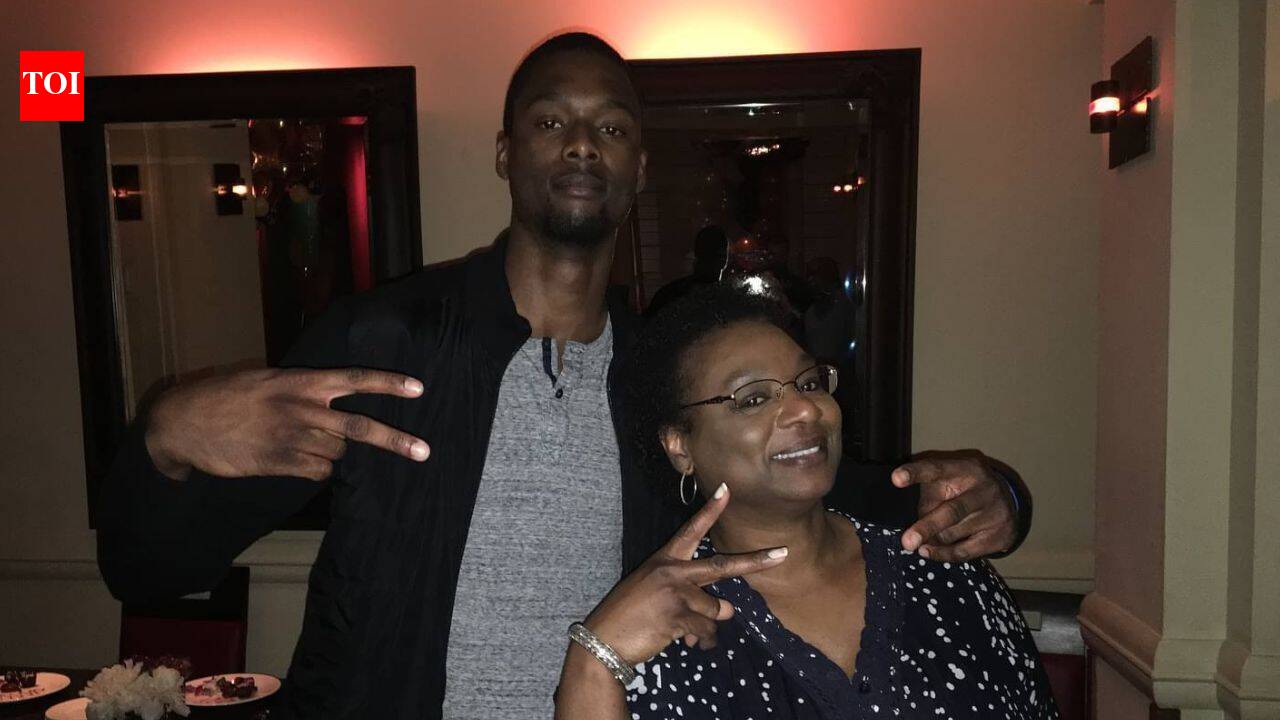
Two weeks before the move, the answer was no
Shirley Barnes was 26 when she prepared to welcome Harrison in 1991. She had hoped to build a stable home, but money was tight. With Harrison three months old, she was making arrangements to move into public housing. Two weeks before the planned move, officials told her she did not qualify.
With few resources left, she took her baby to a shelter in Ames, Iowa.
"It was my first time being in a shelter," Shirley said.
She recalled having to leave at certain times of the day and sharing showers with other residents. The experience was isolating, but she rejected the idea of being pitied.
"Sitting in that shelter I felt isolated, but I didn't want pity. My faith never wavered, I just kept praying, believing, and begging God to intercede on my behalf and help give us a chance."
The family eventually moved into Section 8 housing in Ames, and Shirley found work at Iowa State University. Money stayed tight. They searched between car seats for petrol money, and basketball registration fees piled on the pressure. Harrison was too young to remember the shelter, but he grew up knowing exactly how hard his mother worked to give him and his younger sister, Jourdan-Ashle, a loving home.
Rebounding, instructional tapes and a camcorder
Shirley never played basketball. That did not stop her from spending hours rebounding for her son. She bought instructional videos to help him improve, and from around seventh grade she started filming his games. The family would watch the footage together, even when Shirley was exhausted from work.
"Growing up in a single home, income is low," Barnes said. "She was working, she was tired, but she put all of that on the side to always be there to support me, whether I was in seventh grade, high school, at North Carolina or in the NBA."
Basketball was not cheap, and the household had bills to pay. When Harrison was in fifth grade he took a job with a local farmer and began saving, eventually building up $1,000. Shirley first told him to keep the money. Eventually, the bills forced her to ask him to contribute.
"Money was so tight that we were looking for pennies between the seats in the car just to make ends meet," she said.
The payoff: a top recruit, North Carolina and a championship in 2015
Barnes grew into a top high school prospect, played for the University of North Carolina and was selected seventh overall by the Golden State Warriors in the 2012 NBA Draft. In 2015, he won an NBA championship with the Warriors. He has always traced part of that success back to the woman who kept him on the court in the first place.
'That's why I do a lot of charitable work'
Shirley Barnes did not stop giving once her own children were grown. She founded Suited For Work Clothing Closet, which provides free clothing and accessories to unemployed people preparing for job interviews. Harrison and Jourdan-Ashle helped organise the donations, and the experience stayed with Harrison.
"It really made an impression on me," Barnes said. "That's why now I do a lot of non-profit and charitable work because I saw the sacrifice and giving mentality that she had [at] an early age."
In September 2018, the Mavericks and Barnes contributed $100,000 to Helping Hands for Single Moms Dallas. The donation was announced at a "My Mom, My Hero" event honouring Shirley and other mothers raising children while working to build stable homes. The programme aimed to help single mothers in North Texas with expenses and barriers that could affect their education and daily lives.
A message for single mothers: 'This will pass'
At the 2018 event, Shirley offered advice to other single mothers facing similarly difficult circumstances.
"Times are tough, but this will pass. Never waiver. You will make it."
She encouraged mothers to build a network of people who could help them through hard periods.
"Surround yourself with a circle of support and a network. A village," she said.
Barnes said marriage helped him understand what his mother had taken on as a single parent.
"My mom didn't complain, even when she was tired. I am sure there were days she wished she could have raised my sister and I with somebody. But she gave us one of the very best home… probably the best home that we could ever imagine," he said.
What stayed with him most was how his mother made sure her children never felt short of anything that mattered.
"We never felt like we were unloved. We never felt like we didn't have support."
That was the foundation Shirley wanted to give her children, regardless of the family's finances. At the Mavericks event, she received an award recognising her commitment to her family.
The shelter never disappeared from the story
Barnes' championship ring will remain part of his career record. But his mother's influence began long before the NBA. The experience of homelessness became part of a wider story about persistence, support and helping others — of a woman who kept working when she was tired, made sure her children felt loved and kept giving back to her community.
The little boy she once carried into a homeless shelter grew into an NBA player who uses his platform to support other families. Honouring his mother was never only about recognising her sacrifices. It was about carrying her values forward.